


For centuries, women have turned to natural remedies for their intimate health needs. Among these, alum — known in Arabic as “Shabba” — holds a prominent place. This crystalline compound, often found as a fine white powder, has been traditionally used for various purposes, including vaginal care. But what exactly are the benefits of alum for vaginal health, and are these claims supported by modern understanding?
This article dives deep into the potential uses of alum, exploring its historical applications and examining its purported advantages for the vagina. We also highlight critical precautions you must understand before considering its use.
Table of Contents
- What Exactly is Alum?
- Exploring the Benefits of Alum for Vaginal Health
- Important Precautions Before Using Alum for Vaginal Care
- Conclusion
What Exactly is Alum?
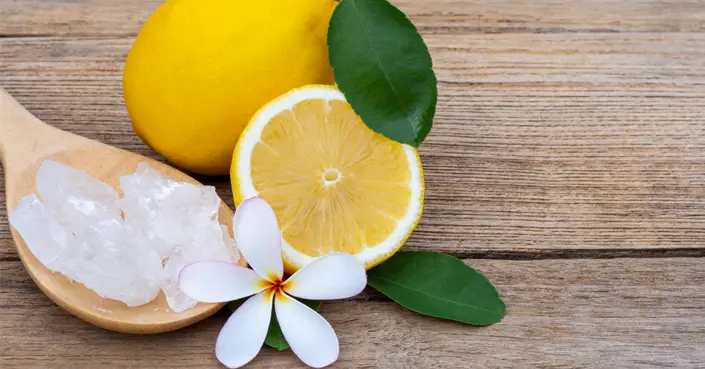
Alum refers to a group of chemical compounds, typically hydrated double sulfates, that are crystalline in form. While naturally occurring as crystals, you commonly find alum sold as a fine white powder in herbal stores and pharmacies. Beyond its traditional use, industries often utilize alum for purifying water, in cosmetics, and even in certain health applications.
Historically, people recognized alum for its diverse properties, including its ability to act as an antiseptic and an astringent. These characteristics form the basis of many of its traditional applications, particularly in personal care.
Exploring the Benefits of Alum for Vaginal Health
Many traditional practices and anecdotal accounts praise alum for its perceived benefits concerning vaginal health. Here’s a closer look at some of the most commonly cited advantages:
Antibacterial Action
Alum possesses natural antibacterial properties. This makes it a potential agent for protecting the vagina from various bacterial infections. By inhibiting bacterial growth, it may help maintain a healthier microbial balance and reduce the risk of common vaginal discomforts.
Natural Vaginal Cleanser
Due to its antiseptic qualities, some individuals incorporate alum into traditional vaginal washes. Proponents suggest it helps to cleanse and purify the vaginal area, offering protection against infections and promoting overall hygiene. However, it’s crucial to remember that the vagina is a self-cleaning organ, and douching can disrupt its natural flora.
Rapid Effects & Natural Origin
Compared to some other remedies, users often report that alum delivers relatively quick results for its intended purposes. Furthermore, its natural mineral origin appeals to those seeking alternatives to synthetic products for their intimate care routines.
Alum’s Astringent Qualities for Vaginal Tightening
Perhaps one of the most well-known traditional uses of alum for the vagina is its astringent effect. Alum has the ability to cause tissues to contract, leading to a temporary tightening sensation. Some women use it for this purpose, often by dissolving it in a sitz bath. Advocates suggest this method offers a non-surgical alternative for temporary vaginal tightening, though scientific evidence supporting long-term efficacy or safety for this specific application is limited.
Important Precautions Before Using Alum for Vaginal Care
While traditional uses of alum for vaginal health exist, exercising caution and understanding potential risks is paramount. The vaginal environment is delicate, and improper use of any substance can lead to adverse effects. Always prioritize your health and consult with a healthcare professional before trying new remedies.
- Avoid Prolonged Use: Do not apply alum to the vagina for extended periods. Its powerful astringent effect can lead to excessive tightening, discomfort, dryness, or irritation.
- Refrain from Direct Application: Applying alum powder directly to the vagina is generally not recommended. This can cause severe irritation, burning, or allergic reactions in sensitive individuals.
- Not for Pregnant Women or Infections: Pregnant women should never use alum vaginally. Similarly, avoid using alum if you have any existing vaginal infections, irritation, or open sores, as it could worsen the condition or cause severe discomfort.
- Steer Clear of Homemade Concoctions: Do not create your own vaginal formulations by mixing alum with other substances. Unregulated mixtures can have unpredictable and potentially harmful effects on your delicate intimate areas.
- Opt for Medically Prepared Products: If you consider using alum, prioritize products that are professionally formulated and medically tested for vaginal use. Avoid homemade preparations, as they lack standardization and safety assurances.
Conclusion
Alum has a long history of traditional use, with many individuals believing in its benefits for vaginal health, particularly its antibacterial and astringent properties. However, it is crucial to approach its use with significant caution.
The delicate nature of vaginal health demands careful consideration of any remedy. While alum may offer temporary effects, potential risks like irritation, over-tightening, and disruption of natural flora are concerns. Always prioritize safety, consult with a healthcare provider for personalized advice, and opt for scientifically backed solutions or medically approved products.