


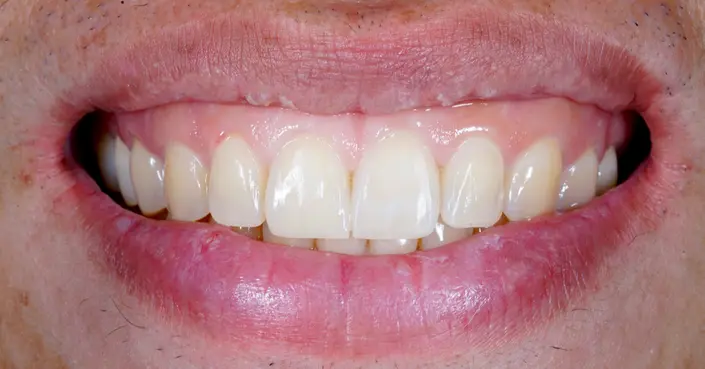
A radiant smile enhances your confidence, but for many, a “gummy smile” or excessive gingival display can be a source of self-consciousness. This common dental aesthetic concern occurs when you show more gum tissue above your upper teeth than desired when smiling. While harmless, many individuals seek solutions to achieve a more balanced and aesthetically pleasing smile.
Fortunately, modern dentistry offers a range of effective treatments to address a gummy smile. Understanding its underlying causes is the first step toward finding the right solution. This guide will explore what causes a gummy smile and outline the various options available to transform your smile.
What Exactly is a Gummy Smile?
A gummy smile, medically known as excessive gingival display, happens when a disproportionate amount of gum tissue becomes visible above the upper teeth during a natural smile. While there isn’t a universally agreed-upon measurement, typically if more than 2-3 millimeters of gum tissue is exposed, it falls into the category of a gummy smile. This aesthetic feature can vary significantly among individuals.
Common Causes of Gummy Smiles
Several factors can contribute to the appearance of a gummy smile. Often, it’s a combination of these elements rather than a single cause. Understanding the root issue is crucial for determining the most effective treatment plan.
Variations in Tooth Size and Jawbone Structure
One common reason for a gummy smile relates to how your teeth develop and the structure of your jawbone. Sometimes, the gums might cover a larger portion of the teeth, making the teeth appear shorter than their actual size. This phenomenon is often genetic and can run in families.
Furthermore, an overgrowth of the upper jawbone, known as vertical maxillary excess, can cause the gums and teeth to protrude further, leading to increased gum visibility when you smile. This structural issue requires a more comprehensive approach.
Lip Position and Movement
Your lips also play a significant role in how your smile appears. If your upper lip is naturally shorter or thinner, it might expose more gum tissue. Moreover, if the muscles controlling your upper lip are hyperactive, they can pull the lip too far upwards when you smile, revealing an excessive amount of gum.
Medication-Induced Gum Growth
Certain medications can lead to gingival hyperplasia, an abnormal overgrowth of gum tissue. This condition can significantly contribute to a gummy smile. Medications commonly associated with this side effect include some anti-seizure drugs, immunosuppressants used after organ transplants, and specific blood pressure medications. If you notice gum overgrowth after starting new medication, discuss it with your doctor. Addressing this condition promptly can prevent further dental complications.
Effective Treatments for Gummy Smiles
Fortunately, various treatments can effectively correct a gummy smile, ranging from minimally invasive procedures to surgical interventions. The best approach depends on the underlying cause and your individual needs, making a professional consultation essential.
Orthodontic Solutions and Jaw Surgery
When a gummy smile stems from issues like teeth that have erupted too far downwards or an excessively long upper jawbone, orthodontic treatment often provides a solution. Braces or clear aligners can help reposition teeth, gently moving them upwards to reduce gum exposure.
For more severe cases involving significant jawbone overgrowth, orthognathic surgery (jaw surgery) might be necessary. This procedure precisely repositions the upper jaw to achieve a harmonious balance between teeth, gums, and facial features. Your dental professional will assess if this is the right course of action for you.
Crown Lengthening Procedure
The crown lengthening procedure is a common and effective solution for gummy smiles caused by excess gum tissue covering the teeth. During this procedure, a dentist carefully removes excess gum tissue and sometimes a small amount of bone around the teeth. This re-contours the gum line, exposing more of the natural tooth structure and creating a longer, more balanced appearance.
This procedure is typically performed under local anesthesia and can dramatically improve the aesthetics of your smile by making your teeth appear longer and your gum line more even.
Botulinum Toxin (Botox) Injections
For gummy smiles caused by hyperactive upper lip muscles, botulinum toxin injections, commonly known as Botox, offer a non-surgical solution. A skilled practitioner injects a small amount of Botox into the muscles responsible for lifting the upper lip. This temporarily relaxes these muscles, preventing the lip from rising too high when you smile.
The effects of Botox typically last between three to six months, after which follow-up injections are necessary to maintain the desired result. This quick and relatively painless procedure provides a temporary but effective way to reduce gum display without surgery.
Achieving a balanced and confident smile is within reach, regardless of the cause of your gummy smile. From advanced orthodontic treatments and surgical corrections to simpler crown lengthening procedures or Botox injections, several effective options exist. Consulting with a qualified dental professional is crucial to determine the specific cause of your gummy smile and recommend the most suitable treatment plan tailored to your unique needs. Embark on your journey to a more radiant smile today!