
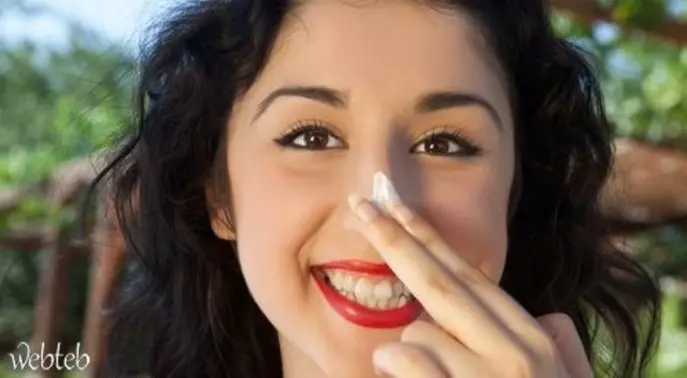
Sunshine feels wonderful, but its ultraviolet (UV) rays can pose serious risks to your skin. Protecting yourself from the sun isn’t just about avoiding sunburn; it’s about preventing long-term damage like premature aging and skin cancer. This comprehensive pocket guide for sun protection equips you with essential strategies to enjoy the outdoors safely. Let’s explore practical steps you can take today to shield your skin effectively.
- Why Sun Protection Matters for Your Health
- Your Essential Sun Protection Checklist
- Sunscreen: Your Last Line of Defense, Not the Only One
- Stay Safe in the Sun: A Final Word
Why Sun Protection Matters for Your Health
The sun’s UV radiation impacts your skin in various ways, from immediate sunburn to cumulative, long-term effects. Prolonged exposure accelerates skin aging, leading to wrinkles, fine lines, and sunspots. Furthermore, it significantly increases your risk of developing melasma and serious skin cancers, including melanoma.
Understanding these risks empowers you to take proactive steps. You actively safeguard your health and maintain your skin’s vitality for years to come.
Your Essential Sun Protection Checklist
Implementing a multi-faceted approach offers the best defense against harmful UV rays. Integrate these key strategies into your daily routine for comprehensive protection.
Timing is Everything: Know the Safe Hours
The sun’s rays are strongest during midday. Actively avoid direct sun exposure between 10:00 AM and 4:00 PM whenever possible. During these peak hours, UV radiation is at its most intense, making your skin most vulnerable.
Instead, plan your outdoor activities for the early morning before 10 AM or the late afternoon after 4 PM. These times offer significantly reduced UV intensity, providing a safer window for enjoying the outdoors.
Seek Shade Smartly
Even during “safe” hours or on cloudy days, UV rays can still reach your skin. Make it a habit to seek shade whenever you are outdoors. Utilize natural shade from trees or carry a parasol. Look for awnings or use umbrellas at the beach or park to create your own shaded sanctuary.
Staying in the shade drastically reduces your overall UV exposure, offering a simple yet effective layer of protection.
Dress for Success: Protective Clothing
Your clothing acts as a physical barrier against UV radiation. Opt for long-sleeved shirts and long pants made from tightly woven fabrics. Cotton and denim are good choices, but specialized UV-protective clothing (often labeled with a UPF rating) offers superior protection.
These garments block the sun’s harmful rays, effectively shielding your skin from head to toe. Prioritize covering as much skin as possible.
Don a Wide-Brimmed Hat
A hat is an indispensable item in your sun protection arsenal. Choose a wide-brimmed hat that offers shade to your face, ears, and the back of your neck. This accessory provides crucial protection for areas often overlooked but highly susceptible to sun damage.
Baseball caps, while common, do not offer adequate protection for your neck and ears. Always prioritize broad coverage.
Guard Your Eyes with Quality Sunglasses
Your eyes also need protection from UV rays. Invest in sunglasses that block 99-100% of both UVA and UVB radiation. Look for labels like “UV400” or “100% UV protection.”
Quality sunglasses prevent sun damage to your eyes, helping to avoid conditions like cataracts and macular degeneration over time.
Apply Sunscreen Generously and Correctly
Sunscreen serves as a vital shield for any exposed skin. Choose a broad-spectrum sunscreen with an SPF of 30 or higher. A broad-spectrum formula protects against both UVA and UVB rays.
Apply a generous amount to all exposed skin areas at least 15-30 minutes before going outside. Remember to reapply it every two hours, or more frequently if you are swimming or sweating heavily. Don’t skimp on application; you need a sufficient layer for effective protection.
Don’t Forget Your Lips!
Your lips are just as vulnerable to sun damage as the rest of your skin. Utilize a lip balm or lipstick that contains an SPF of 15 or higher. Both men and women should make this a regular part of their sun protection routine.
Protecting your lips helps prevent dryness, chapping, and the long-term risk of skin cancer on this sensitive area.
Sunscreen: Your Last Line of Defense, Not the Only One
It’s crucial to understand that sunscreen functions as the final layer of defense for your exposed skin, not a license to bake in the sun. You should apply it after you have already implemented other protective measures. These include seeking shade, wearing appropriate clothing, donning a hat, and using sunglasses.
Even with diligent application of all these tips, you don’t achieve absolute immunity from sun damage. UV damage accumulates over years, contributing to the appearance of wrinkles, sunspots, and increasing your risk of skin cancer. Consistently practice sun-safe habits to minimize these long-term effects.
Stay Safe in the Sun: A Final Word
Embracing a proactive approach to sun protection is vital for your health and well-being. By following this pocket guide for sun protection, you empower yourself to enjoy the sunshine responsibly. Combine strategic timing, shade-seeking, protective clothing, hats, sunglasses, and generous sunscreen application. This comprehensive strategy significantly reduces your risk of sun damage and promotes healthier skin for life.