
In a world buzzing with constant activity, finding moments of calm and balance can feel like a quest. Enter Tai Chi, an ancient Chinese practice often described as “meditation in motion.” This gentle yet powerful art blends deep breathing, slow, graceful movements, and mental focus, offering a holistic path to improved health and inner peace. Whether you’re seeking to enhance your physical well-being, reduce stress, or simply discover a new way to move, Tai Chi welcomes you.
This comprehensive guide will unravel the mysteries of Tai Chi, exploring its profound benefits, fundamental techniques, and practical advice to help you begin your own transformative journey.
Table of Contents
- What is Tai Chi?
- The Transformative Health Benefits of Tai Chi
- Is Tai Chi Right for You?
- Getting Started with Tai Chi
- Conclusion
What is Tai Chi?
Tai Chi, also known as Tai Chi Chuan, is more than just an exercise; it’s a traditional Chinese martial art transformed into a widely practiced health and wellness discipline. Originating in 13th-century China, its movements, though rooted in self-defense, are performed slowly and deliberately today. This practice seamlessly integrates deep, controlled breathing with gentle, flowing movements, fostering a deep connection between mind and body.
Globally recognized, Tai Chi offers a unique blend of physical activity and mental tranquility, making it accessible and beneficial for people from all walks of life.
The Transformative Health Benefits of Tai Chi
While research into Tai Chi’s extensive health benefits continues to evolve, numerous studies highlight its positive impact on overall well-being. This ancient practice offers a wealth of advantages, particularly for older adults and individuals seeking a gentle yet effective path to improved health.
Improved Balance and Reduced Falls
Tai Chi significantly enhances balance and coordination, which is particularly crucial for older adults. The slow, controlled movements strengthen leg muscles and improve proprioception – your body’s awareness of its position in space. Some research indicates that regular Tai Chi practice can effectively lower the risk of falls in seniors, promoting greater independence and confidence in daily activities.
Managing Arthritis Symptoms
For those living with arthritis, Tai Chi offers a gentle approach to managing symptoms. Studies suggest that its fluid movements can improve range of motion in key joints like the ankles, hips, and knees for individuals with rheumatoid arthritis. While its impact on pain reduction and overall quality of life for arthritis sufferers still requires more investigation, the practice supports joint flexibility and mobility without high impact.
Supporting Bone Health
The potential benefits of Tai Chi for individuals with osteoporosis have been a subject of study. While current evidence isn’t conclusive in preventing or directly treating osteoporosis, Tai Chi’s weight-bearing elements and balance-enhancing qualities can contribute to overall skeletal health and reduce the risk of fall-related fractures. Always consult your doctor for personalized advice regarding bone health.
Stress Reduction and Mental Clarity
Tai Chi’s meditative qualities are profound. The focus on deep breathing and conscious movement helps quiet the mind, effectively reducing stress and anxiety. Practitioners often report increased mental clarity, improved concentration, and a greater sense of calm and emotional well-being after regular sessions.
Enhanced Muscle Strength and Flexibility
Despite its gentle nature, Tai Chi actively engages and strengthens core muscles, particularly in the legs. The continuous, flowing transitions also promote flexibility and increase the body’s overall range of motion. This combination contributes to better posture and reduced muscle stiffness.
Is Tai Chi Right for You?
Tai Chi’s adaptability makes it suitable for a wide range of individuals. However, understanding its accessibility and potential considerations is important before you begin.
Accessibility for All Ages and Fitness Levels
Absolutely! Tai Chi is intentionally designed to be a low-impact exercise, placing minimal stress on bones and joints. This makes it an ideal activity for nearly everyone, including inactive seniors looking to gradually increase their physical activity. Many Tai Chi movements can even be modified for individuals with disabilities or those who need to remain seated.
Tai Chi and Existing Health Conditions
While generally safe, if you have any pre-existing health conditions or concerns, it’s wise to speak with your healthcare provider before starting Tai Chi. They can advise on specific precautions you might need to take, especially if you are pregnant, have a hernia, severe back pain, or advanced osteoporosis. Your doctor can help ensure the practice is tailored safely to your individual needs.
Understanding the Gentle Nature of Tai Chi
Tai Chi is a remarkably gentle activity, making injuries unlikely when performed correctly. The exercises involve a series of fluid, easy-flowing movements that do not put undue strain on your bones or muscles. It’s about grace and control, not force or speed.
Getting Started with Tai Chi
Ready to embark on your Tai Chi journey? Here are some practical steps and insights to help you begin.
First Steps: Finding a Class
A great way to start is by observing a class or attending a free taster session before committing to a full course. This allows you to experience the atmosphere and instructional style firsthand. If you have any health concerns or haven’t exercised in a while, it’s always recommended to consult your doctor before joining any new physical activity program.
Exploring Different Tai Chi Styles
Just as there are many forms of dance, Tai Chi boasts various styles, including Yang, Chen, and Wu. While each style shares core principles, their primary differences often lie in the speed of movements, the depth of stances, and how the body maintains its postures. Many instructors incorporate elements from multiple styles, offering a rich and diverse learning experience.
Mastering the Core Techniques
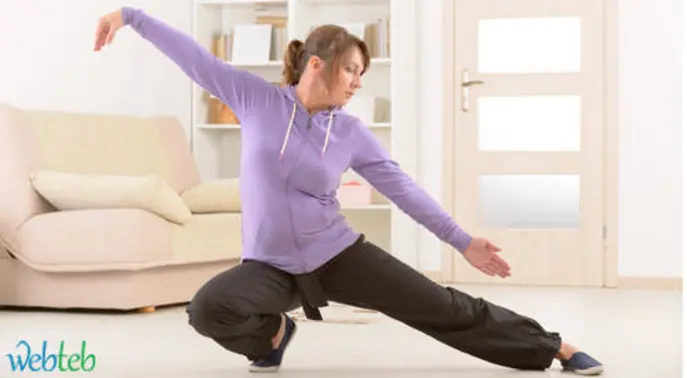
Tai Chi is characterized by continuous, elegant, and slow movements that are kind to your joints and muscles. When performed correctly, one posture smoothly transitions into the next, creating a graceful, unbroken flow. Most movements involve a slight bending of the knees, adopting a low, squat-like stance that builds strength and stability.
Learning Resources: Instructors vs. Books/DVDs
For true beginners, learning the fundamentals of Tai Chi from a qualified instructor is highly recommended. An instructor can provide personalized feedback, correct your form, and ensure you develop proper technique, which is crucial for effectiveness and injury prevention. Once you have a solid grasp of the basic postures, books or DVDs can serve as excellent supplementary tools for continued practice and refinement at home.
Conclusion
Tai Chi offers a profound pathway to holistic health, blending physical exercise with mental serenity. From enhancing balance and strength to reducing stress and improving flexibility, its benefits are wide-ranging and accessible to almost everyone. By embracing this ancient practice, you can cultivate not just a healthier body, but also a more peaceful and harmonious mind. Step into the world of Tai Chi and discover a journey of well-being that truly transforms.