
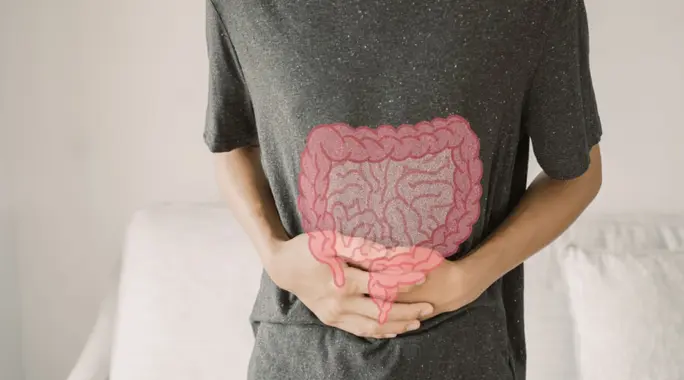
In recent years, the gut microbiome has captivated the health world, sparking countless discussions about its profound impact on our well-being. This complex community of microorganisms living in our digestive tract influences everything from our immune system to our mood. Many people wonder about the best ways to support this vital inner ecosystem, often turning to supplements like probiotics, prebiotics, and postbiotics.
While these products generate significant buzz, the fundamental question remains: is a healthy diet truly the most effective method for maintaining a balanced and robust microbiome? This article delves into the science behind gut health, clarifies the different “biotics,” and reveals why your daily food choices hold the ultimate power to cultivate a flourishing gut.
- Understanding Your Gut Microbiome: The Inner Ecosystem
- The Biotics Family: Probiotics, Prebiotics, and Postbiotics Explained
- The Microbiome’s Impact on Your Health
- Why a Healthy Diet is Your Microbiome’s Best Friend
- Conclusion
Understanding Your Gut Microbiome: The Inner Ecosystem
Advancements in genetic sequencing technology have revolutionized our understanding of the diverse microorganisms residing within us. Researchers now extensively study the composition, variety, and behavior of countless bacteria, fungi, yeasts, and viruses that inhabit the human body, particularly in the gut.
This intricate community, known as the gut microbiome, significantly influences overall human health and vitality. It’s far more than just a collection of microbes; it’s an active ecosystem that interacts constantly with your body’s systems.
The Biotics Family: Probiotics, Prebiotics, and Postbiotics Explained
The increasing focus on gut health has led to the emergence of various related terms, often sharing the “biotics” suffix, which refers to living organisms in a specific environment. In this context, it pertains to the gut bacteria found within your digestive system. Understanding the distinctions between these terms is crucial for making informed health decisions.
What Are Probiotics?
First introduced in 1965, the term “probiotic” originally described substances produced by one organism that benefited another. Today, we understand probiotics as beneficial live microorganisms, often referred to as gut flora. People consume them through fermented foods and dietary supplements to increase their numbers in the gut, aiming to harness their potential health advantages.
The Role of Prebiotics in Gut Health
Trillions of microorganisms thrive in your intestines, and they all need nourishment. This is where prebiotics play a vital role. Prebiotics are indigestible fibers that resist digestion in the stomach and small intestine, reaching the large intestine intact. There, they serve as fuel, selectively feeding the beneficial bacteria in your gut, helping them grow and multiply.
Unpacking Postbiotics: The New Frontier
Postbiotics represent a newer and increasingly recognized term in gut health. They refer to the beneficial byproducts or metabolic waste generated after your body digests probiotics and prebiotics. These byproducts include valuable nutrients like Vitamin K and certain B vitamins, along with short-chain proteins that can help inhibit the growth of harmful bacteria in the body.
The Microbiome’s Impact on Your Health
Extensive scientific research has uncovered profound connections between your gut bacteria and a wide range of health conditions. A balanced and diverse microbiome can contribute to well-being, while an imbalance can contribute to various health challenges.
Studies link gut bacteria to: blood sugar control and Type 1 Diabetes; numerous neurodegenerative diseases; various chronic gastrointestinal disorders; immune system imbalances; and even mood disorders, depression, and overall mental health.
Why a Healthy Diet is Your Microbiome’s Best Friend
Despite the proliferation of gut-related dietary supplements on the market, scientific evidence supporting the benefits of many of these supplements remains inconclusive. Critically, your gut microbiota primarily forms and adapts based on what you consume. Therefore, adopting a healthy, diverse, and comprehensive diet is the most recommended and effective strategy for nurturing your microbiome.
Foods That Nourish Your Gut
Focus on incorporating foods that actively support your gut’s beneficial inhabitants. Naturally fermented foods like yogurt, kefir, sauerkraut, kimchi, and kombucha introduce beneficial bacteria directly into your system. Additionally, fresh fruits, vegetables, whole grains, and legumes are rich in dietary fiber, serving as crucial prebiotics that feed your existing good gut bacteria.
Foods to Limit for Optimal Gut Health
Just as some foods nourish your gut, others can disrupt its delicate balance. To promote optimal gut health, consciously reduce your intake of added sugars and highly processed foods. These items often lack fiber and beneficial nutrients, potentially favoring the growth of less desirable gut microbes and contributing to inflammation.
Conclusion
Your gut microbiome is a powerful determinant of your overall health, influencing numerous bodily functions. While supplements offer tempting shortcuts, remember that your dietary choices are the most fundamental and impactful way to cultivate a thriving inner ecosystem. Prioritize a diverse, whole-food diet rich in fermented foods, fruits, vegetables, and whole grains. By nourishing your body with these choices, you empower your microbiome to support your health from the inside out.