


While many of us diligently brush our teeth, the health of our gums often takes a backseat. Yet, healthy gums are just as crucial as clean teeth for maintaining optimal oral hygiene and a dazzling smile. Neglecting your gums can lead to various issues, from inflammation to more serious gum disease.
This comprehensive guide delves into everything you need to know about proper gum cleaning. We’ll explore effective techniques, essential tools, and critical habits to keep your gums in top condition, ensuring a foundation for a lifetime of healthy teeth.
Table of Contents
- Why Gum Cleaning is Crucial for Oral Health
- Effective Techniques for Daily Gum Care
- Factors That Increase Your Risk of Gum Disease
- Maintaining Healthy Gums for Life
Why Gum Cleaning is Crucial for Oral Health
Many people believe that simply brushing their teeth sufficiently protects their oral health. While brushing is undeniably important for removing food particles and plaque from tooth surfaces, it’s only part of the equation. Your gums require specific attention and care to remain healthy and prevent potential problems.
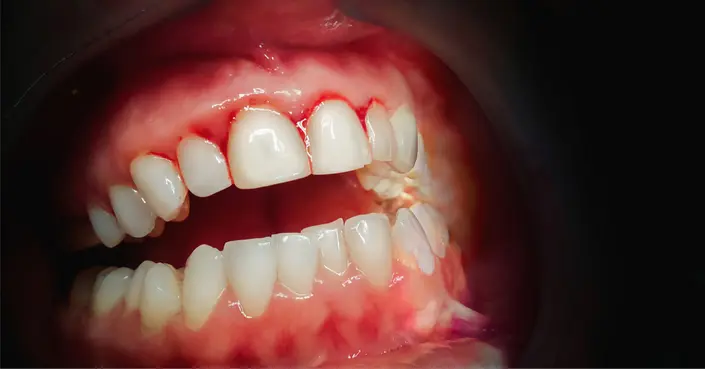
The core principle behind both teeth and gum cleaning is eliminating food debris and harmful bacteria. When food particles and bacteria accumulate, they form a sticky film called plaque. If you don’t remove plaque regularly, it hardens into tartar and can lead to gum inflammation, also known as gingivitis. This condition, if left untreated, can progress to more severe forms of gum disease, potentially impacting your overall health.
Therefore, make it a priority to diligently brush your teeth and clean your gums twice daily. Consistent oral hygiene can significantly reduce your risk of developing gum issues and avoid the need for more intensive treatments.
Effective Techniques for Daily Gum Care
Effective gum cleaning involves more than just a quick brush. It requires specific techniques and tools to reach all areas and thoroughly remove plaque and debris. Let’s explore the best methods to keep your gums pristine.
Brushing Your Gums Effectively
Whether you choose a manual or electric toothbrush, the goal remains the same: thorough gum cleaning. The key difference lies in your brush’s bristles. Always opt for a soft-bristled brush that can gently adapt to the contours of your gums without causing irritation or damage.
Follow these steps for effective gum brushing:
- Rinse your soft-bristled toothbrush under water.
- Apply a small amount of gentle, fluoride-based toothpaste, or a mouthwash recommended by a dental professional.
- Brush your gums with gentle, circular motions for at least two minutes. Pay attention to the gum line, where teeth and gums meet.
- Rinse your mouth thoroughly with water several times.
As an alternative to commercial mouthwashes, consider natural herbal rinses. You can dip your brush into an infusion made from herbs like sage, chamomile, cinnamon, or mint. These natural options are often less irritating to the gums and can offer soothing benefits.
Mastering Dental Flossing for Gum Health
Even with thorough brushing, dental floss remains an indispensable tool for gum cleaning. Floss effectively glides between your teeth and along the gum line, removing trapped food particles and plaque that your toothbrush can’t reach. This action is crucial for preventing plaque buildup in these tight spaces.
To clean your gums with dental floss, follow these simple steps:
- Break off about 18-24 inches (45-60 cm) of floss. Wind most of it around your middle fingers, leaving a small section to work with.
- Hold the floss tightly between your thumbs and index fingers.
- Gently guide the floss between two teeth, using a rubbing motion. Once it reaches the gum line, curve it into a C-shape against one tooth.
- Slide the floss gently into the space between the gum and the tooth, moving it up and down. Repeat this for the adjacent tooth.
- Use a clean section of floss for each tooth, ensuring you clean all tooth surfaces and gum lines.
- Rinse your mouth thoroughly with water afterward to wash away loosened debris.
Water Flossers: An Alternative for Sensitive Gums
If you experience difficulty using a traditional toothbrush or dental floss due to sensitive gums, inflammation, bleeding, or orthodontic appliances, a water flosser can be an excellent alternative. Water flossers use a stream of pulsating water to remove food particles and plaque from between teeth and below the gum line.
To use a water flosser for gum cleaning:
- Fill the reservoir with lukewarm water. You can also add a gentle, alcohol-free mouthwash or an herbal infusion, similar to those mentioned for brushing.
- Direct the water jet towards your gum line, pausing briefly between teeth. Allow the water to run into the sink.
- Move systematically around your mouth, ensuring you clean both the front and back of your teeth and gums.
Water flossers offer a gentle yet effective way to maintain gum health, especially for those with specific oral care challenges.
Factors That Increase Your Risk of Gum Disease
While regular gum cleaning is fundamental, understanding and avoiding certain risk factors can further protect your gums from disease. Proactive awareness helps you take better control of your oral health.
The Impact of Smoking on Gum Health
Smoking is a significant risk factor for gum disease. It not only slows down the healing process if you already have gum inflammation but also weakens your immune system. A compromised immune system makes your gums more susceptible to bacterial infections and overall disease, making it harder for them to fight off harmful bacteria.
Dry Mouth Syndrome and Gum Disease
Saliva plays a vital role in natural gum cleaning by washing away food particles and neutralizing acids. If you suffer from dry mouth, also known as xerostomia, your gums become more vulnerable to plaque buildup and subsequent disease. If you consistently experience dry mouth, consider consulting a dental professional to identify the cause and recommend appropriate treatments to increase saliva production and mitigate associated risks.
Dietary Habits and Gum Inflammation
Your diet significantly influences your gum health. Consuming very hard foods can sometimes increase the likelihood of gum inflammation or injury. While a balanced diet is crucial, be mindful of excessively hard or sticky foods that might irritate your gums or leave debris easily trapped, contributing to plaque formation.
Maintaining Healthy Gums for Life
Achieving and maintaining healthy gums requires a consistent commitment to proper oral hygiene. By incorporating effective gum cleaning techniques into your daily routine and being mindful of the factors that can impact gum health, you create a strong foundation for a vibrant smile and overall well-being. Remember that your gums are the supportive framework for your teeth, and their health is non-negotiable for a healthy mouth.
If you notice any persistent signs of gum irritation, bleeding, or discomfort, schedule a consultation with your dentist. They can provide personalized advice and professional care to ensure your gums remain in optimal condition.