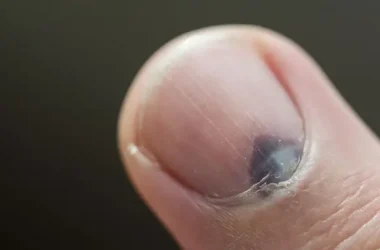



Do your hands and feet often feel like ice, even when the rest of your body is comfortably warm? This common sensation, known as cold extremities, can range from a minor annoyance to a signal of underlying health concerns. While environmental factors play a role, persistent coldness often points to more specific issues.
Understanding the root causes of cold hands and feet is the first step toward finding relief. This comprehensive guide will explore the various reasons behind cold extremities and offer practical, effective strategies to help you warm up and improve your overall comfort.
Table of Contents
- Unraveling the Mystery: Common Causes of Cold Extremities
- Finding Warmth: Effective Treatment and Relief Strategies
Unraveling the Mystery: Common Causes of Cold Extremities
Cold hands and feet can stem from a variety of factors, some benign and others indicative of a deeper health issue. Identifying the potential cause is crucial for effective management.
Poor Circulation: When Blood Flow Isn’t Enough
Efficient blood flow is essential for maintaining body temperature, especially in your extremities. When circulation is compromised, your hands and feet are often the first to feel the cold.
- Anemia: This condition occurs when your body lacks enough healthy red blood cells to carry adequate oxygen. Insufficient oxygen delivery throughout the body, including to your extremities, often leads to a persistent feeling of coldness.
- Vascular Disorders: Conditions that affect your blood vessels can restrict blood flow to your arms and legs. This reduced circulation causes a noticeable drop in temperature in your hands and feet.
- Hypothyroidism: Your thyroid gland regulates your body’s metabolism and energy production. If it doesn’t produce enough hormones, your metabolic rate slows down, leading to symptoms like cold extremities, fatigue, and weight gain.
Underlying Health Conditions Affecting Temperature Regulation
Several chronic conditions can impact your body’s ability to maintain warmth, directly contributing to cold extremities.
- Diabetes: Uncontrolled diabetes can lead to nerve damage (neuropathy) and kidney damage (diabetic nephropathy). Both can impair your body’s ability to sense temperature or regulate blood flow, resulting in cold sensations in your hands and feet.
- Anorexia Nervosa: Individuals struggling with anorexia often have very low body fat and insufficient caloric intake. Their bodies lack the insulation and energy needed to maintain a normal core temperature, making them highly susceptible to feeling cold.
- Vitamin B12 Deficiency: This essential vitamin plays a vital role in nerve health. A deficiency can cause nerve weakness, leading to symptoms such as cold extremities, numbness, tingling, and a pins-and-needles sensation. Since your body doesn’t produce B12, you must obtain it from your diet (e.g., meat, dairy, legumes).
Environmental and Lifestyle Factors
Sometimes, the explanation for cold extremities is simpler, related to your surroundings or daily habits.
- Cold Temperatures: Exposure to low temperatures naturally causes blood vessels to constrict, reducing blood flow to your extremities. This is your body’s way of conserving heat for vital organs, but it leaves your hands and feet feeling chilled.
- Severe Stress or Anxiety: When you experience stress or anxiety, your body releases adrenaline. This hormone triggers vasoconstriction, narrowing blood vessels in your extremities and diverting blood flow to your core, resulting in cold hands and feet.
- Nerve Disorders: Damage to your nerves, whether from physical trauma, injury, severe frostbite, or conditions like neuropathy (often linked to kidney or liver disease, or genetics), can disrupt temperature sensation and lead to persistent coldness in the affected limbs.
Finding Warmth: Effective Treatment and Relief Strategies
While identifying the cause is important, various strategies can help you find immediate relief and long-term warmth for your cold extremities.
Immediate Relief: Simple Home Remedies
These practical tips can help improve circulation and bring warmth back to your hands and feet.
- Regular Movement and Exercise: Engage in regular physical activity to boost overall circulation. Even simple movements like wiggling your toes, rotating your ankles, or walking can significantly enhance blood flow to your extremities, helping to warm them up.
- Wear Warm, Insulated Clothing: Protect your hands and feet from cold by wearing thick, insulated socks and gloves. Layering is key, especially when venturing outdoors or in chilly indoor environments.
- Invest in Insulated Slippers: If your home has cold floors, wearing well-insulated slippers can make a big difference in keeping your feet warm and comfortable.
- Warm Water Soaks: Soaking your hands or feet in a basin of warm water is one of the quickest ways to relieve coldness. A 10-15 minute soak can improve blood flow and even help reduce tension, making it particularly beneficial before bedtime.
- Use Heating Pads or Hot Water Bottles: Place a heating pad or a warm water bottle near your feet or hands while you sleep. This localized warmth can keep the area cozy and prevent cold extremities from disrupting your rest.
Important Safety Note: If you have nerve disorders or diabetes, exercise extreme caution with warm water soaks or heating devices. Reduced sensation means you might not accurately gauge water temperature, potentially leading to burns. Always test temperatures with another body part or have someone assist you.
When to Seek Medical Advice
While home remedies offer comfort, they don’t always address the underlying cause. If you experience persistent cold extremities, especially accompanied by other symptoms, professional evaluation is important.
Consider seeking medical advice if your cold hands and feet are:
- Persistent and unexplained.
- Accompanied by skin color changes (blue, white, or red patches).
- Associated with numbness, tingling, or pain.
- Causing skin changes, sores, or infections.
- Worsening over time despite home remedies.
A healthcare professional can perform necessary tests to diagnose the specific cause of your cold extremities and recommend appropriate treatment plans.
Don’t let cold hands and feet keep you uncomfortable. By understanding the potential causes and implementing effective strategies, you can find lasting warmth and improve your quality of life.