


The “Whole Lung Lavage” (WLL) procedure is a specialized medical intervention, often unfamiliar due to the rarity of conditions it treats. While not common, it plays a vital role for individuals suffering from specific lung diseases. This comprehensive guide will walk you through everything you need to know about this unique and potentially life-saving treatment.
Table of Contents
- What is Whole Lung Lavage (WLL)?
- Why Is Whole Lung Lavage Performed?
- How Does the Lung Lavage Procedure Work?
- Potential Complications of Lung Lavage
- Important Considerations for Lung Lavage
What is Whole Lung Lavage (WLL)?
Whole Lung Lavage, also known as “lung washing,” is a therapeutic procedure designed to clear harmful substances from the lungs. Its primary goal is to remove lipoproteinaceous material that accumulates in the air sacs or to eliminate inhaled mineral dust. The buildup of these substances severely impairs oxygen delivery to the bloodstream and disrupts normal respiratory function.
Why Is Whole Lung Lavage Performed?
Doctors primarily recommend Whole Lung Lavage for patients diagnosed with Pulmonary Alveolar Proteinosis (PAP). PAP is a rare disorder, affecting approximately one in every 100,000 people, characterized by the abnormal accumulation of lipoproteinaceous material within the lung’s air sacs.
Furthermore, medical professionals may consider WLL for other specific conditions, including:
- Significant dust accumulation in the lungs, often seen in individuals working in mining or other dusty environments.
- Severe allergic reactions causing abnormal lung secretions.
- Tumors leading to the buildup of unusual secretions or blockages in the lungs.
How Does the Lung Lavage Procedure Work?
First performed in 1964, lung lavage has evolved significantly, becoming safer and more refined with time. The procedure follows a precise sequence of steps to ensure effectiveness and patient safety.
Anesthesia Administration
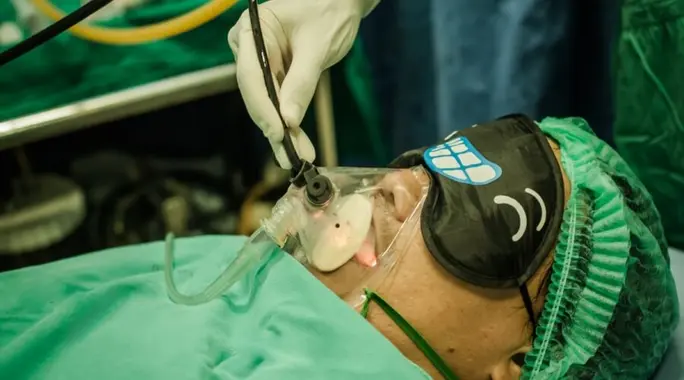
Healthcare providers administer general anesthesia, typically through intravenous injection, to ensure the patient’s comfort and immobility throughout the procedure. If the patient has asthma or a history of bronchial spasms, medical teams might opt for inhalation anesthesia.
Patient Positioning
The medical team carefully positions the patient on their back. This particular posture helps to optimize the functional residual capacity of the lung, which aids in draining the accumulated proteinaceous material. While some discussions suggest side positioning could be beneficial, patient movement during the procedure carries significant risks.
The Lavage Process
To minimize potential side effects, doctors wash only one lung at a time, allowing for a recovery period of approximately three weeks before treating the other lung. This interval significantly enhances the safety of the second lavage. The process involves introducing a precisely formulated saline solution into the lung after it has been completely deflated of air. Prior to the procedure, X-ray imaging identifies the more affected lung, which is usually addressed first.
Chest Vibrations
Following the fluid instillation, a physical therapist performs chest vibrations or uses a mechanical vibrating vest on the patient’s chest. This technique helps dislodge and ensure the complete drainage of all accumulated lipoproteinaceous material, promoting the lung’s return to its natural state. Mechanical vibrations often result in less post-procedure pain compared to manual chest percussion.
Potential Complications of Lung Lavage
While generally safe when performed by experienced professionals, the lung lavage procedure can lead to certain complications. Patients should be aware of these potential risks:
- Fever
- Decreased oxygen levels in the blood (hypoxemia)
- Pneumonia
- Fluid leakage
- Cardiac arrest (extremely rare but possible, requiring immediate resuscitation)
Important Considerations for Lung Lavage
Understanding these key aspects of Whole Lung Lavage provides a comprehensive overview of the procedure:
- Postponement of Procedure: Doctors may defer lung lavage in specific situations, such as:
- Recent myocardial infarction (heart attack).
- Presence of a metallic stent in the body.
- Procedure Duration: The entire lung lavage procedure typically lasts between two to five hours.
- Frequency of Treatment: Patients with Pulmonary Alveolar Proteinosis (PAP) might require repeated lung lavages periodically. However, for conditions like toxicity, tumors, or dust accumulation, a single procedure might suffice.
- Hospital Stay: Most patients usually stay in the hospital for approximately one day after the procedure. They can typically be discharged once medical staff confirm the absence of complications or contraindications.
Whole Lung Lavage is a specialized and effective treatment for specific, often rare, lung conditions. By understanding its purpose, methodology, and potential outcomes, patients can approach this procedure with greater confidence and knowledge. Always discuss any concerns or questions with your medical team to ensure the best possible care tailored to your individual needs.