



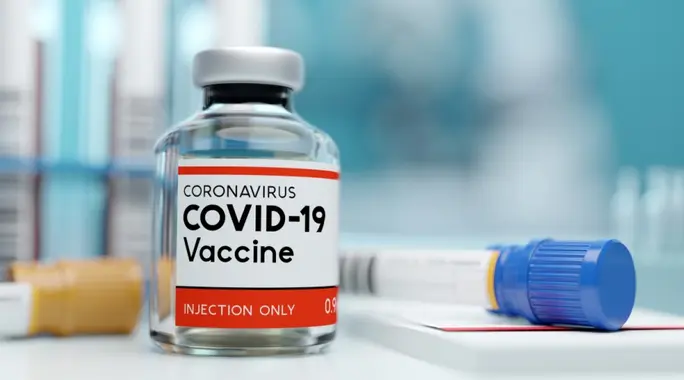
Getting your COVID-19 vaccine is a crucial step towards protecting yourself and your community. While vaccination offers significant benefits, it’s natural to have questions about what happens immediately after your shot. Many people experience mild, temporary side effects, which are a normal sign that your body is building protection.
This comprehensive guide addresses common concerns and provides actionable advice to help you navigate your post-vaccine experience with confidence and ease. We’ll explore typical side effects, effective management strategies, and answer frequently asked questions about the COVID-19 vaccine.
Table of Contents
- Understanding Post-Vaccine Side Effects
- Managing Post-Vaccine Symptoms: Practical Tips
- Your COVID-19 Vaccine Questions Answered
- Conclusion
Understanding Post-Vaccine Side Effects
After receiving your COVID-19 vaccine, it’s common to experience some mild side effects. These reactions are completely normal and serve as positive indicators that your immune system is actively learning to build protection against the virus.
The intensity and type of side effects can vary significantly from person to person. While some individuals might feel a bit under the weather and find their daily activities slightly impacted, others may experience very minimal discomfort.
Most vaccine-related side effects are mild, temporary, and typically resolve within a week. It’s crucial to remember that even if you experience side effects after your first dose, you should still receive your second dose (if applicable) to achieve the best possible protection. If your symptoms worsen or cause significant concern, contact a healthcare professional for guidance.
Common COVID-19 Vaccine Side Effects
Here are some of the most frequently reported side effects after receiving a COVID-19 vaccine:
- Pain, redness, or swelling at the injection site.
- General fatigue or tiredness.
- Headache.
- Muscle aches.
- Chills.
- Nausea.
- Mild flu-like symptoms.
- Swollen lymph nodes.
Managing Post-Vaccine Symptoms: Practical Tips
While post-vaccine side effects are generally mild, you can take several simple steps to alleviate discomfort and feel better quickly. These tips focus on managing symptoms effectively, allowing your body to recover comfortably.
Over-the-Counter Pain Relief
Many healthcare professionals suggest taking over-the-counter pain relievers such as ibuprofen or paracetamol (acetaminophen) to help reduce any pain, swelling, or general discomfort you might experience. It’s generally recommended to take these medications only *after* symptoms appear, rather than proactively before your vaccination.
Simple Comfort Measures
In addition to pain relief, consider these practical tips:
- Apply a clean, cool, damp cloth to the injection site if you experience pain or swelling.
- Stay well-hydrated by drinking plenty of fluids.
- Wear light clothing to help manage any feverish sensations.
Your COVID-19 Vaccine Questions Answered
Navigating the world of COVID-19 vaccines can lead to many questions. Here, we address some of the most common inquiries to provide clarity and peace of mind regarding your vaccination journey.
How Many Doses Are Needed?
The number of vaccine doses required varies depending on the specific vaccine type. Some COVID-19 vaccines provide sufficient immunity with a single shot, while others require two doses spaced several weeks apart to achieve optimal protection.
Typically, your body needs about two weeks after your final dose to build a robust immune response. Therefore, it’s essential to continue following all recommended prevention guidelines, such as mask-wearing and social distancing, until you are fully protected.
Does the Vaccine Fully Prevent Infection?
While COVID-19 vaccines are highly effective at preventing severe illness, hospitalization, and death, they do not offer 100% protection against infection. Current evidence indicates that vaccinated individuals can still contract and potentially transmit the virus, though often with milder or asymptomatic cases.
For instance, studies showed that the Pfizer vaccine offered around 95% protection against symptomatic disease, and Moderna offered about 94.1%. Therefore, it remains crucial to maintain precautions, especially around vulnerable individuals, even after vaccination.
Who Gets Priority for Vaccination?
Vaccination programs typically prioritize individuals at higher risk of severe complications from COVID-19 infection. This often includes older adults, healthcare workers, individuals with chronic health conditions, and those with certain learning disabilities.
Can the Vaccine Give Me COVID-19?
No, the COVID-19 vaccines authorized for use in most countries cannot give you COVID-19. They do not contain the live virus that causes the disease. Instead, they teach your immune system how to recognize and fight the virus, protecting you from future infection.
When Should I Get My Next Dose?
The timing for your second dose (if required) typically ranges from 3 to 12 weeks after your first dose, depending on the vaccine type and local guidelines. If you are unwell or suspect you might have COVID-19, it’s advisable to wait until you feel better before receiving your second dose. However, aim to get it as soon as possible after recovery to ensure full protection.
COVID-19 Vaccine During Pregnancy and Breastfeeding
Current research has not identified any evidence suggesting that COVID-19 vaccines pose a risk to pregnant or breastfeeding individuals or their babies. There is also no evidence recommending against conception after vaccination. However, ongoing research continues to provide more comprehensive data and further support these findings.
Allergic Reactions to the Vaccine
While rare, some individuals may experience an allergic reaction to a COVID-19 vaccine. It is vital to inform your healthcare provider about any history of severe allergies or adverse reactions to previous vaccine doses or any of their components.
Most allergic reactions occur within minutes of vaccination, which is why monitoring periods are standard practice after you receive your shot. Healthcare professionals are trained to manage such situations promptly and safely.
Conclusion
The COVID-19 vaccine represents a powerful tool in public health, offering robust protection against the virus. Understanding what to expect after your vaccination, including common side effects and how to manage them, empowers you to confidently navigate this important step.
Remember, experiencing mild side effects is a positive sign that your immune system is responding and building vital defenses. Stay informed, follow public health guidelines, and consult a healthcare professional if you have any persistent concerns.