


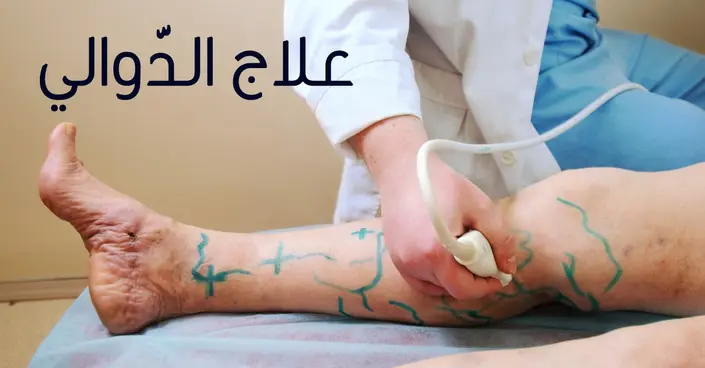
Varicose veins, those twisted, bulging blue or purple veins often visible on the legs, affect millions worldwide. While they might primarily be a cosmetic concern for some, many experience discomfort, pain, swelling, and even serious health complications. When conservative treatments like compression stockings and lifestyle changes aren’t enough, or if symptoms become severe, your doctor might recommend surgical intervention.
This comprehensive guide delves into the various surgical methods available for treating varicose veins, explaining how each procedure works and what you can expect.
- Understanding Varicose Veins
- Surgical Options for Varicose Veins
- Choosing the Right Procedure: What Factors Matter?
- Potential Side Effects of Varicose Vein Surgery
- Recovering and Preventing Complications
- Conclusion
Understanding Varicose Veins
Varicose veins occur when valves in the veins weaken or become damaged, preventing blood from flowing efficiently back to the heart. Instead, blood pools, causing the veins to enlarge, twist, and become visible. While commonly found in the legs, they can appear elsewhere. Fortunately, several effective surgical treatments can address both the cosmetic and symptomatic concerns.
Surgical Options for Varicose Veins
Modern medicine offers a range of procedures to treat varicose veins, from minimally invasive options to more traditional surgical approaches. The choice of treatment often depends on the severity and location of the varicose veins, as well as your overall health.
Vein Closure Techniques
These methods focus on sealing off the affected vein, redirecting blood flow to healthier veins. The body then naturally absorbs the closed vein over time.
Sclerotherapy: Chemical Vein Closure
Sclerotherapy involves injecting a special solution directly into the varicose vein. This solution irritates the vein lining, causing it to scar and eventually close. The treated vein collapses, and blood reroutes to healthy veins nearby. Over several weeks, the collapsed vein fades from view.
This procedure typically uses local anesthesia to numb the area, or sometimes general anesthesia depending on the extent. Patients often require multiple sessions, spaced 4-6 weeks apart, to achieve complete closure. Mild discomfort and the need to wear compression stockings for several weeks after each treatment are common.
Laser Treatment for Varicose Veins
Another approach to closing veins is through laser therapy. In this method, a physician uses focused, high-intensity light from outside the body to seal the affected vein. The laser energy heats the vein, causing it to collapse and close off.
Endovenous Thermal Ablation (EVTA)
EVTA, which includes both laser and radiofrequency ablation, uses heat to close varicose veins from the inside. After numbing the area around the vein, the surgeon makes a tiny incision in the skin. A thin catheter containing a laser fiber or radiofrequency electrode is then inserted into the affected vein.
The device delivers controlled heat, causing the vein walls to collapse and seal shut. This technique is highly effective and allows patients to typically return to their normal routine within two weeks.
Endoscopic Vein Surgery
For more severe cases, especially those involving ulcers, endoscopic vein surgery might be an option. A small camera attached to a thin tube is inserted into the vein through a tiny incision. Using the camera for guidance, a surgical device at the end of the tube closes the problematic vein.
Vein Removal Techniques
These procedures physically remove the varicose veins from the body.
Ambulatory Phlebectomy
Ambulatory phlebectomy is a minimally invasive procedure to remove varicose veins located close to the skin’s surface. After numbing the treatment area, the surgeon makes several tiny incisions, typically no larger than 2-3 millimeters, to remove the affected veins. Patients can usually return home the same day, with minimal downtime.
Ligation and Stripping
Ligation and stripping is a more traditional surgical approach, often reserved for severe cases of varicose veins. This procedure requires general anesthesia. The surgeon makes incisions in the skin, typically near the groin and ankle, to tie off (ligate) the affected vein and then carefully remove (strip) it. In some cases, the saphenous vein, a major superficial vein, may be preserved if it could be needed for future heart bypass surgery.
Patients usually go home on the same day, but the recovery period can range from 1 to 4 weeks. This method effectively removes large, problematic veins.
Choosing the Right Procedure: What Factors Matter?
Selecting the most suitable varicose vein treatment depends on several individual factors. Your doctor will consider:
- Your Age and Overall Health: General health status and any existing medical conditions play a crucial role.
- Severity and Extent of Varicose Veins: The size, location, and number of affected veins will influence the recommendation.
- Specific Symptoms: The type and intensity of symptoms you experience, such as pain, swelling, or skin changes.
A thorough consultation with a vascular specialist is essential to determine the best course of action for your unique situation.
Potential Side Effects of Varicose Vein Surgery
While generally safe, all varicose vein procedures carry some potential side effects. Most common side effects are temporary and resolve within a few days or weeks:
- Swelling
- Bruising
- Skin discoloration
- Mild pain or tenderness
Rarely, more serious complications can occur. Seek immediate medical attention if you experience:
- Blood clots
- Severe pain that doesn’t subside
- Signs of infection (redness, warmth, pus)
- Significant scarring
Recovering and Preventing Complications
Regardless of the varicose vein treatment you undergo, certain practices can aid recovery and help prevent future vein issues or complications:
- Maintain a Healthy Weight: Excess weight puts additional pressure on your veins.
- Exercise Regularly: Physical activity improves blood circulation in your legs.
- Elevate Your Legs: When sitting or lying down, raising your legs above heart level can reduce swelling.
- Avoid Tight Clothing: Restrictive clothing around the waist, groin, or legs can hinder blood flow.
- Wear Compression Stockings: As advised by your doctor, compression stockings can support vein function and reduce swelling during recovery.
Conclusion
Varicose veins, while common, don’t have to be a lifelong burden. A variety of effective surgical methods are available to alleviate symptoms and improve the appearance of your legs. From minimally invasive closure techniques to traditional vein removal, each option offers distinct benefits. Discussing your symptoms and concerns with a qualified healthcare professional is the first step towards finding the most appropriate treatment plan for you and reclaiming comfort and confidence.