
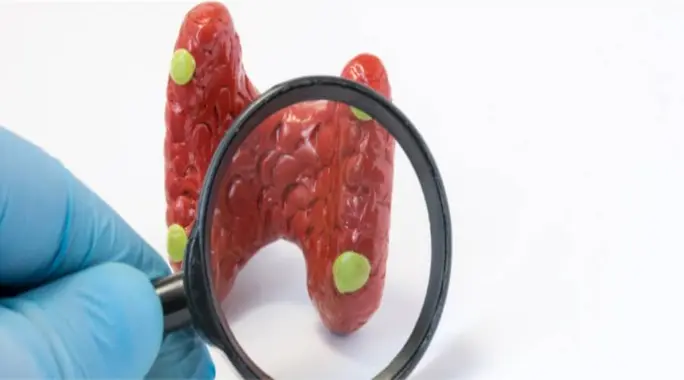
Are you experiencing unexplained fatigue, persistent thirst, or even mood swings? These subtle signs could point to an often-misunderstood condition: hyperparathyroidism. Your parathyroid glands, four tiny glands located in your neck, play a crucial role in regulating calcium levels in your body. When these glands become overactive, they release too much parathyroid hormone (PTH), leading to a host of symptoms that can range from mild and vague to severe and debilitating. Recognizing the early parathyroid gland symptoms is vital for timely diagnosis and effective management. Let’s explore what these glands do, how their overactivity manifests, and when it’s time to talk to a healthcare professional.
- What are Parathyroid Glands?
- Understanding Parathyroid Gland Symptoms
- Potential Complications of Hyperparathyroidism
- Diagnosing an Overactive Parathyroid Gland
- When to Seek Medical Advice
- Conclusion: Taking Charge of Your Health
What are Parathyroid Glands?
You have four small parathyroid glands, typically situated behind your thyroid gland in the neck. These vital endocrine glands produce parathyroid hormone (PTH), which acts as the primary regulator of calcium and phosphorus levels in your blood. Calcium is essential for strong bones, proper nerve function, muscle contractions, and heart health.
When your parathyroid glands become overactive, a condition known as hyperparathyroidism, they produce an excessive amount of PTH. This surge in PTH then causes your body to release too much calcium from your bones into your bloodstream, leading to elevated calcium levels (hypercalcemia). Understanding this fundamental process helps us grasp the wide array of parathyroid gland symptoms that can arise.
Understanding Parathyroid Gland Symptoms
The impact of hyperparathyroidism is highly unpredictable. Some individuals experience only minimal, vague symptoms, while others endure severe and debilitating effects, even with similar calcium levels. This variability makes recognizing parathyroid gland symptoms particularly challenging.
The Calcium Connection
Despite the critical role of calcium in hyperparathyroidism, the severity of your symptoms doesn’t always directly correlate with how high your calcium levels are. For instance, a person might have very high calcium with few or no noticeable symptoms. Conversely, someone with only a slight elevation in calcium could experience significant discomfort.
Often, the initial parathyroid gland symptoms are non-specific, easily mistaken for other common ailments or simply attributed to aging. This highlights the importance of thorough medical evaluation if you suspect an underlying issue.
Mild to Moderate Symptoms
Many individuals with hyperparathyroidism first notice subtle changes that gradually worsen over time. These mild to moderate parathyroid gland symptoms frequently include:
- Persistent Fatigue: A feeling of tiredness that doesn’t improve with rest.
- Depression or Mood Swings: Changes in emotional well-being, including unexplained sadness or irritability.
- Increased Thirst and Frequent Urination: Your kidneys work harder to filter excess calcium, leading to dehydration.
- Nausea and Loss of Appetite: Digestive disturbances that can affect your overall nutrition.
- Muscle Weakness: A noticeable decrease in strength, particularly in the limbs.
- Constipation and Abdominal Pain: Common gastrointestinal complaints.
- Difficulty Concentrating: Feeling foggy-headed or having trouble focusing.
- Mild Confusion: A subtle sense of disorientation or impaired cognitive function.
These symptoms, while seemingly minor, can significantly impact your quality of life. They often serve as early indicators that your parathyroid glands might be overactive.
Severe & Advanced Symptoms
If left untreated, hyperparathyroidism can lead to further increases in blood calcium, causing more severe and potentially life-threatening parathyroid gland symptoms. These advanced signs often include:
- Vomiting and Severe Dehydration: Exacerbated digestive issues and fluid loss.
- Significant Dizziness and Vertigo: Impairment of balance and coordination.
- Pronounced Confusion and Disorientation: More severe cognitive impairment.
- Muscle Spasms and Tremors: Involuntary muscle contractions.
- Bone and Joint Pain: Chronic aching, often due to calcium being leached from bones.
- Irregular Heartbeat (Arrhythmia): Calcium imbalances can affect heart rhythm.
- High Blood Pressure (Hypertension): Another potential cardiovascular effect of elevated calcium.
These severe manifestations underscore the importance of early diagnosis and intervention to prevent irreversible damage to various organ systems.
Potential Complications of Hyperparathyroidism
Prolonged hypercalcemia due to an overactive parathyroid gland can lead to serious long-term complications affecting several parts of your body. These include:
- Osteoporosis: The most common complication, where bones become brittle and prone to fractures due to continuous calcium loss.
- Kidney Stones and Kidney Disease: High calcium levels can lead to the formation of painful kidney stones and, over time, impair kidney function.
- Stomach Ulcers (Peptic Ulcers): Although less common, hypercalcemia can contribute to the development of stomach ulcers.
- Pancreatitis: Inflammation of the pancreas, which can cause severe abdominal pain and digestive issues.
Recognizing and addressing parathyroid gland symptoms promptly can help mitigate the risk of these debilitating complications.
Diagnosing an Overactive Parathyroid Gland
Detecting hyperparathyroidism often begins when you or your doctor notice concerning parathyroid gland symptoms. However, many cases are discovered incidentally during routine blood tests performed for other reasons, even when symptoms are subtle or absent.
Initial Blood Tests
The most definitive way to diagnose an overactive parathyroid gland is through blood tests. If an initial blood test reveals elevated calcium levels, your doctor will likely recommend a follow-up test. This second blood test specifically measures both your blood calcium levels and your parathyroid hormone (PTH) levels. For accurate results, this test typically requires fasting beforehand.
A diagnosis of primary hyperparathyroidism is usually confirmed if both your blood calcium and PTH levels are consistently elevated. This indicates that your parathyroid glands are producing too much hormone, regardless of your body’s calcium needs.
Further Diagnostic Steps
Once hyperparathyroidism is confirmed, your doctor may order additional tests to evaluate the impact of the condition and identify any potential underlying causes. These can include:
- Urine Tests: To assess kidney function and detect excessive calcium excretion.
- Kidney Imaging: Ultrasounds or X-rays to check for kidney stones or other kidney abnormalities.
- Bone Density Scan (DEXA scan): To measure bone mineral density and identify osteoporosis or bone thinning caused by calcium loss.
Occasionally, hyperparathyroidism can result from other conditions, such as severe kidney problems, a significant vitamin D deficiency, or even extremely low calcium intake (though this is rare with primary hyperparathyroidism). These additional tests help differentiate between primary hyperparathyroidism and secondary causes.
When to Seek Medical Advice
If you experience any of the parathyroid gland symptoms discussed, especially persistent fatigue, increased thirst, bone pain, or unexplained mood changes, it’s crucial to consult a healthcare professional. Early detection allows for prompt treatment and helps prevent the progression of symptoms and potential complications. Even if your symptoms seem mild or you’ve noticed them incidentally through other tests, discussing your concerns with your doctor is always recommended. They can order the necessary blood work and diagnostic imaging to accurately assess your parathyroid health.
Conclusion: Taking Charge of Your Health
Recognizing the parathyroid gland symptoms, from the subtle hints of fatigue and concentration issues to the more severe signs of bone pain and digestive problems, empowers you to take control of your health. Hyperparathyroidism can significantly impact your well-being, but with early diagnosis through simple blood tests and appropriate medical intervention, you can effectively manage the condition and prevent long-term complications like osteoporosis and kidney disease. Don’t hesitate to consult your doctor if these symptoms resonate with your experience; a proactive approach is your best defense against the challenges of an overactive parathyroid gland.