



Syphilis is a complex sexually transmitted infection (STI) that can have severe health consequences if left untreated. Understanding its progression is crucial for early detection and effective management. This guide breaks down the distinct phases of syphilis, helping you recognize its signs and grasp why timely intervention is so important.
Table of Contents
- What is Syphilis?
- The Four Distinct Stages of Syphilis
- How Syphilis Spreads and Why Early Treatment Matters
What is Syphilis?
Syphilis is an infection caused by the bacterium Treponema pallidum. It primarily spreads through sexual contact but can also pass from an infected mother to her baby during pregnancy. This STI is notorious for its varied symptoms, which often mimic other conditions, making diagnosis challenging. However, recognizing the specific stages of syphilis is key to understanding its impact on the body.
The Four Distinct Stages of Syphilis
Syphilis typically progresses through four distinct stages: primary, secondary, latent, and tertiary. The initial two stages are often highly contagious, while the later stages can lead to severe, irreversible damage to various organ systems.
Primary Syphilis: The Initial Sore
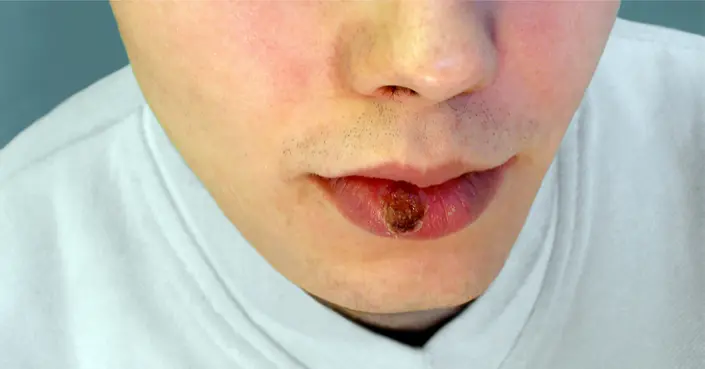
This first stage marks the initial point of infection. Symptoms usually appear within 10 to 90 days after exposure, typically averaging three weeks. The defining characteristic of primary syphilis is the appearance of a single, firm, round, and painless sore known as a chancre.
These chancres typically develop at the site where the bacteria entered the body, such as the genitals, anus, rectum, mouth, or lips. Although usually solitary, multiple sores can sometimes occur. These sores heal on their own within three to six weeks, even without treatment.
Despite the healing of the chancre, the syphilis infection remains active in the body and can progress to the next stage if left untreated. During this phase, infected individuals are highly contagious.
Secondary Syphilis: Widespread Symptoms
Secondary syphilis typically begins as the primary chancre is healing or several weeks after it has disappeared. This stage is characterized by a widespread rash and, in some cases, lesions on mucous membranes. The rash often appears rough, reddish-brown, and may affect the palms of the hands and soles of the feet, yet it usually does not itch.
In individuals with darker skin tones, the rash may appear lighter than the surrounding skin. Beyond the skin, sores called mucous patches can form in the mouth, nose, eyes, or genital areas. Additional symptoms can include swollen lymph nodes, fever, sore throat, headaches, muscle aches, fatigue, weight loss, and patchy hair loss (especially from eyebrows, eyelashes, and scalp).
These secondary symptoms typically resolve within two months, even without treatment, but the infection persists. Individuals in this stage are still highly contagious, and without proper medical care, the disease will advance to its latent or tertiary forms.
Latent Syphilis: The Silent Phase
The latent stage of syphilis is a period where no visible signs or symptoms are present, yet the bacteria remain in the body. This “hidden” phase can last for several years, and it is often categorized into early latent (within 12 months of infection) or late latent (more than 12 months after infection).
While individuals may no longer be contagious through sexual contact during the late latent phase, the bacteria continue to affect internal organs, including the heart, brain, bones, and other parts of the body. Not everyone with syphilis will progress to this stage immediately; some may move directly from secondary to tertiary syphilis.
Diagnosing latent syphilis often relies on blood tests and an assessment of the individual’s medical history, as there are no outward symptoms to observe.
Tertiary (Late) Syphilis: Long-Term Damage
Tertiary syphilis is the most severe stage, occurring in approximately 15-30% of individuals who do not receive treatment. This stage can develop 10 to 30 years after the initial infection, causing extensive and often irreversible damage to vital organs. The symptoms from earlier stages typically disappear, yet the bacteria continue their destructive work silently.
This advanced stage can impact numerous organ systems, including the brain, nerves, blood vessels, bones, eyes, heart, liver, and joints. Potential complications are devastating and include gradual blindness, paralysis, difficulty coordinating muscle movements, numbness, and an increased risk of dementia.
While treatment can halt the progression of tertiary syphilis and prevent further damage, any existing organ damage is permanent. Without intervention, tertiary syphilis can ultimately be fatal.
How Syphilis Spreads and Why Early Treatment Matters
Syphilis primarily spreads through direct contact with a syphilitic sore (chancre) during vaginal, anal, or oral sex. It can also transmit from an infected mother to her baby during pregnancy, leading to congenital syphilis, which can cause severe health issues for the newborn.
Early diagnosis and treatment are critical for preventing the progression of syphilis to its more damaging stages. Penicillin, an antibiotic, is highly effective in treating syphilis, especially in its primary and secondary stages, often curing the infection with a single dose. Treatment in later stages may require more doses, but it remains effective in stopping the disease’s progression.
Prompt medical attention not only cures the infection but also prevents the severe, long-term health complications associated with tertiary syphilis. It also stops the spread of the infection to others.