


Your liver plays a critical role in detoxifying your body and maintaining overall health. When something is amiss with your liver, specific blood tests can offer valuable clues. One such test is the Direct Bilirubin Test. This analysis helps assess how effectively your liver is processing and eliminating a crucial waste product called bilirubin. Understanding this test is key to grasping important aspects of your liver health.
Table of Contents
- What is the Direct Bilirubin Test?
- How Does Direct Bilirubin Form?
- Why is the Direct Bilirubin Test Important?
- How is the Direct Bilirubin Test Performed?
- Interpreting Your Direct Bilirubin Results
- When Should You Get a Direct Bilirubin Test?
- Related Tests Often Performed with Direct Bilirubin
What is the Direct Bilirubin Test?
The Direct Bilirubin Test, also known as the Conjugated Bilirubin Test, measures the amount of bilirubin that has been processed by your liver. Bilirubin is a yellowish pigment that forms naturally when your red blood cells break down. Before it reaches the liver, it’s called indirect or unconjugated bilirubin.
Once bilirubin enters the liver, it undergoes a chemical change, where it conjugates (combines) with glucuronic acid. This transformed bilirubin is then called direct or conjugated bilirubin. This test specifically evaluates this conjugated form.
How Does Direct Bilirubin Form?
After red blood cells complete their life cycle, their components, including hemoglobin, are broken down. This process produces unconjugated bilirubin, which is insoluble in water. Your bloodstream transports this unconjugated bilirubin to the liver.
Inside the liver, enzymes attach glucuronic acid to the unconjugated bilirubin, making it water-soluble. This newly formed direct bilirubin can then be excreted. The liver releases it into bile, a digestive fluid, which then travels through the bile ducts to the small intestine for elimination from the body via stool.
Why is the Direct Bilirubin Test Important?
Measuring direct bilirubin levels provides crucial insight into your liver’s function and the patency of your bile ducts. An elevated direct bilirubin level often suggests that your liver is processing bilirubin correctly, but it’s encountering difficulty in eliminating it.
This test plays a vital role in diagnosing and monitoring various liver diseases, bile duct obstructions, and conditions that cause jaundice. It helps healthcare providers pinpoint the specific cause of elevated bilirubin, guiding appropriate treatment decisions.
How is the Direct Bilirubin Test Performed?
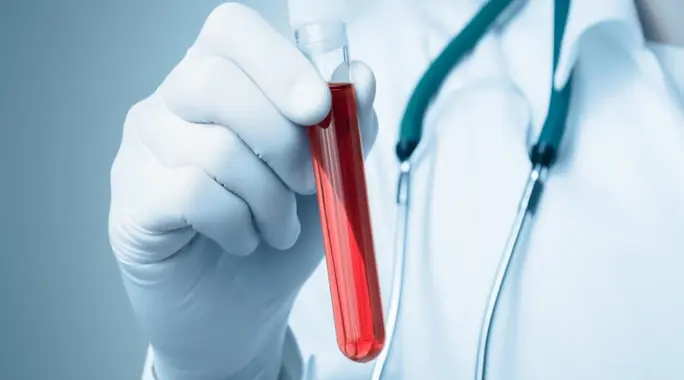
A Direct Bilirubin Test is a straightforward blood test. A trained nurse or phlebotomist will draw a small blood sample, usually from a vein in your arm, using a sterile needle. They will then send the sample to a laboratory for analysis.
Typically, no special preparation is required before this test. However, you should always inform your doctor about any medications, supplements, or herbal remedies you are taking, as well as your activity levels and diet. These factors can sometimes influence test results.
Interpreting Your Direct Bilirubin Results
Understanding what your direct bilirubin levels mean is essential for assessing your liver health. Your healthcare provider will interpret your results in the context of your overall health, symptoms, and other diagnostic tests.
Normal Direct Bilirubin Levels
For most adults, normal direct bilirubin levels are typically less than 0.3 milligrams per deciliter (mg/dL). It’s important to remember that normal ranges can vary slightly between different laboratories, so always refer to the specific reference range provided with your test results.
What High Direct Bilirubin Levels Indicate
If your direct bilirubin levels are elevated, it usually signals a problem with your liver’s ability to excrete bilirubin after it has been processed. This indicates an issue with bile flow or conditions affecting the liver cells themselves.
High direct bilirubin levels often manifest as jaundice, a yellowing of the skin and eyes, because the bilirubin accumulates in the body’s tissues instead of being eliminated.
Conditions Associated with Elevated Direct Bilirubin
Several medical conditions can lead to an increase in direct bilirubin levels. These include:
- Biliary Obstruction: Conditions like gallstones or tumors in the head of the pancreas can block bile ducts, preventing bile (and direct bilirubin) from leaving the liver.
- Liver Diseases: Various liver conditions, such as hepatitis (viral hepatitis A, B, or C), cirrhosis, or liver tumors, impair the liver’s ability to excrete direct bilirubin effectively.
- Sarcoidosis: This chronic inflammatory disease can affect various organs, including the liver, leading to elevated bilirubin.
- Genetic Disorders: Rare conditions like Dubin-Johnson syndrome affect the liver’s ability to transport conjugated bilirubin out of the liver cells.
- Autoimmune Diseases: Certain autoimmune conditions can target liver cells, leading to inflammation and impaired bilirubin excretion.
- Medication Side Effects: Some medications can cause drug-induced liver injury, resulting in increased direct bilirubin.
- Pregnancy and Parenteral Nutrition: In some cases, pregnancy or prolonged intravenous feeding (parenteral nutrition) can affect bilirubin metabolism.
- Alcohol-Related Liver Damage: Chronic alcohol abuse severely damages the liver, impacting its ability to process and excrete bilirubin.
When Should You Get a Direct Bilirubin Test?
Your doctor might order a direct bilirubin test if you exhibit symptoms or have risk factors for liver or bile duct issues. Common reasons for testing include:
- Symptoms of Jaundice: Yellowing of the skin or whites of the eyes.
- Signs of Liver Disease: Abdominal pain or swelling, nausea, vomiting, fatigue, dark urine, or clay-colored stools.
- Anemia: A low red blood cell count, which can indicate increased red blood cell breakdown.
- Suspected Drug Reaction: If you are taking medications known to affect liver function.
- Alcohol Abuse: As part of monitoring liver health in individuals with a history of heavy alcohol consumption.
- History of Hepatitis or Cirrhosis: To monitor the progression of these liver conditions.
When assessing liver function, healthcare providers often order the Direct Bilirubin Test as part of a broader panel of blood tests to get a comprehensive picture:
- Liver Function Tests (LFTs): These measure levels of various enzymes (like ALT, AST, ALP) and proteins that indicate liver health and damage.
- Total Bilirubin: Measures both direct and indirect bilirubin, allowing for a more complete understanding of bilirubin metabolism.
- Albumin and Total Protein: Albumin is a protein produced by the liver, and its levels can indicate liver synthetic function.
- Complete Blood Count (CBC): This test evaluates different components of your blood, including red blood cells, which helps in diagnosing conditions like anemia.
- Prothrombin Time (PT): This test measures how long it takes for your blood to clot, which can be affected by liver disease.
Conclusion
The Direct Bilirubin Test is a vital diagnostic tool that offers significant insights into your liver’s health and the functioning of your bile ducts. By measuring conjugated bilirubin, this test helps identify potential issues with bilirubin excretion, which can point to various liver diseases or obstructions. If you receive abnormal results, it’s crucial to discuss them thoroughly with your healthcare provider. They will help you understand the implications of your results and guide you toward appropriate diagnosis and management.