



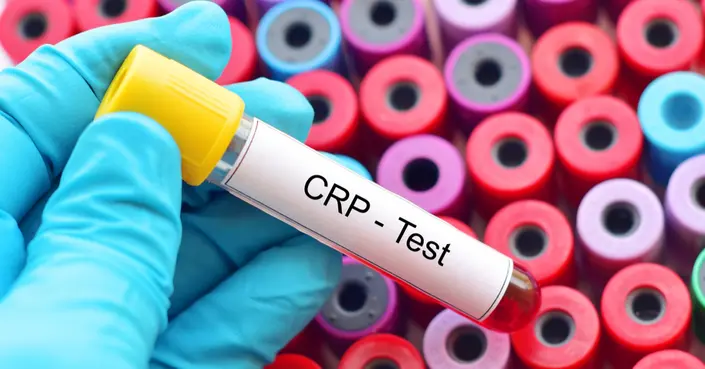
The C-reactive protein (CRP) test is a common blood test that helps healthcare providers detect inflammation in your body. When your body experiences inflammation, whether from an infection, injury, or chronic disease, your liver produces more CRP. Understanding what elevated CRP levels signify is crucial for assessing your health. This article explores the various causes of high CRP, how different factors can influence your results, and what you can do to manage them.
Table of Contents
- What Are Elevated CRP Levels?
- Causes of Mildly Elevated CRP (3-10 mg/L)
- Causes of Moderately to Severely Elevated CRP (>10 mg/L)
- Factors Influencing CRP Test Results
- The Link Between CRP and Health Risks
- Actionable Steps to Lower CRP Levels
What Are Elevated CRP Levels?
C-reactive protein is a type of protein produced by the liver in response to inflammation. Typically, healthy individuals have very low levels of CRP in their blood. An elevated CRP level indicates that there’s inflammation somewhere in the body, but it doesn’t pinpoint the exact cause or location. It acts as a general marker for inflammatory processes.
Healthcare professionals categorize elevated CRP levels into different ranges: mild, moderate, and severe. Each range can suggest different underlying conditions, from lifestyle factors to serious infections or chronic diseases.
Causes of Mildly Elevated CRP (3-10 mg/L)
Mildly elevated CRP levels, typically ranging from 3 to 10 milligrams per liter (mg/L), often point to chronic, low-grade inflammation. These elevations are commonly associated with various lifestyle factors and ongoing health conditions. It’s important to understand these potential contributors:
- Smoking: Regular smoking is a significant inflammatory trigger that can lead to persistently elevated CRP.
- Obesity: Excess body fat, especially around the abdomen, is metabolically active and can release inflammatory substances, contributing to higher CRP.
- Lack of Physical Activity: A sedentary lifestyle can exacerbate inflammation throughout the body. Regular exercise, conversely, can help reduce CRP levels.
- Chronic Diseases: Conditions like type 2 diabetes and chronic high blood pressure are often associated with low-grade systemic inflammation, which can elevate CRP levels.
Causes of Moderately to Severely Elevated CRP (>10 mg/L)
When CRP levels rise above 10 mg/L, reaching moderate to severe elevations (and often exceeding 100 mg/L in severe cases), it typically signals a more significant inflammatory response. These higher readings often point to acute infections or more serious underlying health issues that require prompt medical attention.
Potential causes include:
- Bacterial Infections: Acute bacterial infections in various parts of the body, such as the lungs, urinary tract, digestive system, skin, or bones, can cause a sharp increase in CRP.
- Sepsis: This life-threatening condition, resulting from the body’s extreme response to an infection, leads to very high CRP levels in both adults and newborns.
- Viral or Fungal Infections: While often less dramatic than bacterial infections, severe viral or fungal infections can also significantly elevate CRP.
- Pelvic Inflammatory Disease (PID): An infection of the female reproductive organs, PID can cause significant inflammation and a corresponding rise in CRP.
- Chronic Inflammatory Bowel Disease (IBD): Conditions like Crohn’s disease and ulcerative colitis, characterized by chronic inflammation of the digestive tract, can lead to elevated CRP.
- Autoimmune Diseases: Inflammatory autoimmune conditions such as lupus, rheumatoid arthritis, and vasculitis (inflammation of blood vessels) are known to cause persistently high CRP.
- Organ Rejection: Following organ transplantation, especially kidney transplants, the body’s rejection of the new organ triggers a strong inflammatory response and elevated CRP.
- Burns: Extensive burns cause widespread tissue damage and a significant inflammatory reaction, leading to high CRP levels.
- Heart Attack: A heart attack involves tissue damage to the heart muscle, prompting an acute inflammatory response that elevates CRP.
- Certain Cancers: Some types of cancer can induce systemic inflammation, resulting in elevated CRP levels.
Factors Influencing CRP Test Results
The CRP test is a general marker of inflammation, meaning it rises in response to various inflammatory triggers without specifying the cause. Several factors can influence the accuracy and interpretation of your CRP results. Understanding these can help you and your doctor get a clearer picture of your health.
Medications and CRP
Certain medications can impact CRP levels. For example, statins (used to lower cholesterol) and non-steroidal anti-inflammatory drugs (NSAIDs) can suppress inflammation, leading to artificially lower CRP readings. This can potentially mask an underlying inflammatory process that would otherwise show up as elevated CRP.
Minor Infections or Injuries
Even minor injuries, such as cuts, or mild microbial infections can cause a temporary rise in CRP. This temporary elevation might obscure a more significant underlying condition, such as chronic diabetes or inflammatory bowel disease. Conversely, an existing chronic illness could mask the inflammatory response from a new, acute infection.
Hormonal Changes and CRP
Estrogen levels play a role in CRP production. Women taking oral contraceptives or hormone replacement therapy containing estrogen may experience higher CRP levels as a result. This is an important consideration when interpreting CRP results in women.
Pregnancy and CRP
Pregnancy naturally causes an increase in CRP levels, particularly in the later stages. This physiological change means that an elevated CRP during pregnancy is often a normal finding and does not necessarily indicate an underlying pathology.
The Link Between CRP and Health Risks
Beyond indicating acute inflammation, CRP levels can also serve as a predictive marker for certain health risks, most notably cardiovascular disease. Sustained elevated CRP levels, even within what might be considered a “mild” range, are often associated with an increased risk of heart-related issues.
- Low Risk: CRP levels below 1 mg/L generally suggest a lower risk of heart disease.
- Average Risk: Levels between 1 mg/L and 3 mg/L indicate an average risk.
- High Risk: CRP levels above 3 mg/L are linked to a higher risk of developing cardiovascular disease.
It’s important to remember that CRP is just one piece of the puzzle, and your doctor will consider it alongside other risk factors and clinical assessments.
Actionable Steps to Lower CRP Levels
Understanding the causes of elevated CRP levels empowers you to take proactive steps towards improving your health. Many lifestyle interventions can help reduce chronic inflammation and, consequently, lower your CRP levels, thereby potentially reducing your risk for various conditions:
- Engage in Regular Exercise: Consistent physical activity is a powerful anti-inflammatory. Aim for a combination of cardiovascular and strength training exercises.
- Adopt a Healthy, Balanced Diet: Focus on whole foods, including plenty of fruits, vegetables, lean proteins, and healthy fats. Limit processed foods, refined sugars, and unhealthy fats, which can promote inflammation.
- Quit Smoking: Smoking is a major contributor to systemic inflammation. Cessation can lead to significant reductions in CRP levels and overall health improvements.
- Manage Chronic Diseases: Diligently follow your doctor’s recommendations for managing conditions like diabetes or hypertension. Effective management can help control the underlying inflammation associated with these diseases.
Always discuss any concerns about your CRP levels or health conditions with your healthcare provider. They can offer personalized advice and treatment plans.
The C-reactive protein test provides valuable insights into your body’s inflammatory state. While elevated CRP levels are a sign of inflammation, understanding the specific causes, influencing factors, and potential health risks is key to interpreting your results accurately. By adopting healthy lifestyle habits and working closely with your doctor, you can effectively manage inflammation and support your overall well-being.