


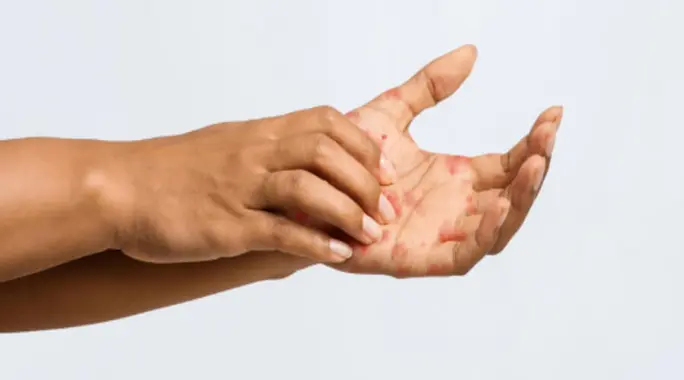
Eczema, also known as atopic dermatitis, is a common skin condition affecting millions worldwide. Characterized by itchy, red, and dry skin, it can significantly impact quality of life. While not contagious, its chronic nature means symptoms can flare up and subside over time. Understanding what causes eczema and its various forms is crucial for effective management.
This comprehensive guide delves into the underlying causes, explores the different types of eczema, and identifies common triggers to help you navigate this challenging condition.
Table of Contents
- Understanding Eczema Causes
- Exploring the Types of Eczema
- Common Symptoms of Eczema
- Identifying Eczema Triggers
- Managing Eczema Effectively
Understanding Eczema Causes
While the exact cause of eczema often remains elusive, it typically stems from a complex interplay of genetic predispositions and environmental factors. Several key elements contribute to its development and severity.
Genetic Factors
Many individuals with atopic dermatitis possess genetic variations that impact the skin’s barrier function. This weakened barrier struggles to retain moisture and defend against irritants, allergens, and bacteria, making the skin more susceptible to dryness and inflammation.
Skin Bacteria Imbalance
An imbalance in the skin’s microbiome, particularly the overgrowth of certain bacteria like Staphylococcus aureus, can disrupt the skin barrier’s integrity. This shift can contribute to inflammation and worsen eczema symptoms.
Environmental Influences
Various environmental factors can either trigger eczema or exacerbate its symptoms. High temperatures and increased sweating are common culprits. This often explains the prevalence of eczema in hot, humid climates, where heat and moisture can irritate sensitive skin.
Exploring the Types of Eczema
Eczema isn’t a single condition; it manifests in several distinct forms, and an individual might experience more than one type simultaneously. Identifying the specific type is essential for appropriate diagnosis and targeted treatment.
Endogenous Eczema (Internal Factors)
These types typically arise from internal body factors, often linked to a family history of allergies, asthma, or hay fever. They frequently appear in early childhood.
Seborrheic Dermatitis
This type affects oily areas of the body, such as the scalp, face (especially around the nose and ears), and chest. It causes red skin, greasy scales, and dandruff.
Dyshidrotic Eczema
Also known as pompholyx, this form causes small, itchy blisters to develop on the palms of the hands and soles of the feet.
Nummular Eczema
Characterized by coin-shaped, red, itchy, and scaly patches on the skin, often appearing on the arms, legs, and torso.
Exogenous Eczema (External Factors)
These forms of eczema develop as an immune system reaction when the skin comes into contact with irritating substances.
Allergic Contact Dermatitis
Occurs when the skin has prolonged or repeated contact with an allergen, leading to an immune response.
Irritant Contact Dermatitis
This type manifests rapidly after exposure to a harsh irritant, such as strong chemicals or solvents, causing immediate skin damage.
Common Symptoms of Eczema
The symptoms of eczema can vary depending on its type and severity, but general signs often include:
- Dry Skin: Persistent dryness is a hallmark symptom.
- Rashes: Red or brownish-gray patches, especially on the hands, feet, ankles, wrists, neck, upper chest, eyelids, inside the bend of the elbows and knees.
- Redness and Irritation: Inflamed areas that can be intensely itchy.
- Scaling and Crusting: Patches of skin may become scaly, ooze, or develop crusts.
- Intense Itching: Often worse at night, this can disrupt sleep and lead to further irritation from scratching.
- Thickened Skin: Chronic scratching can cause the skin to become thick, leathery, or discolored over time.
Identifying Eczema Triggers
While not causes, certain triggers can exacerbate eczema symptoms and lead to flare-ups. Individual reactions vary, but common culprits include:
- Heat and Sweating: Can irritate sensitive skin and worsen itching.
- Rough Fabrics: Wool or synthetic materials can rub against and irritate the skin.
- Cold and Dry Air: Strips the skin of its natural moisture, leading to dryness and cracking.
- Harsh Detergents and Soaps: Chemicals in cleaning products can strip natural oils from the skin.
- Pet Dander: Allergens from pets can trigger allergic reactions in some individuals.
- Certain Perfumes and Fragrances: Chemical additives can be highly irritating.
- Stress and Anxiety: While not a direct cause, emotional stress can significantly worsen eczema symptoms.
Managing Eczema Effectively
Living with eczema requires proactive management and understanding of your unique triggers and skin needs. Maintaining a consistent skincare routine, identifying and avoiding your personal triggers, and staying hydrated are crucial steps.
If you suspect you have eczema or if your symptoms are severe and persistent, it’s always best to consult a dermatologist. A healthcare professional can accurately diagnose your condition, determine the specific type, and recommend a personalized treatment plan to help you find relief and improve your quality of life.