
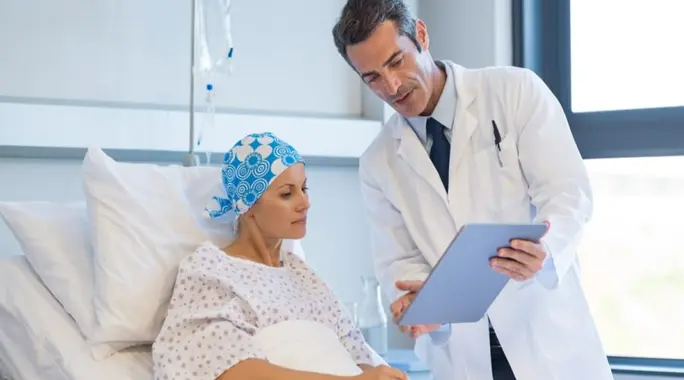
Facing a cancer diagnosis can feel overwhelming, but understanding the array of available treatments offers a crucial first step toward hope and healing. Cancer care has evolved significantly, offering more personalized and effective options than ever before. This guide will walk you through the different types of cancer treatments, from well-established methods to groundbreaking modern therapies, and help you understand what to expect.
The choice of treatment is highly individualized, depending on the cancer’s type and stage, the patient’s overall health, and potential side effects. While the journey can present challenges, a clear understanding of these options empowers you to make informed decisions with your healthcare team.
Table of Contents
- Traditional Cancer Treatments
- Modern and Advanced Cancer Treatments
- Potential Side Effects of Cancer Treatment
- Conclusion
Traditional Cancer Treatments
Traditional cancer treatments form the backbone of oncology, often serving as primary interventions or used in combination with newer therapies. These methods aim to eliminate cancer cells, control disease progression, or alleviate symptoms.
Surgical Therapy
Surgery stands as one of the oldest and most common treatments for many cancers, particularly solid tumors. A surgeon removes the cancerous tissue, and sometimes surrounding healthy tissue or lymph nodes, to ensure complete removal.
Surgeons may use different approaches for surgery. In some cases, it can cure the cancer if caught early. For advanced tumors, surgery might reduce the tumor’s size, making other treatments like chemotherapy more effective. Palliative surgery can also relieve pain or address issues caused by the tumor affecting other organs.
Chemotherapy
Chemotherapy involves using powerful drugs to kill fast-growing cells, including cancer cells. While effective, these drugs can also affect healthy rapidly dividing cells, leading to various side effects.
Doctors administer chemotherapy for several reasons. It can be a primary cure for certain blood-related cancers, such as leukemia and lymphomas. Neoadjuvant chemotherapy shrinks tumors before surgery, potentially making the operation easier or even possible. Adjuvant chemotherapy is given after surgery to destroy any remaining cancer cells and reduce the risk of recurrence.
Radiation Therapy
Radiation therapy uses high-energy X-rays or other particles to destroy cancer cells and shrink tumors. Significant technological advancements have made radiation treatments more precise, minimizing damage to surrounding healthy tissues.
Radiation can be delivered externally using a machine that directs radiation to the specific area. Alternatively, internal radiation (brachytherapy) involves placing a radioactive source directly inside or next to the tumor, either temporarily or permanently.
Hormone Therapy
Certain cancers, like breast, prostate, and some uterine cancers, rely on hormones to grow. Hormone therapy works by blocking these hormones or changing the body’s hormone levels to slow or stop cancer cell growth.
This treatment often involves medications that interfere with hormone production or block hormone receptors on cancer cells. By disrupting the hormonal signals, doctors can effectively manage hormone-sensitive cancers.
Modern and Advanced Cancer Treatments
Recent decades have seen a revolution in cancer care with the advent of targeted and immunotherapies. These innovative approaches offer more precise and often less toxic ways to fight cancer by leveraging specific biological pathways or the body’s own immune system.
Targeted Therapy
Targeted therapy uses drugs specifically designed to identify and attack cancer cells while causing less harm to normal cells. This precision makes it a crucial part of personalized cancer medicine.
There are two main types of targeted drugs. Small-molecule drugs can enter cancer cells and block proteins essential for their growth and survival. Monoclonal antibodies are lab-made antibodies that attach to specific targets on the surface of cancer cells, marking them for destruction or blocking their growth signals.
Immunotherapy
Immunotherapy harnesses the power of the body’s immune system to recognize and destroy cancer cells. This approach has shown remarkable success in treating various cancers by boosting the immune response.
Several types of immunotherapy exist. These include immune checkpoint inhibitors, which release the brakes on immune cells so they can attack cancer; T-cell therapies that enhance the anti-tumor activity of T-cells; and oncolytic virotherapy, which uses viruses to infect and kill cancer cells. Cancer vaccines and cytokines are also part of this innovative treatment landscape.
Potential Side Effects of Cancer Treatment
While cancer treatments are life-saving, they often come with a range of side effects. These can vary greatly depending on the type of treatment, the dosage, the individual’s health, and the specific cancer. Managing these side effects is a crucial part of comprehensive cancer care.
- Fatigue: A common and often debilitating side effect.
- Nausea and Vomiting: Frequently associated with chemotherapy.
- Hair Loss: A well-known side effect of certain chemotherapies.
- Appetite Loss: Can lead to weight loss and nutritional deficiencies.
- Anemia: A reduction in red blood cells, causing tiredness and weakness.
- Bleeding and Bruising: Due to low platelet counts, increasing the risk of hemorrhage.
- Constipation and Diarrhea: Common gastrointestinal disturbances.
- Infection: A weakened immune system increases susceptibility.
- Fertility Issues: Some treatments can impact reproductive health.
- Memory or Concentration Problems: Often referred to as “chemo brain.”
- Mouth and Throat Sores: Painful ulcers can make eating difficult.
- Peripheral Neuropathy: Numbness, tingling, or pain in the hands and feet.
- Lymphedema: Swelling due to fluid retention, often after lymph node removal.
Conclusion
The journey through cancer treatment is unique for everyone, marked by both challenges and triumphs. With a diverse and ever-growing arsenal of treatments, from established surgical and systemic therapies to cutting-edge targeted and immunotherapies, patients have more options than ever before. Understanding these treatments, along with their potential side effects, empowers you to navigate your care with confidence and hope. Always discuss your specific treatment plan and any concerns with your healthcare team to ensure the best possible outcomes.