



Are you considering a permanent solution for birth control? Tubal ligation, often known as “getting your tubes tied,” is a highly effective surgical procedure for women who wish to prevent future pregnancies. This comprehensive guide will walk you through everything you need to know about this important decision, helping you understand the process, its benefits, potential risks, and what to expect during recovery.
Table of Contents
- Understanding Tubal Ligation: What It Is
- Key Benefits of Tubal Ligation
- Potential Risks and Considerations
- What to Expect After Tubal Ligation: Recovery Tips
- Making Your Decision: Is Tubal Ligation Right for You?
Understanding Tubal Ligation: What It Is
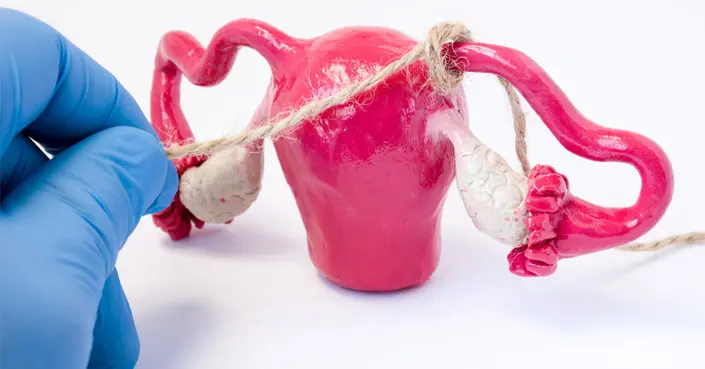
Tubal ligation is a form of female sterilization designed for permanent birth control. Surgeons perform this procedure by intentionally blocking, cutting, tying, sealing, or removing parts of the fallopian tubes. This action effectively prevents eggs from traveling from the ovaries to the uterus and also stops sperm from reaching the eggs, thus making pregnancy impossible.
How the Procedure Works
A surgeon can perform tubal ligation as a standalone procedure or in conjunction with a C-section delivery. During the operation, the physician makes small incisions, typically in the lower abdomen, to access the fallopian tubes. The specific technique varies, but the core principle remains the same: to create a permanent barrier within the fallopian tubes.
This barrier ensures that an egg, once released from the ovary, cannot traverse the fallopian tube to meet sperm for fertilization. Consequently, without fertilization and implantation in the uterus, pregnancy cannot occur.
Key Benefits of Tubal Ligation
Choosing tubal ligation offers several significant advantages for women seeking a permanent birth control method. These benefits often contribute to a sense of control and freedom regarding reproductive choices.
Permanent and Highly Effective Contraception
One of the primary benefits of tubal ligation is its permanent effect. If you are certain you do not desire future pregnancies, this procedure eliminates the need for daily birth control pills, patches, or other temporary methods. Its high effectiveness provides peace of mind, allowing you to live without the constant concern of unintended pregnancy.
No Hormonal Side Effects
Unlike hormonal contraceptives such as birth control pills or some IUDs, tubal ligation does not interfere with your body’s natural hormone production. This means you will not experience common hormonal side effects like mood swings, weight fluctuations, headaches, or changes to your menstrual cycle. Your periods will typically continue as usual after recovery.
Potential Reduction in Ovarian Cancer Risk
Emerging research suggests that tubal ligation might offer a significant added health benefit: a reduced risk of ovarian cancer. While scientists are still investigating the exact mechanisms behind this protective effect, studies indicate a noticeable decrease in incidence among women who have undergone the procedure. This potential benefit can be an important factor for some individuals.
Potential Risks and Considerations
While generally safe and effective, tubal ligation is a surgical procedure that carries some inherent risks. Understanding these potential complications is crucial before making your decision.
Surgical and Anesthesia Risks
As with any surgery requiring general anesthesia, there’s a small risk of adverse reactions to the anesthetic. Furthermore, during the procedure, there’s a slight possibility of damage to surrounding organs, such as the bladder, intestines, or blood vessels. Your surgical team will take every precaution to minimize these risks.
Post-Operative Complications
After the surgery, some women may experience complications like infection at the incision sites or improper wound healing. Persistent pelvic or abdominal pain, though rare, can also occur. Following your doctor’s post-operative instructions carefully can significantly reduce these chances.
Rare Risk of Failure and Ectopic Pregnancy
While highly effective, tubal ligation is not 100% foolproof. Roughly 1 in 100 women may still become pregnant within the first year after the procedure, with this likelihood potentially increasing for younger women. In the rare event of pregnancy after tubal ligation, there is an increased risk of an ectopic pregnancy, where the fertilized egg implants outside the uterus, most commonly in a fallopian tube. Ectopic pregnancies require immediate medical attention.
It’s also important to note that reversing tubal ligation is a complex and often unsuccessful procedure, reinforcing its permanent nature.
What to Expect After Tubal Ligation: Recovery Tips
Proper care during your recovery period is essential for a smooth healing process. Your doctor will provide specific instructions, but here are some general guidelines to help you manage your post-operative period.
Recovery and Activity Guidelines
Prioritize rest in the days following your surgery. Avoid lifting heavy objects for at least the first week to prevent strain on your incisions. While most wounds heal within a week, gradually reintroduce your daily activities and listen to your body’s signals for when to resume normal routines.
Wound Care and Hygiene
Maintaining cleanliness and dryness around the surgical site is paramount to prevent infection. Follow your healthcare provider’s precise instructions for cleaning and dressing your wounds. Avoid taking baths until your doctor gives you clearance; showers are usually permitted once the incisions are well-sealed.
Resuming Intimacy
It is crucial to refrain from sexual activity until your doctor explicitly approves it. This typically occurs after your follow-up appointment, once they confirm your healing progress and ensure there are no complications.
Making Your Decision: Is Tubal Ligation Right for You?
Tubal ligation is a significant and life-altering decision that offers permanent control over your reproductive future. It provides highly effective, hormone-free birth control with the potential added benefit of reducing ovarian cancer risk. However, it also involves surgical risks and the rare possibility of failure.
Ultimately, the decision to undergo tubal ligation is a personal one. We encourage you to have a thorough discussion with a trusted healthcare professional. They can evaluate your individual health profile, discuss your family planning goals, and help you determine if tubal ligation is the most suitable option for you.