


When you suffer a burn, especially a minor one, the immediate instinct is often to reach for a quick fix. Many common household remedies circulate, and among them, the idea of treating burns with flour has gained popularity. But is this traditional remedy truly safe and effective, or could it cause more harm than good? Let’s uncover the truth about using flour for burns and equip you with the best practices for treating minor burns at home.
Table of Contents
Is Flour a Safe Burn Remedy?
For centuries, and even as recently as a hundred and fifty years ago, some medical professionals actually recommended treating burns with flour. The logic, as outdated as it seems now, was that it might offer some form of coating or protection. However, as medical science advanced, these notions lost credibility. Today, we understand that applying flour to a burn is not only ineffective but can also be quite dangerous.
Why You Shouldn’t Use Flour on Burns
The primary danger of applying flour immediately after a burn is its ability to trap heat. When skin burns, it continues to hold onto heat, worsening the damage. The priority in burn first aid is to cool the affected area rapidly to normal body temperature.
Applying flour creates an insulating layer that prevents the heat from dissipating. This can increase the burn’s depth and severity, delaying the healing process. Furthermore, flour is not sterile and can introduce bacteria to the open wound, raising the risk of infection. There is no scientific evidence to support the claim that flour provides any benefit in treating burns.
Understanding First-Degree Burns
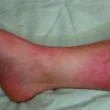
Most minor burns you encounter, especially while cooking, are first-degree burns. These burns affect only the outermost layer of the skin and typically do not require emergency medical attention, making them suitable for home treatment. Recognizing a first-degree burn is crucial for proper care.
- Superficial Appearance: The burn resembles a mild sunburn.
- Pain: You will experience pain, often mild to moderate.
- Redness: The affected skin appears red.
- Swelling: Slight swelling may occur.
- Blisters: Sometimes small blisters might form, although large, fluid-filled blisters are more typical of second-degree burns.
- Size: Generally, first-degree burns are small, with a diameter of less than eight centimeters.
Effective First Aid for Minor Burns
Knowing how to properly treat a first-degree burn at home can significantly reduce pain and prevent complications. Follow these steps for effective care:
Immediate Cooling is Key
- Cool the Burn: Immediately place the burned area under cool (not ice-cold) running water for at least 10-20 minutes. This helps to reduce the skin’s temperature and minimize damage.
- Remove Jewelry: Gently remove any rings, watches, or tight clothing from the burned area before swelling begins.
Protect and Soothe the Burn
- Do Not Pop Blisters: If small blisters form, leave them intact. They act as a natural sterile dressing, protecting the wound from infection. If a blister breaks accidentally, gently clean the area with mild soap and water, then apply a thin layer of antibiotic ointment and cover it with a sterile dressing.
- Moisturize: Once the burn has cooled completely, apply a moisturizing lotion or aloe vera gel. This helps to prevent dryness, reduce pain, and promote healing.
- Cover the Burn: Gently cover the burn with a sterile, non-adhesive bandage. Avoid applying too much pressure. The bandage helps protect the area from bacteria and can also alleviate pain by shielding sensitive nerve endings.
- Manage Pain: If you experience significant pain, over-the-counter pain relievers such as ibuprofen or paracetamol can help.
When to Seek Medical Attention
While first-degree burns are treatable at home, always seek medical attention for larger, deeper, or more painful burns. If you notice signs of infection, such as increased redness, swelling, pus, or fever, consult a healthcare professional. Also, seek help if the burn involves the face, hands, feet, joints, or genitals, or if you are unsure about the burn’s severity.
In conclusion, while the idea of treating burns with flour might persist in popular lore, it is a practice that can hinder healing and potentially cause further complications. Always prioritize proven first-aid methods: cool the burn, protect the skin, and soothe the discomfort. Your skin deserves the best care to heal effectively and safely.