
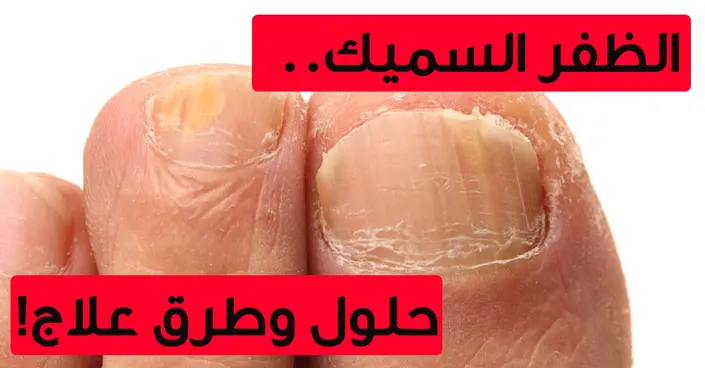
Do your nails look unusually thick, discolored, or brittle? Thick nails, medically known as onychauxis, can affect both your fingernails and toenails. While often starting subtly, this condition can progress, leading to discomfort, pain, and even serious complications if left unaddressed. Understanding the underlying causes is the first step toward finding effective relief and restoring your nail health.
Table of Contents
- Understanding Thick Nails
- Why Do Nails Thicken? Common Causes
- Treating Thick Nails: Effective Solutions
- When to See a Doctor
- Conclusion
Understanding Thick Nails
Thick nails can be more than just a cosmetic concern; they often signal an underlying issue that requires attention. Initially, you might barely notice the change, but over time, your nails can become noticeably thicker, harder, and may even take on an unusual appearance. This condition can make simple tasks like trimming your nails challenging and uncomfortable.
How Thick Nails Appear: Symptoms and Visual Changes
As thick nails develop, you might observe several tell-tale signs. Early symptoms include nails that feel unusually brittle or soft, surprisingly easy to lift from the nail bed. Some individuals also notice a foul odor emanating from the affected area, indicating a potential infection.
With progression, the nail becomes significantly thicker, often developing cracks, ridges, or a flaky surface. Its color can shift dramatically, turning yellow, green, or even brown. Debris and dirt may accumulate more easily underneath the thickened nail, and you might experience pain in the nail area, especially when wearing shoes or applying pressure.
Why Do Nails Thicken? Common Causes
Several factors contribute to nail thickening, ranging from simple infections to more complex medical conditions. Identifying the specific cause is crucial for effective treatment.
Fungal Nail Infections (Onychomycosis)
Fungal infections are among the most common culprits behind thick nails. Onychomycosis, a specific type of fungal infection, thrives in warm, moist environments like those found beneath nails. This makes nails a prime breeding ground for fungi, which can spread and multiply rapidly.
You can significantly reduce your risk of fungal nail infections by following a few simple rules. Always wear protective footwear in public areas such as communal showers and swimming pools. Additionally, ensure your shoes remain dry and air them out regularly.
Certain individuals face a higher risk of developing fungal nail infections. This includes those with athlete’s foot, people constantly exposed to moisture, individuals who wear tight-fitting shoes, and smokers. A weakened immune system or chronic conditions like psoriasis, poor circulation, and diabetes also increase susceptibility.
Nail Trauma and Injuries
Physical injury or repeated trauma to the nail can also lead to thickening. This often occurs when a nail experiences a specific bruise or recurring stress. Athletes, especially soccer players, frequently encounter this issue due to repeated impact.
Furthermore, individuals who regularly wear shoes that are too small for their feet often experience this type of trauma. The constant pressure and friction can damage the nail bed, prompting the nail to thicken as a protective response.
Yellow Nail Syndrome
Yellow Nail Syndrome is a rare condition that causes nails on both fingers and toes to thicken, curve, and turn yellow. Along with nail changes, affected individuals often experience respiratory problems and swelling in their hands and feet.
While the exact cause of Yellow Nail Syndrome remains unclear to scientists, many researchers believe it has a genetic component. Despite its rarity, recognizing the associated symptoms is important for diagnosis.
Psoriasis Affecting Nails
Psoriasis is an autoimmune disease characterized by red, scaly patches on the skin. This condition often extends to the nails, causing what is known as nail psoriasis. When psoriasis affects your nails, you will typically observe specific changes that lead to thickening.
Common signs of nail psoriasis include pitting on the nail surface, where small indentations appear. The nail may also become noticeably softer and, in severe cases, can detach entirely from the nail bed, causing significant discomfort.
Paronychia (Nail Fold Infection)
Paronychia, an infection of the skin around the nail, causes redness and swelling in the affected area. Over time, this condition can contribute to the thickening of both fingernails and toenails. Individuals with paronychia might also notice their nails beginning to peel.
Several factors increase your risk of developing paronychia. These include excessive cleaning of the cuticles, frequent exposure to water or dirty dishes, and professions that involve prolonged wet work, such as cleaning, cooking, nursing, or fishing.
Aging and Nail Thickness
In many cases, thick nails simply develop as a natural part of the aging process. This phenomenon typically affects toenails more often than fingernails. Medical experts suggest that as we age, our body’s cells become less efficient at regenerating themselves, leading to changes in nail structure.
Unfortunately, age-related nail thickening often lacks a definitive cure. However, regular filing and trimming can significantly improve the nail’s appearance and manage its thickness, making it easier to live with.
Treating Thick Nails: Effective Solutions
The most effective treatment for thick nails directly depends on their underlying cause. While age-related thickening may not have a cure, many other causes are treatable once properly identified.
Medical Treatment Approaches
If an underlying medical condition is causing your thick nails, a doctor may prescribe specific medications or topical creams. For instance, psoriasis-related nail thickening often responds to specialized treatments targeting the autoimmune response. In cases of severe fungal infections, total nail removal might be necessary to eradicate the fungus and allow a healthy nail to grow. Laser therapy also offers an advanced option for certain conditions.
Home Care and Prevention Strategies
You can adopt several home care practices to manage and prevent thick nails. Regularly trim and file your nails to keep them manageable, especially if they are age-related. Maintain excellent foot hygiene by washing your feet daily and drying them thoroughly, particularly between the toes.
To prevent fungal infections, avoid walking barefoot in public damp areas. Always wear clean, dry socks, and choose breathable footwear that fits well without being too tight. If you suspect an infection or have chronic conditions like diabetes, regularly inspect your nails for any changes and address them promptly.
When to See a Doctor
While some instances of thick nails are minor, others warrant professional medical attention. You should consult a doctor if your thick nails are causing significant pain, if they show signs of infection like redness, swelling, or pus, or if they rapidly worsen. If home remedies are ineffective, or if you have underlying health conditions like diabetes or a weakened immune system, seeking medical advice is especially important to prevent complications.
Conclusion
Thick nails can stem from various causes, including fungal infections, trauma, medical conditions like psoriasis or Yellow Nail Syndrome, and the natural aging process. While symptoms range from discoloration to pain, understanding the root cause is key to effective management. Whether through medical treatments or consistent home care, addressing thick nails promptly helps maintain healthy, comfortable hands and feet.