
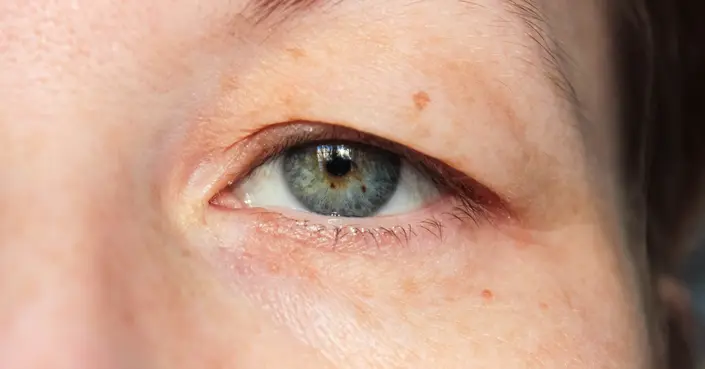
Have you ever woken up to find one or both of your eyelids looking a little droopy? This condition, known as temporary eyelid ptosis, can be concerning. While often harmless and fleeting, it’s natural to wonder about its causes, symptoms, and whether treatment is necessary.
This comprehensive guide will explore what temporary eyelid ptosis is, why it occurs, and how you can manage or treat it effectively. Understand your eyes better and learn when to seek professional advice.
Table of Contents
- What is Temporary Eyelid Ptosis?
- Recognizing the Symptoms of Temporary Eyelid Ptosis
- Common Causes of Transient Droopy Eyelids
- Botox and Eyelid Ptosis: Understanding the Link
- Effective Treatments for Temporary Eyelid Droop
- Home Remedies and Lifestyle Tips for Droopy Eyelids
- When to Seek Medical Advice
- Conclusion
What is Temporary Eyelid Ptosis?
Temporary eyelid ptosis, often simply called a droopy eyelid, occurs when your upper eyelid sags or hangs lower than its usual position. While the lower eyelid is also crucial, the term “ptosis” typically refers to the upper lid.
This condition can affect one eye or both. In some severe cases, the drooping eyelid might cover a significant part of your pupil, potentially obstructing your vision. However, it’s important to note that many instances of eyelid ptosis are temporary and resolve on their own.
Beyond aesthetics, your eyelids play vital roles in protecting your eyes. They shield them from foreign objects, control the amount of light entering, and help keep your eyes moisturized by distributing tears. When an eyelid droops, these functions can be compromised.
Recognizing the Symptoms of Temporary Eyelid Ptosis
The most obvious symptom of temporary eyelid ptosis is the visible drooping of one or both upper eyelids. Depending on the severity, this can range from a subtle sag to a noticeable obstruction of your vision.
Beyond the visual change, you might experience other signs. Some individuals report a feeling of dryness or excessive tearing in their eyes. You may also notice general fatigue around the eyes or an overall tired appearance in your face.
In more pronounced cases, you might unconsciously tilt your head back or raise your eyebrows to try and see more clearly. While many cases are mild and resolve quickly, persistent or worsening droopiness warrants attention, especially if accompanied by other concerning symptoms.
Common Causes of Transient Droopy Eyelids
Several factors can lead to temporary eyelid ptosis. Understanding these causes helps in identifying the best course of action. Here are some of the most common reasons your eyelid might temporarily droop:
- Trauma: A direct blow or injury to the head or eye area can cause temporary nerve or muscle damage, leading to ptosis.
- Nutritional Deficiencies: Lack of certain nutrients can sometimes impact nerve and muscle function, though this is less common for isolated ptosis.
- Aging: As we age, the skin around the eyelids can lose elasticity, and the muscles responsible for lifting the eyelids can weaken, leading to senile ptosis.
- Cataract Surgery: Sometimes, the manipulation during cataract surgery can temporarily affect the eyelid muscles or nerves.
- Muscle Weakness: Conditions that weaken the levator muscle, which lifts the upper eyelid, can cause it to droop.
- Nerve Damage: Damage to the nerves that control eyelid muscles, often due to injury, inflammation, or underlying conditions, can result in ptosis.
- Skin Laxity: Excess loose skin around the eyelids (dermatochalasis) can mimic ptosis or contribute to its appearance.
- Lifestyle Factors: Excessive alcohol consumption and smoking can negatively impact overall health, including muscle and nerve function. Prolonged sun exposure can also contribute to skin damage.
- Eyelid Tumors or Swelling: Any growth or significant swelling on or around the eyelid can mechanically cause it to droop.
- Neurological Conditions: Certain neurological disorders, like Horner’s syndrome, migraine, or even certain types of headaches, can manifest with temporary ptosis.
- Eye Trauma: Direct injury to the eye itself can sometimes impact eyelid function.
- Botox Injections: Incorrect placement or diffusion of Botox can temporarily affect eyelid muscles.
Botox and Eyelid Ptosis: Understanding the Link
Botox (Botulinum Toxin) injections are popular cosmetic treatments used to temporarily paralyze facial muscles, reducing the appearance of wrinkles and fine lines. By relaxing these muscles, the skin appears smoother and more youthful.
However, an unintended side effect of Botox can be temporary eyelid ptosis. This occurs if the Botox solution migrates or is injected too close to the muscles that control the upper eyelid. When these muscles are inadvertently affected, the eyelid can droop.
While the effects of Botox typically last three to seven months, temporary eyelid ptosis caused by Botox is usually much shorter-lived, often resolving within six weeks. Healthcare providers may recommend specific eye drops to accelerate recovery or, in some cases, administer additional Botox to surrounding areas to help balance the muscle action and correct the droop more quickly.
Effective Treatments for Temporary Eyelid Droop
Treating temporary eyelid ptosis often involves addressing the underlying cause. A healthcare professional can accurately diagnose the root issue and recommend the most appropriate treatment plan.
Targeting Underlying Conditions
If medical conditions like diabetes or thyroid disorders contribute to ptosis, managing these conditions effectively can lead to an improvement in eyelid droop. This emphasizes the importance of a thorough medical evaluation.
Managing Allergies
For ptosis triggered by allergic reactions, avoiding the specific allergens is crucial. This helps reduce inflammation and swelling that might cause the eyelid to droop, bringing relief to the eyes.
Support for Muscle and Nerve Issues
When the ptosis stems from issues with the surrounding muscles or nerves, simple remedies like applying a cold compress or an ice pack to the affected eyelid and eye area for several minutes can be surprisingly beneficial. This can help reduce swelling and inflammation, providing temporary relief.
Home Remedies and Lifestyle Tips for Droopy Eyelids
Beyond medical treatments, several home remedies and lifestyle adjustments can help manage or alleviate temporary eyelid ptosis symptoms. These natural approaches often focus on reducing inflammation, strengthening muscles, and supporting overall eye health.
- Chamomile Compresses: Apply cool chamomile tea bags to your eyelids. Chamomile is known for its anti-inflammatory properties and can help soothe the eyes. Drinking chamomile tea may also contribute to overall relaxation and well-being.
- Acupuncture: For ptosis linked to muscle or nerve weakness, acupuncture might be a beneficial complementary therapy. It aims to stimulate specific points to restore energy balance and improve function.
- Vitamin B12 Supplementation: If a nutritional deficiency is suspected, especially one impacting nerve health, discuss Vitamin B12 supplementation with your doctor.
- Eyelid Exercises: Gentle, daily exercises designed to strengthen the eyelid muscles may help improve their tone and lift. Consult an eye care professional for appropriate exercises.
- Beta-Carotene Rich Foods: Incorporate foods high in beta-carotene (found in carrots, sweet potatoes, spinach) into your diet. Beta-carotene is a precursor to Vitamin A, essential for good vision and eye health.
- Lutein-Rich Foods: Foods rich in lutein (like leafy greens, eggs, corn) are beneficial for eye health, offering antioxidant protection.
- Avoid Eye Strain: Give your eyes regular breaks, especially during prolonged screen time or reading. Reducing eye strain can prevent further fatigue and support recovery.
When to Seek Medical Advice
While many cases of temporary eyelid ptosis resolve on their own, it’s crucial to know when to seek professional medical advice. You should consult a doctor if:
- The eyelid droop persists for an extended period or worsens over time.
- You experience sudden onset of ptosis, especially if accompanied by double vision, severe headache, eye pain, or weakness in other parts of your face or body.
- The droop significantly obstructs your vision.
- You have other underlying conditions, such as migraines, unexplained muscle weakness, or neurological symptoms that might be linked to the ptosis.
Early diagnosis and treatment of the underlying cause can prevent potential complications and ensure your eye health.
Conclusion
Temporary eyelid ptosis, or a transient droopy eyelid, can be a minor annoyance or a sign of an underlying issue. By understanding its causes, recognizing symptoms, and exploring available treatments and home remedies, you can approach this condition with confidence.
Remember to prioritize your eye health and consult a healthcare professional if you have persistent concerns or experience sudden, severe symptoms. Taking proactive steps ensures you maintain clear vision and healthy, vibrant eyes.