


A sudden bump or a red, painful lump on your eyelid can be alarming. This unwelcome visitor is often a stye, a common infection affecting the tiny oil glands or hair follicles around your eyes. While generally not serious, a stye can cause significant discomfort and irritation, making everyday activities a challenge. Understanding what causes a stye, how to recognize its symptoms, and the most effective ways to treat it can help you find relief quickly and prevent further complications.
Table of Contents:
- What is a Stye?
- What Causes Eyelid Styes?
- Identifying Stye Symptoms
- How Doctors Diagnose a Stye
- Treating an Eyelid Stye Effectively
- When to Seek Medical Attention for a Stye
What is a Stye?
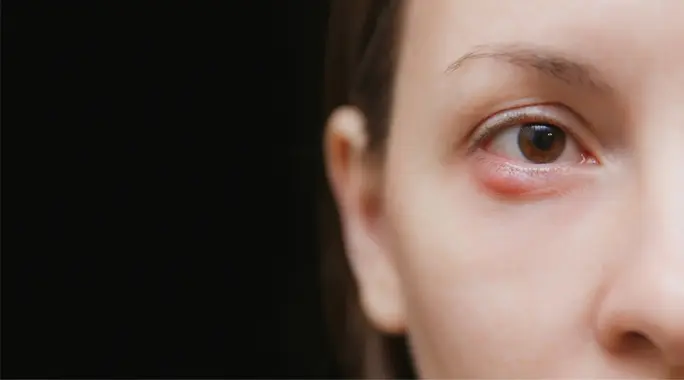
A stye, medically known as a hordeolum, is an acute bacterial infection of an oil gland or hair follicle on the eyelid. It typically appears as a red, tender, pus-filled bump or swelling, similar to a pimple. While it can form on either the upper or lower eyelid, a stye usually resolves on its own within a few days to a week.
However, an untreated or persistent stye can sometimes lead to a chalazion, which is a painless, firm lump resulting from a blocked oil gland. Although styes are generally benign, they can be quite painful and irritating, interfering with vision and comfort.
Types of Eyelid Styes
Doctors classify styes into two primary categories based on their location:
- External Stye: This type develops on the outside of the eyelid, typically at the base of an eyelash. It forms when the eyelash follicle becomes infected.
- Internal Stye: An internal stye grows inside the eyelid, often deeper within the oil-producing glands (Meibomian glands) that line the inner surface of the eyelid. These tend to be more painful than external styes because of their location.
What Causes Eyelid Styes?
Styes primarily occur due to a bacterial infection, most commonly by Staphylococcus aureus bacteria. While these bacteria are naturally present on your skin, an overgrowth or specific conditions can lead to an infection. The infection often starts when a tiny oil gland or hair follicle on your eyelid becomes blocked.
This blockage can stem from various factors, including the accumulation of dead skin cells, thickened oil secretions from the glands, or even residue from makeup or environmental dust. Once blocked, the trapped bacteria begin to multiply, leading to inflammation, redness, and the formation of the characteristic painful lump.
Who is at Risk?
Several factors can increase your likelihood of developing an eyelid stye:
- Poor Eyelid Hygiene: Not cleaning your eyelids thoroughly, especially after wearing eye makeup, can lead to blockages and bacterial growth.
- Contact Lens Misuse: Failing to properly clean and disinfect contact lenses, or wearing them for too long, introduces bacteria to the eye area.
- Certain Skin Conditions: Conditions like blepharitis (inflammation of the eyelids) and rosacea can make you more prone to styes.
- Underlying Health Issues: Individuals with diabetes or seborrheic dermatitis may have a higher risk due to compromised immune function or altered skin environments.
- Compromised Immune System: General poor nutrition or insufficient sleep can weaken your immune system, making you more susceptible to infections.
- Expired or Contaminated Makeup: Using old or dirty makeup products can introduce harmful bacteria to your eyes.
- Eyelid Injuries: Trauma or scar tissue on the eyelid can create areas where infections are more likely to develop.
Identifying Stye Symptoms
A stye often announces its presence with a clear set of symptoms. Initially, you might notice a feeling of tenderness or a localized ache in your eyelid. As the infection progresses, more distinct signs appear:
- A small, red, painful lump resembling a pimple on your eyelid.
- Generalized redness and swelling of the affected eyelid.
- Sensitivity to light.
- A gritty sensation in the eye, feeling as if something is in it.
- Watery eyes or excessive tearing.
- A burning sensation on the eyelid.
- Tenderness when touching the affected area.
- In some cases, the eyelid may droop slightly.
- Pus or discharge may emerge from the stye as it comes to a head.
How Doctors Diagnose a Stye
Diagnosing a stye is typically straightforward. A doctor or eye care professional can usually identify one through a simple visual examination of your eyelid. They will carefully inspect the affected area to confirm that the lump is indeed a stye and to rule out other conditions that might cause similar swelling, such as a chalazion, allergic reaction, or a more serious issue.
During the examination, your doctor may gently touch the eyelid to assess tenderness and look for signs of inflammation spread or other complications. Usually, no special tests are required.
Treating an Eyelid Stye Effectively
Most styes resolve on their own with proper care. The goal of treatment is to relieve symptoms, encourage drainage, and prevent the infection from spreading. You can often manage a stye effectively with simple home remedies, but sometimes medical intervention becomes necessary.
At-Home Care for Styes
These practices can significantly speed up the healing process and alleviate discomfort:
- Warm Compresses: Apply a clean, warm compress to the affected eyelid for 10-15 minutes, three to five times a day. The warmth helps to draw the pus to the surface and encourages drainage.
- Keep Eyelids Clean: Gently clean your eyelids with mild, diluted baby shampoo or a specialized eyelid cleanser. Always wash your hands thoroughly before and after touching your eyes.
- Avoid Eye Makeup: Refrain from wearing eye makeup, especially eyeliner and mascara, during the entire healing period. Makeup can irritate the stye and introduce more bacteria.
- Stop Contact Lenses: Switch to glasses until the stye has completely healed. Contact lenses can exacerbate the infection or become contaminated.
- Do Not Squeeze or Pop: Never try to squeeze or pop a stye. This can spread the infection, make it worse, or lead to more serious skin infections.
When Medical Intervention is Needed
If home remedies are not enough, your doctor might recommend medical treatments:
- Antibiotic Eye Drops or Ointment: Your doctor may prescribe topical antibiotic eye drops or an ointment to help clear the bacterial infection, especially if the stye is large or shows signs of spreading.
- Oral Antibiotics: In rare cases where the infection is severe, persistent, or affecting surrounding tissues, oral antibiotics might be necessary.
- Surgical Drainage: If a stye does not drain on its own after several days of home care, a doctor may perform a minor in-office procedure to make a small incision and drain the pus. This is a quick procedure that offers immediate relief.
When to Seek Medical Attention for a Stye
While most styes are harmless and resolve quickly, certain signs indicate you should consult a doctor without delay:
- The stye does not improve or starts to worsen after 7-10 days of home treatment.
- The pain or swelling intensifies significantly.
- The redness or swelling spreads beyond your eyelid to other parts of your face or eye.
- You experience changes in your vision, such as blurriness.
- You develop a fever or chills.
- The stye is very large, making it difficult to open your eye.
- Pus or blood discharges from the stye.
- The stye recurs frequently.
- You suspect the lump might not be a stye but something else, like a chalazion or other eyelid growth.
An eyelid stye, though a common and often minor ailment, can be quite uncomfortable. By understanding its causes, recognizing the symptoms early, and applying appropriate home care, you can typically manage a stye effectively. Always prioritize good eye hygiene to prevent recurrences. However, if your symptoms persist, worsen, or cause significant concern, do not hesitate to consult a healthcare professional for proper diagnosis and treatment. Prompt attention ensures swift relief and prevents potential complications, helping you keep your eyes healthy and comfortable.