
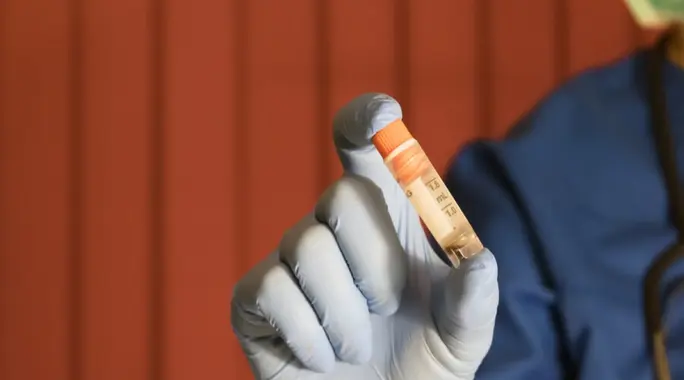
Imagine a medical procedure that can rebuild your body’s essential systems, offering a second chance at life for those battling severe diseases. Stem cell transplantation is precisely that: a powerful treatment harnessing the unique ability of stem cells to regenerate and repair. This guide dives deep into stem cell transplantation, explaining what it is, its various types, the conditions it treats, and what you can expect during the entire journey.
Table of Contents
- What is Stem Cell Transplantation?
- Types of Stem Cell Transplants
- Why Doctors Recommend Stem Cell Transplants
- The Stem Cell Transplant Process: What to Expect
- Potential Risks and Complications
- Stem Cell Transplant vs. Bone Marrow Transplant: Clarifying the Differences
- Conclusion
What is Stem Cell Transplantation?
Stem cell transplantation is a sophisticated medical procedure designed to restore the body’s ability to produce healthy blood cells. Doctors perform this by infusing healthy stem cells into a patient’s body.
This treatment becomes crucial when an individual’s bone marrow, which is responsible for creating stem cells, becomes damaged or dysfunctional. Such damage can severely impair or even completely halt the production of vital blood cells.
How Stem Cells Work
Stem cells are extraordinary because they possess a unique ability to develop into many different types of cells. They can effectively replace damaged or diseased cells, rebuild tissues, and restore critical bodily functions.
When healthy stem cells are transplanted, they travel to the bone marrow and begin producing new, healthy blood cells. This process essentially replaces the compromised stem cells, revitalizing the body’s hematopoietic (blood-forming) system.
Doctors primarily utilize this procedure to treat specific blood and bone marrow disorders, such as leukemia. It serves as a vital option, particularly when conventional treatments have proven ineffective or insufficient.
Types of Stem Cell Transplants
Stem cell transplantation generally falls into two main categories, each determined by the source of the healthy stem cells. Understanding these types helps clarify the approach best suited for a patient’s specific condition.
Autologous Transplants: Using Your Own Cells
In an autologous transplant, doctors collect the patient’s own healthy stem cells before they undergo high-dose chemotherapy or radiation therapy. These intensive treatments are often necessary to destroy diseased cells but can also harm healthy bone marrow.
Medical professionals then freeze and store these collected cells. After the patient completes their conditioning therapy, the stored, healthy stem cells are returned to their body. This approach minimizes the risk of rejection, as the body recognizes its own cells.
Allogeneic Transplants: Donor Cells
Allogeneic transplantation involves using stem cells from a compatible donor. This donor could be a relative, an unrelated individual from a registry, or even an identical twin. Crucially, the donor’s tissues must closely match the patient’s to reduce the risk of complications.
Within allogeneic transplantation, two specific sources are noteworthy:
- Syngeneic Transplant: This rare type occurs when the stem cells come from the patient’s identical twin. It offers the closest genetic match, significantly reducing the risk of complications.
- Cord Blood Transplant: Stem cells can also be harvested from the umbilical cord blood or placenta of a newborn. These cells are particularly potent and are often stored in cord blood banks for future use, providing an alternative source when other donor options are limited.
Why Doctors Recommend Stem Cell Transplants
Doctors recommend stem cell transplantation for several critical reasons, primarily aiming to restore vital bodily functions and treat life-threatening conditions. This procedure offers hope by targeting the root causes of many severe blood and bone marrow disorders.
Conditions Treated by Stem Cell Transplants
Stem cell transplantation serves multiple therapeutic goals:
- Restoring Damaged Bone Marrow: The procedure treats patients with conditions that have severely impaired their bone marrow’s ability to produce new blood cells.
- Replacing Damaged Stem Cells: It effectively replaces stem cells that have been destroyed by intensive treatments, such as high-dose radiation therapy, which is crucial in cancer treatment.
- Enabling High-Dose Therapies: Transplantation allows doctors to administer much higher, more effective doses of chemotherapy or radiation. While these doses can eradicate cancer cells, they also destroy healthy bone marrow; a transplant then regenerates new, healthy marrow.
- Supporting Recovery for Specific Diseases: The procedure is vital for patients battling various conditions, including:
- Blood Cancers: Such as leukemia, multiple myeloma, and lymphoma.
- Immune, Blood, or Metabolic Disorders: Including thalassemia, sickle cell anemia, and certain immune deficiencies.
- Bone Marrow Failure Syndromes: Like aplastic anemia, where the bone marrow stops producing enough new blood cells.
The Stem Cell Transplant Process: What to Expect
Undergoing a stem cell transplant is a multi-stage journey that requires careful planning and execution. Here’s a general overview of the key phases involved in this complex medical procedure.
Preparation Before Transplant
Before a transplant, medical teams thoroughly assess the patient’s overall health to ensure they are a suitable candidate. This often involves extensive blood tests to evaluate organ functions, such as the liver and kidneys, and to screen for any underlying conditions that could affect the procedure’s success.
Stem Cell Collection
The method of stem cell collection varies depending on the type of transplant:
- For Autologous Transplants: Healthy stem cells are harvested directly from the patient’s own body.
- For Allogeneic Transplants: If using a donor, they receive special medications to stimulate stem cell production. After several days, doctors collect the stem cells from a blood vessel, typically in the arm or chest. Prior to collection, strict tissue matching ensures compatibility between the donor and recipient.
Pre-Transplant Conditioning Therapy
Patients then undergo a conditioning regimen. This typically involves high-dose chemotherapy or radiation therapy, administered to eliminate existing diseased cells and suppress the immune system. This crucial step prepares the body to receive the new stem cells and minimizes the risk of rejection.
The Transplant Day: Infusion
On the day of the transplant, the healthy stem cells are infused into the patient intravenously, similar to a blood transfusion. This procedure usually takes about 30 minutes, and the new stem cells naturally migrate to the bone marrow, where they begin to engraft and produce new blood cells.
Recovery and Post-Transplant Care
Initial recovery often requires a hospital stay of one to three months. During this period, medical staff closely monitor the patient for any signs of complications. However, the immune system takes much longer to fully recover, often one to two years.
Patients should remain vigilant for infections and inflammation during this extended recovery period, as their immune system rebuilds its strength.
Potential Risks and Complications
While stem cell transplantation offers incredible potential, it is a demanding procedure with possible side effects and complications. Patients should understand these risks before undergoing treatment.
Common Short-Term Effects
Initially, patients may experience transient side effects as their body adjusts to the new cells. These often include feelings of weakness and flu-like symptoms, which typically subside over time.
More Serious Complications
Beyond these temporary effects, more significant complications can arise, varying based on the transplant type:
- For Autologous Transplants: Risks can include anemia, bleeding, and liver-related issues.
- For Allogeneic Transplants: The primary unique risk is graft-versus-host disease (GVHD), a severe immune reaction.
Understanding Graft-Versus-Host Disease (GVHD)
Graft-versus-host disease (GVHD) is a serious complication that can occur in allogeneic transplants. It happens when the newly transplanted donor immune cells recognize the patient’s cells as foreign and attack them.
Symptoms of GVHD can range from mild to severe and may include hair loss, itchy or peeling skin, and widespread skin rashes. Doctors actively monitor for and manage GVHD to mitigate its impact on the patient’s recovery.
Stem Cell Transplant vs. Bone Marrow Transplant: Clarifying the Differences
Many people use “stem cell transplant” and “bone marrow transplant” interchangeably, but a key distinction lies in the source of the harvested stem cells.
A bone marrow transplant specifically refers to a procedure where stem cells are directly collected from the bone marrow itself, typically from the hip bone.
In contrast, a stem cell transplant (often referred to as a peripheral blood stem cell transplant) typically involves collecting stem cells from the bloodstream. This is a less invasive method, as the stem cells are mobilized from the bone marrow into the peripheral blood for collection.
While both procedures aim to replenish the body’s hematopoietic system, the method of collection is the defining differentiator.
Conclusion
Stem cell transplantation represents a monumental advancement in modern medicine, offering critical hope and effective treatment for a spectrum of debilitating and life-threatening diseases. By harnessing the regenerative power of stem cells, this procedure can rebuild vital systems and significantly improve patient outcomes.
While the journey through transplantation is complex and can involve significant challenges, its potential to transform lives is undeniable. If you are considering or undergoing stem cell transplantation, engage in thorough discussions with your medical team to fully understand the process, benefits, and potential risks tailored to your individual situation.