



The human abdomen houses many vital organs, each playing a critical role in maintaining overall health. Among these are the spleen and the pancreas, two organs often mistakenly thought to be similar due to their proximity. While both are essential, they possess unique anatomical features and perform vastly different functions that are crucial for the body’s well-being.
This article will clarify the fundamental differences between the spleen and the pancreas, exploring their distinct locations, intricate functions, and unique anatomical structures. By understanding these variations, you gain a clearer picture of how your body operates.
Table of Contents
- Understanding Their Location: Where Do the Spleen and Pancreas Reside?
- Distinct Functions: Spleen and Pancreas at Work
- Anatomical Variations: A Look at Their Structure
- Conclusion: Spleen vs. Pancreas
Understanding Their Location: Where Do the Spleen and Pancreas Reside?
While both the spleen and pancreas are situated in the abdominal region, their precise positioning within the body differs significantly.
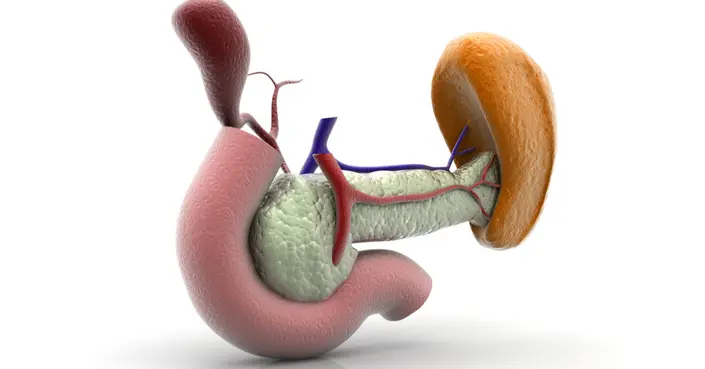
The spleen prominently occupies the upper left quadrant of the abdomen. It sits directly behind the stomach and extends just below the diaphragm, nestled deep within the rib cage. This protected placement safeguards it from external injury.
Conversely, the pancreas lies horizontally behind the stomach, extending from the duodenum (the first part of the small intestine) to the spleen. It is surrounded by several other key organs, including the small intestine, liver, and indeed, the spleen itself. This central location highlights its interconnectedness with other digestive and endocrine organs.
Distinct Functions: Spleen and Pancreas at Work
The primary differences between these two organs become most apparent when examining their highly specialized roles within the body.
The Spleen: A Blood Filter and Immune Hub
The spleen functions as a critical component of both the circulatory and immune systems. Its main responsibility involves filtering and purifying the blood, along with playing a significant role in immunity.
- Blood Filtration and Purification: The spleen meticulously filters blood by identifying and removing abnormal, misshapen, old, or damaged red blood cells. As blood flows through narrow passages within the spleen, healthy cells continue their journey in the bloodstream. However, specialized white blood cells called macrophages break down and eliminate the unhealthy or compromised cells.
- Storage Functions: This organ stores valuable materials like iron, returning it to the bone marrow for new blood cell production. It also possesses the remarkable capacity to store a significant volume of blood, thanks to its highly expandable blood vessels.
- Immune Response: The spleen acts as a sentinel, detecting pathogens and initiating an immune response. It produces white blood cells in response to threats and stores a portion of the body’s lymphocytes, a type of immune cell. Furthermore, it produces compounds known as opsonins, which assist the immune system in targeting and eliminating foreign invaders.
- Fetal Red Blood Cell Production: During pregnancy, particularly until the fifth month, the spleen temporarily produces red blood cells. This function typically ceases after birth.
The Pancreas: Digestive Powerhouse and Hormonal Regulator
The pancreas is a dual-function gland, performing both exocrine (digestive) and endocrine (hormonal) roles essential for nutrient absorption and blood sugar regulation.
- Exocrine Function (Digestion): The pancreas produces powerful digestive enzymes and secretes them into the duodenum. These enzymes are vital for breaking down food components:
- Trypsin and Chymotrypsin: These enzymes specifically digest proteins, breaking them down into smaller peptides.
- Amylase: This enzyme targets carbohydrates and fats, converting complex starches and certain lipids into simpler forms.
- Endocrine Function (Hormonal Regulation): Within the pancreas are clusters of cells called the Islets of Langerhans. These cells directly secrete crucial hormones into the bloodstream to regulate blood glucose levels:
- Insulin: This hormone lowers blood sugar levels by facilitating glucose uptake into cells.
- Glucagon: Counteracting insulin, glucagon raises blood sugar levels by signaling the liver to release stored glucose.
Anatomical Variations: A Look at Their Structure
Beyond location and function, the spleen and pancreas exhibit distinct anatomical characteristics that further highlight their differences.
- Shape and Appearance: The spleen is roughly the size and shape of a clenched fist, resembling a large lymphatic node. It has a distinctive purple coloration. In contrast, the pancreas possesses a more elongated, “wing-like” or “fish-like” shape, often described as resembling salmon in color.
- Size: The spleen typically measures between 7 to 14 centimeters in length. The pancreas is slightly larger, ranging from 12 to 15 centimeters.
- Structure: The spleen is a relatively uniform organ, resembling a large lymph node internally. The pancreas, however, is structurally more complex, divided into distinct regions: a head, neck, body, and tail, each with specific anatomical relationships to surrounding organs.
- Blood Supply: The spleen receives its primary blood supply from the splenic artery, a major branch of the celiac trunk. The pancreas enjoys a more complex blood supply from several vessels, including the superior and inferior pancreaticoduodenal arteries and the tortuous splenic artery, reflecting its intricate metabolic and digestive roles.
Conclusion: Spleen vs. Pancreas
While located in close proximity within the abdomen, the spleen and pancreas are fundamentally different organs with highly specialized roles. The spleen serves primarily as a blood filter and an integral part of the immune system, meticulously cleaning the blood and defending the body against pathogens. The pancreas, on the other hand, is a crucial digestive gland and an endocrine organ, secreting enzymes for digestion and hormones vital for blood sugar regulation.
Understanding these distinct functions and anatomical features underscores the incredible complexity and specialization within the human body, where each organ contributes uniquely to our overall health and vitality.