

A slipped disc, also known as a herniated or bulging disc, can bring debilitating pain and significantly disrupt your daily life. Millions worldwide experience this condition, which often leads to discomfort in the back, neck, and limbs. While the pain can be intense, many effective strategies and treatments exist to help you manage symptoms and regain your quality of life.
This article provides a comprehensive guide, offering practical advice and detailing medical and complementary therapies. You’ll learn essential techniques to alleviate pain, support your recovery, and understand when to seek professional medical help.
- Understanding Slipped Discs: What You Need to Know
- Essential Slipped Disc Tips for Daily Management
- Beyond Tips: Medical Treatments for Slipped Discs
- Exploring Complementary and Alternative Slipped Disc Therapies
- When to Seek Professional Medical Advice
- Conclusion: Taking Control of Your Slipped Disc Recovery
Understanding Slipped Discs: What You Need to Know
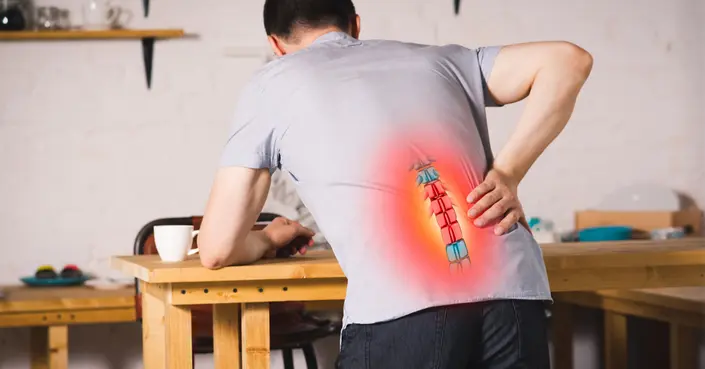
Your spine consists of a series of bones (vertebrae) cushioned by soft, gel-like discs. These discs act as shock absorbers, allowing your spine to bend and twist. A slipped disc occurs when the soft inner part of a disc pushes through a tear in the tougher outer layer. This can irritate nearby nerves, causing pain, numbness, or weakness in the affected area.
While the term “slipped disc” is common, it’s more accurately described as a herniated or ruptured disc. Understanding this condition is the first step toward effective management and relief.
Essential Slipped Disc Tips for Daily Management
Managing the symptoms of a slipped disc often involves a combination of strategies. Incorporating these practical tips into your daily routine can significantly reduce pain and promote healing.
Leverage Hot and Cold Therapy
Applying cold or heat can provide immediate relief from slipped disc pain. Cold packs help reduce inflammation and numb the area, especially useful in the initial stages or during acute flare-ups. After a few days, switching to heat packs can relax tense muscles and improve blood flow, aiding the healing process. Alternate between the two as needed to find what works best for your pain.
Avoid Prolonged Bed Rest
While rest is crucial, extended periods of bed rest can actually worsen your condition. Lying down for too long can lead to stiff joints and weakened muscles, potentially slowing recovery. Instead, aim for short periods of rest, perhaps 30 minutes at a time, followed by light activity like a short walk. Keep moving gently to maintain flexibility and strength.
Gradually Return to Your Activities
Rushing back into your usual activities too quickly can cause a setback. Your recovery should be a gradual process, dictated by your pain levels. If you feel pain, scale back your activity. Perform movements slowly and deliberately, particularly when bending or lifting objects, regardless of how light they seem. Listen to your body and respect its signals.
Respect Your Body’s Limits
Although avoiding prolonged bed rest is important, taking adequate breaks is equally vital, especially when you experience pain. Overexertion can aggravate a slipped disc. Pay attention to how your body responds to different activities. Rest when you need to, and avoid pushing yourself beyond a comfortable limit to prevent further injury.
Beyond Tips: Medical Treatments for Slipped Discs
While self-care tips can help manage pain, many individuals require more targeted medical interventions to achieve lasting relief and recovery. Various treatment options are available, ranging from injections to surgical procedures.
Spinal Injections for Pain Relief
When conservative measures fall short, doctors may recommend spinal injections. These typically involve injecting a corticosteroid-like substance directly into the affected area around the spine. Corticosteroids work by reducing inflammation and swelling of the nerve roots, which can significantly alleviate pain and improve mobility.
Surgical Interventions When Necessary
For some individuals, especially those who do not respond to other treatments or experience severe nerve compression, surgery becomes a necessary option. Several surgical procedures can address a slipped disc:
- Discectomy: Surgeons remove the herniated part of the disc that is pressing on a nerve. This is a common procedure aimed at relieving pressure and pain.
- Laminectomy: This surgery involves removing a portion of the vertebral bone (lamina) to create more space for the spinal cord and nerves. It’s often performed under general anesthesia.
Exploring Complementary and Alternative Slipped Disc Therapies
Many people explore complementary and alternative therapies to supplement traditional medical treatments for a slipped disc. It is always wise to discuss these options with your doctor and ensure they are administered by qualified professionals in a reputable setting.
Over-the-Counter and Prescription Medications
Pain relief often starts with medication. Non-prescription pain relievers, such as NSAIDs, can effectively manage mild to moderate pain. For more severe pain or muscle spasms, a doctor might prescribe stronger medications like muscle relaxants or, in rare cases, opioids. Always use prescription medications under medical supervision due to potential side effects and risks.
Chiropractic Care
Chiropractic treatment focuses on spinal manipulation to alleviate pain associated with a slipped disc. A chiropractor uses hands-on techniques to adjust the spine, aiming to improve alignment and reduce pressure on affected nerves. Seek a certified and experienced chiropractor for this therapy.
Acupuncture for Pain Management
Originating from traditional Chinese medicine, acupuncture involves inserting thin needles into specific points on the body. Research suggests that acupuncture can effectively reduce back and neck pain for many individuals, offering an alternative approach to pain management for slipped disc patients.
Therapeutic Massage
Massage therapy can provide temporary relief from the muscle tension and pain often associated with a slipped disc. A skilled massage therapist can target specific muscle groups, improve circulation, and promote relaxation. Ensure your therapist is aware of your slipped disc condition to avoid exacerbating symptoms.
When to Seek Professional Medical Advice
While many slipped disc symptoms improve with self-care and conservative treatments, certain signs warrant immediate medical attention. If you experience severe pain that doesn’t improve, progressive weakness or numbness in your limbs, difficulty controlling your bladder or bowels, or significant changes in sensation, consult a doctor promptly. Early diagnosis and intervention can prevent further complications and lead to better outcomes.
Conclusion: Taking Control of Your Slipped Disc Recovery
Living with a slipped disc can be challenging, but it doesn’t have to control your life. By understanding your condition, implementing practical daily tips, and exploring appropriate medical and complementary treatments, you can actively manage your pain and promote your recovery. Always remember to work closely with healthcare professionals to develop a personalized treatment plan that best suits your needs, ensuring a path towards a healthier, more comfortable future.