
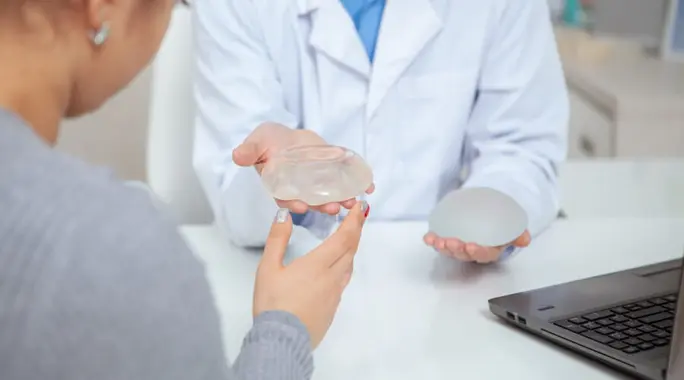
Breast augmentation is a popular cosmetic procedure for many women seeking to enhance their appearance or reconstruct their breasts after surgery. While silicone breast implants offer numerous benefits, understanding the potential silicone breast implant risks is crucial for anyone considering this life-altering decision.
Before you embark on this journey, take a moment to explore the possible complications, long-term considerations, and what to expect. This comprehensive guide will help you make an informed choice about your health and body.
- Overview of Silicone Breast Implant Risks
- The Potential Need for Future Surgeries
- Breast Implant-Associated Anaplastic Large Cell Lymphoma (BIA-ALCL)
- Additional Complications and Long-Term Effects
- Understanding Implant Lifespan and Replacement
- Beyond Risks: Exploring the Benefits of Breast Implants
Overview of Silicone Breast Implant Risks
Breast implants, whether filled with saline or silicone gel, carry an outer shell made of silicone. Regulatory bodies like the FDA approve these implants, and they are generally considered safe when a skilled and experienced surgeon performs the procedure correctly.
However, despite these approvals, studies indicate that while implants are not linked to serious life-threatening diseases, specific long-term risks and potential complications exist. Understanding these silicone breast implant risks is vital for anyone considering the surgery.
The Potential Need for Future Surgeries
One of the most significant silicone breast implant risks is the possibility that you might require additional surgeries in the future. Implants are not lifetime devices, and complications like rupture or deflation can necessitate further medical intervention.
Saline Implant Rupture
If a saline-filled implant ruptures or develops a leak, the saltwater solution is typically absorbed harmlessly by your body. You will likely notice an obvious change in breast size or shape, indicating the need for removal or replacement.
Silicone Gel Rupture: The “Silent Rupture”
Silicone gel implants present a different scenario. A rupture in these implants can often go unnoticed, as the leaked silicone gel tends to remain trapped within the fibrous scar tissue that naturally forms around the implant. This is known as a “silent rupture” because there may be no visible change in breast shape or size.
While leaked silicone gel is generally not associated with severe health problems like breast cancer, reproductive issues, or rheumatoid arthritis, it can lead to localized pain, a noticeable thickening of the breast, or changes in breast shape. These symptoms often prompt further investigation and potential surgical intervention.
Breast Implant-Associated Anaplastic Large Cell Lymphoma (BIA-ALCL)
Another significant, albeit rare, risk associated with breast implants is Breast Implant-Associated Anaplastic Large Cell Lymphoma (BIA-ALCL). Regulatory bodies have identified a possible link between breast implants and this specific type of non-Hodgkin’s lymphoma.
BIA-ALCL occurs in a very small number of individuals who have undergone breast implant surgery, developing in the scar tissue or fluid surrounding the implant. It is crucial to be aware of this risk and discuss any unusual symptoms with your healthcare provider.
Additional Complications and Long-Term Effects
Beyond the primary risks, other potential complications and long-term changes can occur following breast implant surgery. These factors can impact both your physical health and overall satisfaction.
Permanent Breast Tissue Changes
Breast implants can permanently alter your natural breast tissue. If you decide to remove your implants in the future, your breasts may not return to their original shape or appearance before the surgery. This possibility is an important consideration for long-term body image.
Sensory and Aesthetic Alterations
You might experience changes in the appearance and sensation of your breasts. These can include a loss of sensation in the breast or nipple, chronic pain, or even severe scarring and visible wrinkling or rippling of the skin over the implant.
Impact on Breastfeeding
For women planning to have children or breastfeed, it is important to know that breast implants can make breastfeeding more challenging. Some studies suggest that implants may hinder milk production or make it difficult for mothers to nurse effectively.
Mammography Interference
Breast implants can interfere with the accuracy of mammograms, which are crucial for detecting breast cancer. Implants can obscure portions of breast tissue, potentially making it harder to identify abnormalities. Specialized imaging techniques or additional views may be necessary.
General Surgical Complications
Like any surgical procedure, breast augmentation carries general surgical risks. These can include post-operative breast pain, infection at the surgical site, and temporary or permanent changes in breast and nipple sensation.
Understanding Implant Lifespan and Replacement
A common misconception is that breast implants automatically need replacement every 10 years. In reality, the average lifespan of a breast implant is typically between 10 to 15 years, but they do not have a fixed expiration date.
You only need to replace breast implants if you experience a problem, such as a rupture, deflation, or other complications requiring medical attention. Regular check-ups with your surgeon can help monitor the condition of your implants.
Beyond Risks: Exploring the Benefits of Breast Implants
Despite the potential silicone breast implant risks, many women find that the benefits significantly enhance their quality of life. Understanding these advantages helps in weighing the overall decision.
- Enhanced Appearance: Implants can create a fuller, more symmetrical breast profile, addressing concerns about small or uneven breasts.
- Restored Volume: For women who have experienced breast volume loss due to pregnancy, breastfeeding, or significant weight fluctuations, implants can restore a more youthful contour.
- Post-Surgical Correction: Implants are vital in reconstructive surgery, correcting breast asymmetry or rebuilding breasts after a mastectomy.
- Improved Self-Confidence: Many women report a substantial boost in self-esteem and body image after breast augmentation, feeling more comfortable and confident in their own skin.
Choosing to undergo breast augmentation is a highly personal decision. While the benefits can be transformative, a thorough understanding of the silicone breast implant risks is non-negotiable. Discuss all your concerns with a qualified healthcare professional, weigh the potential outcomes, and ensure you make a choice that aligns with your health and well-being.