
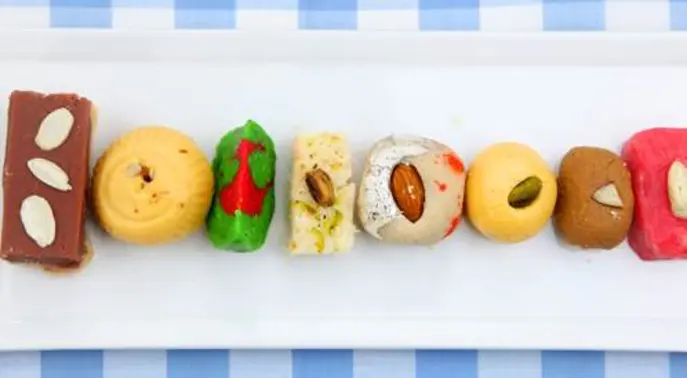
Eid al-Adha and Eid al-Fitr bring immense joy, marked by family gatherings, heartfelt celebrations, and, of course, delicious feasts. These festive meals are often rich, hearty, and packed with calories, making it easy to overindulge. But what if you could savor every bite without the post-celebration regret or discomfort?
This guide offers practical, actionable tips to navigate Eid’s culinary delights. Learn how to enjoy your favorite traditional dishes while making healthier choices, preventing indigestion, and maintaining your well-being throughout the festivities.
Table of Contents
- Introduction: Celebrate Eid Smartly
- Mastering Meat Consumption During Eid
- Smart Sips: Healthier Beverage Choices
- Wholesome Carbohydrates for Your Eid Table
- Beyond the Main Course: General Healthy Eid Habits
- Conclusion: Enjoy Eid to the Fullest, Healthily
Introduction: Celebrate Eid Smartly
Eid festivities often involve lavish meals, brimming with rich flavors and high-calorie dishes. While these feasts are a cherished part of the celebration, they can also lead to overeating, digestive discomfort, and unwanted weight gain. However, you don’t have to sacrifice enjoyment for health.
This article empowers you with practical advice to make informed choices during Eid. Discover how to balance traditional indulgence with mindful eating, ensuring you and your loved ones have a joyous and healthy celebration.
Mastering Meat Consumption During Eid
Meat often takes center stage during Eid celebrations, especially Eid al-Adha. While it’s a staple, smart choices can make a significant difference in your overall health and well-being.
Choose Quality and Lean Cuts
Prioritize fresh, high-quality meat from a reputable butcher. Avoid processed or frozen varieties that may contain unhealthy additives and preservatives. When selecting cuts, opt for leaner options like the neck or thigh, which naturally have less fat.
Prepare Your Meat Wisely
Before cooking, ask your butcher to trim visible fat from the meat. At home, you can further remove any remaining fatty areas. If you’re preparing ground meat dishes like homemade burgers or kebabs, use lean mince to control the fat content.
Grilling for Health: A Better Way
Grilling is a popular Eid cooking method, but how you grill matters. Always place meat on an elevated rack, keeping it away from direct flames or charcoal. Direct burning can create harmful, carcinogenic compounds. The more distance between the meat and the heat source, the healthier your grilled dish will be.
Don’t Forget Your Greens
Balance your meat dishes with plenty of vegetables. Incorporate healthy sides like baked potatoes, carrots, peas, or broccoli. These fibrous additions aid digestion and provide essential nutrients, making your meal more complete and satisfying.
Smart Sips: Healthier Beverage Choices
Drinks can secretly add significant calories and sugar to your Eid meals. Making conscious beverage choices helps you avoid unnecessary sugars and keeps you feeling light and energized.
Skip the Sugary Drinks
Avoid fizzy drinks and most commercial juices. These beverages are often loaded with simple carbohydrates that offer little nutritional value and contribute empty calories, leading to bloating and sugar spikes.
Opt for Nutrient-Rich Alternatives
Instead, choose water, unsweetened fresh juices, or traditional, lightly sweetened beverages made with natural ingredients. These options hydrate your body without the sugar overload, allowing you to allocate your caloric intake to more nutritious foods like fruits, vegetables, and lean meats.
Wholesome Carbohydrates for Your Eid Table
Carbohydrates are an essential energy source, but their preparation method significantly impacts their health value during Eid.
Embrace Baked and Grilled Options
When incorporating starches into your meal, opt for healthier preparations. Baked potatoes, grilled vegetables, or whole grains are excellent choices. They provide sustained energy and essential fibers without the added fat.
Avoid Deep-Fried Temptations
Resist the temptation of deep-fried potatoes or other fried starchy dishes. Frying adds excessive unhealthy fats and calories, counteracting any nutritional benefits. Choose healthier cooking methods to keep your carb intake wholesome.
Beyond the Main Course: General Healthy Eid Habits
A truly healthy Eid experience extends beyond specific food groups. Adopt these overarching habits to ensure a joyous and comfortable celebration.
Mindful Eating: Portions and Frequency
Heavy, large meals can strain your digestive system and lead to discomfort. Instead, opt for smaller, more frequent meals throughout the day. This approach helps your stomach process food more efficiently and prevents overeating.
Prioritize Healthy Ingredients
Even with traditional recipes, you can make healthier ingredient swaps. Choose lean cuts of meat and diligently remove visible fats before cooking. When preparing sweets, be cautious with sugar and condensed milk, opting for natural sweeteners like fruits or dried fruits where possible.
Embrace Healthy Cooking Methods
Move away from frying as your primary cooking method. Instead, bake, grill, roast, or steam your dishes. For example, enjoy grilled chicken or baked fish as healthy, flavorful additions to your Eid menu. Remember, overcooking vegetables and fish can deplete essential vitamins and minerals.
Season with Care, Reduce Salt
Excessive salt contributes to water retention and can impact blood pressure. Flavor your dishes generously with herbs and spices like thyme, rosemary, coriander powder, chili powder, and fresh lemon juice. These natural enhancers add depth of flavor without relying heavily on salt.
Conclusion: Enjoy Eid to the Fullest, Healthily
Eid is a time for joy, connection, and gratitude. By applying these practical tips for healthy Eid eating, you can fully embrace the festive spirit without compromising your health. Make conscious choices, enjoy delicious meals in moderation, and celebrate this special occasion feeling vibrant and well.