
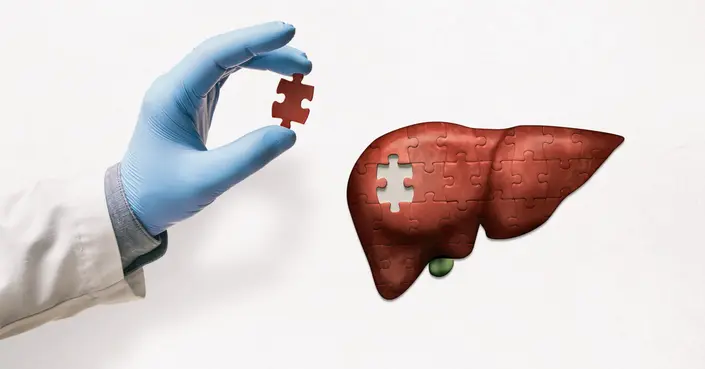
Liver transplantation offers a new lease on life for countless individuals struggling with liver failure. While the focus often remains on the recipient’s journey, the brave individuals who step forward as living liver donors also undergo a significant medical procedure. If you are considering this selfless act, you likely have questions about the potential risks involved. This comprehensive guide sheds light on the realities of liver donation, detailing the possible complications, the recovery process, and the essential requirements for donors.
- What Are the Risks for Liver Donors?
- Minimizing Risks and Ensuring a Smooth Recovery
- Who Can Be a Liver Donor? Essential Requirements
- Conclusion
What Are the Risks for Liver Donors?
Donating a portion of your liver is a complex surgical procedure, and like any major surgery, it carries potential risks. While serious complications are rare, and many minor issues resolve on their own, understanding these possibilities is crucial for every potential donor.
Common Post-Operative Complications
- Bleeding: Donors may experience some bleeding at the surgical site.
- Infection: There is a risk of infection, which medical teams carefully monitor and manage.
- Pain and Discomfort: You will likely experience pain and discomfort after surgery, which healthcare providers manage with medication.
- Allergic Reaction to Anesthesia: A rare but possible complication is an allergic reaction to the anesthetics used during surgery.
- Nausea: Many patients experience nausea post-surgery, which is usually temporary.
- Blood Clots: A risk inherent in major surgeries, preventable with appropriate measures.
- Pneumonia: Donors may develop pneumonia, especially if they are not mobile after surgery.
- Hernia: A potential long-term complication at the incision site.
- Scarring: Surgical incisions will result in permanent scars.
Rarer but Serious Complications
Beyond the more common issues, some rarer complications specifically involve the liver and bile ducts:
- Bile Leakage: The liver produces bile to aid digestion. Sometimes, after surgery, bile can leak from the surgical site. While this often heals naturally, some rare instances may require further surgical intervention.
- Bile Duct Obstruction: Although very uncommon, a donor may experience an obstruction in the bile duct.
Minimizing Risks and Ensuring a Smooth Recovery
While discussing the risks is important, understanding how to mitigate them and what to expect during recovery is equally vital. A well-managed recovery significantly reduces potential complications.
The Hospital Stay and Initial Recovery
Typically, you will enter the hospital the day before your surgery. The procedure itself usually lasts between four to six hours. After surgery, you can expect to stay in the hospital for approximately five to eight days, depending on your individual healing process.
During the first 24 hours post-surgery, the medical team will monitor you closely in the intensive care unit (ICU) to ensure your vital signs are stable. Once your condition is stable, they will transfer you to a regular ward.
You will experience pain and discomfort during this initial recovery phase. Your healthcare team will provide appropriate pain management medication to keep you as comfortable as possible. You can expect discharge once your pain is manageable, you can eat and drink adequately, and you can walk and sit comfortably.
Home Recovery Guidelines
Once you return home, adhering to specific guidelines is crucial for a successful recovery and to minimize any potential issues:
- Avoid Heavy Lifting: For at least six weeks, refrain from lifting heavy objects.
- No Driving Under Sedation: Do not drive a car while taking sedatives. This period typically lasts two to three weeks.
- Stay Active: Engage in light walking several times throughout the day to promote circulation and healing.
Did You Know? Your liver possesses an amazing ability to regenerate itself! After donating a portion, your remaining liver quickly regrows to its original size, a process that typically takes six to eight weeks.
Who Can Be a Liver Donor? Essential Requirements
Becoming a living liver donor is a profound decision, and medical teams carefully evaluate potential donors to ensure their safety and the success of the transplant. You must meet specific health criteria to qualify for donation.
- Blood Type Compatibility: Your blood type must be compatible with the recipient’s blood type.
- Excellent Overall Health: You must not have significant underlying health conditions such as liver disease, diabetes, heart disease, or cancer.
- Age Criteria: Donors typically fall within the age range of 18 to 60 years old.
- Healthy Organ Function: You must have healthy liver and kidney function, confirmed through various medical tests.
- Healthy Body Weight: Your body mass index (BMI) should generally be less than 32.
- Comprehensive Medical Evaluation: You will undergo extensive medical screenings to ensure you are physically fit for the surgery and recovery.
- Good Physical and Psychological Health: Donors must be in sound physical and mental health to withstand the demands of the donation process.
Conclusion
Living liver donation is an extraordinary gift. While it carries inherent risks, careful evaluation and adherence to post-operative guidelines significantly enhance donor safety and recovery. If you are considering this life-saving act, discuss all aspects with a transplant team to make an informed decision.