


After a cast comes off, many people expect instant relief and full mobility. But often, a different reality sets in: stiff, aching joints. If you’ve recently had a cast removed and find your joints feeling locked up, you’re not alone. This guide offers practical strategies to help you regain comfort and flexibility.
Joint stiffness after a cast is a common but manageable issue. We’ll explore effective home remedies and vital tips to help you on your recovery journey.
- Understanding Joint Stiffness After Cast Removal
- Effective Home Remedies for Joint Stiffness
- Essential Tips for Joint Protection and Recovery
- When to Seek Professional Medical Advice
- Conclusion: Your Path to Renewed Mobility
Understanding Joint Stiffness After Cast Removal
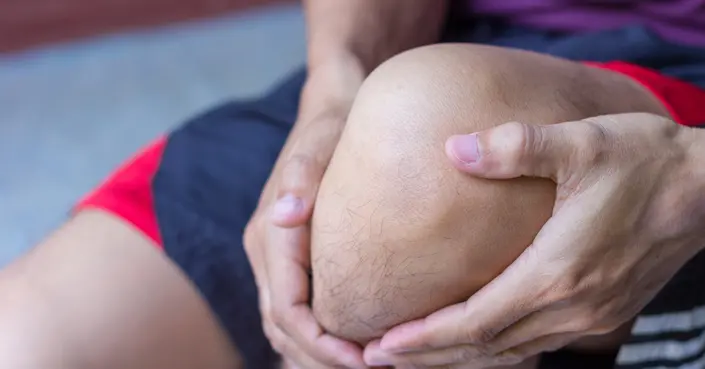
Many individuals experience joint discomfort and restricted movement after prolonged immobilization in a cast. This stiffness often feels most pronounced after periods of rest, such as waking up in the morning or sitting for extended times. It can make everyday activities like standing, walking, or bearing weight on the affected joint challenging.
The good news is that you can implement several strategies to alleviate this discomfort and improve your joint’s flexibility. While always following your doctor’s recommendations, incorporating these home-based treatments can significantly support your recovery.
Effective Home Remedies for Joint Stiffness
Several home remedies can work alongside other treatments your doctor recommends to reduce discomfort from stiff joints. Here are some of the most effective approaches:
Embrace Gentle Exercise
It might seem counterintuitive, but avoiding movement can actually worsen joint pain and stiffness. Regular, gentle exercise is crucial for maintaining the strength of the muscles and tissues surrounding your joints. Strong supportive muscles are vital for stabilizing your bones.
Without exercise, these supporting muscles can weaken, placing increased stress on your healing joints. Focus on exercises recommended by your physical therapist or doctor, ensuring they are low-impact and appropriate for your specific injury.
Leverage the Power of Heat and Cold Therapy
Heat therapy is an age-old, affordable, and effective method for soothing stiff joints and easing muscle aches. Soaking in warm water or applying warm compresses can increase blood flow to the affected area.
This improved circulation delivers more oxygen and nutrients to the tissues, promoting relaxation and flexibility. However, avoid heat therapy if you have an acute injury, significant swelling, or redness. In such cases, cold therapy – like ice packs – is more appropriate. Cold reduces blood flow and inflammation, offering relief from acute pain and swelling.
Maintain a Healthy Weight
Managing your body weight is a crucial step in alleviating joint stiffness and preventing future complications. Excess weight places considerable strain on your joints, particularly weight-bearing joints like the knees and ankles.
Obesity significantly increases the risk of developing arthritis and can lead to severe complications that might even require surgery. Beyond maintaining a healthy body weight, try to avoid carrying excessively heavy loads, such as large grocery bags, which can also stress your recovering joints.
Essential Tips for Joint Protection and Recovery
Beyond home remedies, implement these essential practices to protect your joints and prevent further stiffness or complications during your recovery:
- Wear Supportive Footwear: Choose shoes that offer excellent shock absorption and support.
- Use Safety Equipment: Employ appropriate safety gear for your joints, such as knee pads or wrist splints, especially when engaging in activities that might put stress on them.
- Master Proper Techniques: Learn correct techniques for any physical activity or sport you undertake, like swimming, to avoid undue stress on your joints.
- Stay Hydrated: Drink plenty of fluids throughout the day. Hydration helps lubricate your joints, enhancing their ability to absorb shock and improving overall endurance.
- Consider Pain Relief (with Guidance): If you experience severe joint pain, acetaminophen or non-prescription anti-inflammatory medications can offer relief. Always discuss medication use with a healthcare professional to ensure it’s appropriate for your condition.
- Utilize Topical Treatments: Apply ice packs and topical pain relief creams or gels to directly soothe localized pain and inflammation.
- Explore Supplements (Consult Your Doctor): Certain supplements like fish oil or glucosamine are sometimes recommended for joint health. Discuss these with your doctor before incorporating them into your routine.
When to Seek Professional Medical Advice
While many home remedies and lifestyle adjustments can effectively reduce joint stiffness after a cast, it’s important to recognize when professional help is necessary. If your symptoms do not improve significantly with these self-care measures, or if you experience increasing pain, swelling, numbness, or weakness, it’s crucial to consult your doctor.
Your healthcare provider can assess your progress, rule out any underlying issues, and recommend further interventions. Often, physical therapy (physiotherapy) is a key component of recovery, providing targeted exercises and techniques to restore full joint function and mobility safely.
Conclusion: Your Path to Renewed Mobility
Recovering from a cast removal and managing joint stiffness requires patience and consistent effort. By actively incorporating gentle exercises, using heat and cold therapy, maintaining a healthy weight, and following essential joint protection tips, you empower yourself to regain comfort and mobility.
Remember, your journey to recovery is unique. Listen to your body, celebrate small victories, and do not hesitate to seek professional medical advice if your symptoms persist or worsen. Take these proactive steps, and you’ll soon be moving with greater ease and confidence.