


For individuals living with psoriasis, a chronic autoimmune skin condition, concerns often extend beyond skin health to various aspects of life, including family planning. A common question that arises is: Does psoriasis cause infertility? This article delves into the scientific understanding of how psoriasis might influence fertility in both men and women, and what you need to know if you’re planning to start a family.
- Understanding Psoriasis and Fertility: An Overview
- Does Psoriasis Affect Male Fertility?
- Does Psoriasis Affect Female Fertility?
- Psoriasis, Pregnancy, and Your Child’s Health
- Navigating Fertility Challenges with Psoriasis
Understanding Psoriasis and Fertility: An Overview
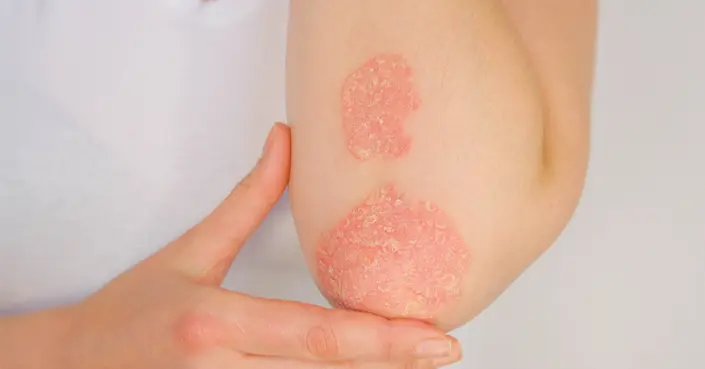
Psoriasis is an autoimmune disease characterized by rapid skin cell turnover, leading to red, scaly patches. Beyond its visible symptoms, psoriasis involves systemic inflammation that can affect various organs and bodily functions. This widespread inflammatory response has prompted researchers to investigate its potential connections to reproductive health and fertility in both men and women.
Does Psoriasis Affect Male Fertility?
While psoriasis does not cause absolute infertility in men, evidence suggests it can significantly reduce male fertility. The underlying cause often relates to the systemic inflammatory nature of the disease itself.
The Role of Systemic Inflammation
Psoriasis triggers a chronic inflammatory response throughout the body. Modern research indicates that this systemic inflammation might impair male fertility. Although data specific to men with psoriasis remains somewhat limited, the broader understanding of inflammation’s effect on reproductive health is growing.
Key Research Findings on Male Fertility
A notable study investigated gonadal function in men aged 18-55 with psoriasis, comparing their results to age and BMI-matched individuals without the condition. This research revealed that untreated psoriasis could indeed lead to impaired male fertility. Specific findings included:
- Significantly lower levels of testosterone.
- Reduced Sex Hormone-Binding Globulin (SHBG).
- Elevated estradiol (E2) levels in psoriasis patients.
- Remarkable decreases in total sperm count, sperm motility, and the percentage of normally shaped sperm among those with psoriasis.
Furthermore, ultrasound examinations showed signs of accessory gonadal inflammation in 35 out of 50 psoriasis patients, a condition not observed in the control group.
The Impact of Psoriasis Medications on Men
In addition to the disease itself, certain prescription medications used to treat psoriasis may also contribute to an increased likelihood of male infertility. Discuss all potential side effects and family planning with your doctor.
Does Psoriasis Affect Female Fertility?
For women, the good news is that psoriasis generally does not impact the ability to conceive. However, managing the condition during pregnancy requires careful consideration, particularly concerning treatment protocols.
Psoriasis and Your Ability to Conceive
Psoriasis itself typically does not hinder a woman’s capacity to become pregnant. This offers reassurance to many women who might worry about their fertility journey.
Managing Psoriasis Treatments During Pregnancy
Despite no direct impact on conception, women with psoriasis planning pregnancy must consult their healthcare provider. Certain psoriasis medications are unsafe for use before or during pregnancy, or while breastfeeding. Your doctor can help you adjust your treatment plan to ensure both your health and the baby’s safety.
Psoriasis, Pregnancy, and Your Child’s Health
Understanding how psoriasis can affect pregnancy outcomes and the child is crucial for comprehensive family planning.
Potential Pregnancy Risks and Psoriasis
Women with severe psoriasis face a higher risk of giving birth to a low-birth-weight baby compared to those with mild psoriasis or no chronic skin condition. General evidence suggests that hormonal changes and a weakened immune system during pregnancy may contribute to these potential side effects. Interestingly, about 55% of women with psoriasis notice an improvement in their symptoms during pregnancy, while 45% experience no change or even a worsening. Individual responses vary significantly.
Understanding the Genetic Link in Children
Psoriasis often runs in families, indicating a genetic predisposition. Scientists estimate that if one parent has psoriasis, their child has about a 10% chance of developing the condition. If both parents have psoriasis, this probability jumps to approximately 50%. However, children typically need exposure to specific external factors or triggers for the disease to manifest. While a family history of psoriasis can be concerning, it is important not to worry excessively. Regular health visits with a pediatrician allow for monitoring and early detection of any signs or symptoms.
Navigating Fertility Challenges with Psoriasis
Living with psoriasis and planning for a family involves unique considerations. Open communication with your healthcare team is paramount. They can offer personalized advice, help you understand the specific risks and benefits of various treatment options, and guide you through your fertility journey safely and effectively.
Conclusion:
Psoriasis presents a complex relationship with fertility. While it generally does not affect a woman’s ability to conceive, it can reduce male fertility due to systemic inflammation and potentially impact pregnancy outcomes. Genetic factors also play a role in a child’s likelihood of developing the condition. Proactive discussions with your doctors about family planning, medication adjustments, and potential risks empower you to make informed decisions and navigate your path to parenthood with confidence.