


Allergies can make daily life challenging, from sneezing fits to itchy eyes and nasal congestion. While many turn to conventional medications, nature offers its own array of compounds that can help calm an overactive immune response. These natural antihistamines work by moderating the body’s reaction to allergens, providing a gentler approach to symptom relief.
Understanding how these natural allies function and where to find them empowers you to make informed choices for your well-being. This guide delves into the most effective natural antihistamines, their benefits, and their dietary sources, helping you navigate the world of allergy management with a holistic perspective.
- Understanding Allergies and the Role of Histamine
- Exploring Potent Natural Antihistamines
- Safely Incorporating Natural Remedies into Your Life
- Conclusion: Embracing Nature’s Allergy Solutions
Understanding Allergies and the Role of Histamine
Allergies represent your body’s immune system overreacting to typically harmless substances like pollen, dust mites, or pet dander. When these allergens come into contact with cells in your mouth, nose, lungs, throat, or digestive tract, your immune system springs into action.
A key player in this immune response is a chemical called histamine. While essential for various bodily functions, an excessive release of histamine triggers the familiar symptoms of an allergic reaction, including sneezing, itching, watery eyes, and nasal congestion. Natural antihistamines work by helping to block histamine’s effects or by stabilizing the cells that release it, thus alleviating these uncomfortable symptoms.
Exploring Potent Natural Antihistamines
Many natural compounds possess properties that can help combat histamine and inflammation. Let’s explore some of the most prominent ones and where you can find them.
Vitamin C: Your Daily Dose of Immune Support
Vitamin C stands out as a powerful natural antihistamine, bolstering your immune system and playing an active role in managing allergies. Its rich content of antioxidants and potent anti-inflammatory properties helps reduce oxidative stress throughout your body.
You can find high levels of Vitamin C in many delicious foods, including colorful bell peppers, broccoli, cantaloupe, various citrus fruits, kiwi, strawberries, tomatoes, and squash.
Butterbur: A Traditional Herb for Seasonal Sniffles
The herb Butterbur (Petasites hybridus) has shown promise with its natural antihistamine effects. Traditionally, people use it for conditions like migraines and hay fever, also known as allergic rhinitis.
Important Note: Butterbur can cause side effects such as difficulty breathing, diarrhea, drowsiness, fatigue, headaches, or itchy eyes. It may also trigger allergic reactions in individuals sensitive to plants from the daisy family, like chrysanthemums. Always exercise caution and consult a healthcare professional before using herbal supplements.
Bromelain: The Enzyme from Pineapple
Bromelain is an enzyme derived from pineapple, renowned for its anti-inflammatory and anti-allergic capabilities. It serves as a natural treatment for inflammation and swelling, particularly beneficial for individuals experiencing sinusitis.
While most commonly found in the core and juice of pineapples, bromelain is also available as a dietary supplement. If you consider using it as a supplement, be aware of potential side effects, which may include changes in menstrual cycles, digestive upset, irregular or increased heart rate, and allergic reactions for those sensitive to pineapple.
Probiotics: Nurturing Gut Health for Allergy Relief
Probiotics are beneficial bacteria that offer numerous health advantages, primarily by maintaining a balanced bacterial environment in your gut. Emerging research suggests that probiotic-rich foods may help mitigate symptoms of allergic rhinitis, though more extensive studies are needed to fully understand their impact.
You can easily incorporate probiotic-rich foods into your diet. Excellent sources include kefir, yogurt, and fermented milk products.
Quercetin: A Powerful Plant Pigment
Quercetin, a flavonoid, is celebrated for its antioxidant properties and acts as a significant natural antihistamine. It actively stimulates immune system functions and exhibits antiviral activity. Quercetin contributes to allergy relief by inhibiting histamine release, reducing inflammatory mediators, and preventing the formation of IgE antibodies.
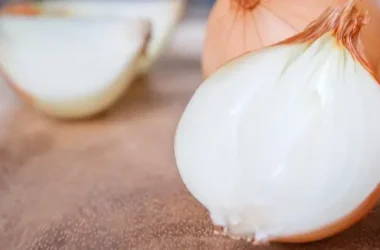
This potent compound also offers support for managing later stages of asthma and allergic rhinitis. You’ll find quercetin concentrated in the peels of apples and the skins of red onions. For enhanced absorption, consume it with healthy fats, such as coconut oil.
Omega-3 Fatty Acids: Essential for Reducing Inflammation
Omega-3 fatty acids, specifically Docosahexaenoic Acid (DHA) and Eicosapentaenoic Acid (EPA), naturally occur in fish oil. These essential fatty acids are considered vital components of a natural antihistamine approach, providing protective effects against inflammatory conditions like asthma and various allergies.
You can obtain abundant omega-3s from a range of foods. Top sources include fatty fish such as salmon, sardines, and mackerel. Plant-based options include olive oil, canola oil, flaxseed oil, chia seeds, nuts, and soybeans.
Safely Incorporating Natural Remedies into Your Life
Integrating these natural antihistamine sources into your daily diet is a proactive step toward managing allergy symptoms. Focus on consuming a balanced diet rich in whole foods, fruits, vegetables, and healthy fats.
When considering dietary changes or new supplements, it’s wise to discuss these with a healthcare professional. They can offer personalized guidance, ensuring these remedies are safe and appropriate for your specific health needs and do not interact with any existing medications.
Conclusion: Embracing Nature’s Allergy Solutions
Natural antihistamines provide a compelling avenue for those seeking to alleviate allergy symptoms using dietary and herbal approaches. By understanding how these natural compounds work and where to find them, you empower yourself to make informed choices for your health.
Embrace a balanced lifestyle, enrich your diet with these beneficial foods, and experience the potential for natural relief from seasonal and environmental allergies. Always prioritize a holistic approach to your health, combining natural solutions with professional guidance when needed.