
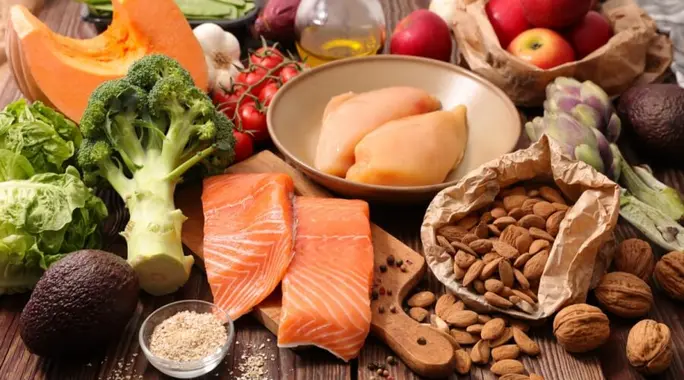
Living with Gastroesophageal Reflux Disease (GERD), commonly known as acid reflux, often brings uncomfortable symptoms like heartburn, regurgitation, and chest pain. While medication can offer relief, the food choices you make play a pivotal role in managing your condition. A well-planned GERD-friendly diet can significantly reduce symptoms and improve your overall well-being. This guide helps you understand which foods to embrace and which to limit to take control of your digestive health.
- Understanding GERD and the Role of Diet
- Foods to Embrace for GERD Relief
- Foods to Avoid: Common GERD Triggers
- Benefits of a GERD-Friendly Eating Plan
- Practical Tips for Managing GERD Through Diet
- When to Seek Medical Advice
- Conclusion
Understanding GERD and the Role of Diet
Gastroesophageal Reflux Disease (GERD) occurs when stomach acid frequently flows back into the tube connecting your mouth and stomach (esophagus). This backwash can irritate the lining of your esophagus, causing unpleasant symptoms like heartburn, regurgitation, and a sour taste.
While various factors contribute to GERD, including lifestyle habits and anatomical issues, your diet stands out as a primary area for intervention. Certain foods can relax the lower esophageal sphincter (LES), the muscle that prevents acid reflux, or increase stomach acid production, leading to more severe symptoms. Conversely, a well-chosen diet can help manage these issues effectively.
Foods to Embrace for GERD Relief
Incorporating specific foods into your daily meals can significantly help in reducing acid reflux symptoms. These foods either help neutralize stomach acid, promote healthy digestion, or are less likely to irritate your esophagus.
Fiber-Rich Foods for Digestive Health
High-fiber foods keep you feeling full, which helps prevent overeating – a common trigger for acid reflux. They also support healthy digestion and can potentially reduce the likelihood of acid reflux.
- Whole Grains: Opt for oatmeal, brown rice, and whole-wheat bread.
- Root Vegetables: Include sweet potatoes, carrots, and beets in your diet.
- Green Vegetables: Asparagus, broccoli, and green beans are excellent choices.
Alkaline Foods to Neutralize Stomach Acid
Foods with a higher pH level can help balance stomach acidity. Integrating these into your meals offers a natural way to counteract reflux.
- Bananas: A low-acid fruit that can coat an irritated esophageal lining.
- Melons: Watermelon and cantaloupe are naturally alkaline.
- Cauliflower and Nuts: These options are also beneficial for their alkaline properties.
Hydrating Foods to Soothe Your Esophagus
Foods with high water content can dilute stomach acid, reducing its potency and making it less irritating if reflux occurs.
- Celery and Cucumber: Both are great for hydration and easy on the stomach.
- Lettuce: A simple, low-acid leafy green.
- Herbal Tea: Non-caffeinated herbal teas can be very soothing.
Lean Proteins and Healthy Fats
Choosing lean protein sources and healthy fats can support satiety without aggravating GERD symptoms, unlike fatty meats or fried foods.
- Lean Meats: Skinless chicken, turkey, and fish like salmon.
- Egg Whites: A good source of protein without the fat content of yolks, which can sometimes be problematic.
- Healthy Fats: Avocados, walnuts, and olive oil provide essential nutrients without triggering reflux.
- Legumes: Lentils and beans are also great protein sources.
The Soothing Power of Ginger
Ginger, with its well-known anti-inflammatory properties, acts as a natural remedy for many digestive issues, including GERD. You can incorporate fresh ginger into your cooking, teas, or smoothies.
Low-Fat Dairy Alternatives
Full-fat dairy products can sometimes trigger reflux due to their fat content. Switching to low-fat options or plant-based alternatives can be beneficial.
- Low-Fat Milk and Yogurt: Choose these over their full-fat counterparts.
- Plant-Based Milks: Almond milk or soy milk are often well-tolerated.
Foods to Avoid: Common GERD Triggers
Certain foods can relax the lower esophageal sphincter or increase acid production, directly leading to acid reflux symptoms. Identifying and limiting these triggers is crucial for managing GERD.
High-Fat and Fried Foods
Fatty foods take longer to digest, causing the stomach to remain full for extended periods and increasing pressure on the LES. This often leads to acid reflux.
- Fried Dishes: French fries, onion rings, and fried chicken.
- Full-Fat Dairy: Creamy sauces, ice cream, and high-fat cheeses.
- Greasy Snacks: Potato chips and pastries.
Acidic Fruits and Vegetables
While healthy, some fruits and vegetables can be highly acidic and may worsen reflux symptoms in sensitive individuals.
- Citrus Fruits: Oranges, lemons, limes, and grapefruit.
- Tomatoes: Ketchup, tomato sauce, and raw tomatoes.
- Pineapple: Known for its high acidity.
Chocolate: A Surprising Culprit
Chocolate contains a compound called methylxanthine, which can relax the smooth muscles of the LES, allowing stomach acid to flow back into the esophagus. This makes it a common trigger for GERD sufferers.
Spicy, Minty, and Caffeinated Items
These food categories often irritate the esophagus or stimulate acid production, exacerbating GERD symptoms.
- Spicy Foods: Dishes with hot peppers, excessive onion, or garlic.
- Peppermint: While often considered soothing, peppermint can relax the LES.
- Caffeine: Coffee, tea, and energy drinks can stimulate acid secretion.
Alcohol and Carbonated Beverages
Alcohol directly irritates the esophagus and relaxes the LES. Carbonated drinks can cause gas and bloating, increasing stomach pressure.
- Alcoholic Drinks: Beer, wine, and spirits.
- Sodas and Sparkling Water: The bubbles can worsen reflux.
Benefits of a GERD-Friendly Eating Plan
Adopting a specialized diet for GERD offers numerous advantages beyond just symptom relief. It empowers you to take control of your health and significantly improve your quality of life.
- Reduced Symptoms: Experience less heartburn, regurgitation, and discomfort.
- Improved Digestive Health: Promote a healthier gut environment and more efficient digestion.
- Better Sleep Quality: Minimize nighttime reflux, allowing for more restful sleep.
- Weight Management: Often, a GERD-friendly diet aligns with principles of healthy eating, supporting a healthy weight.
- Prevention of Complications: Consistent management helps prevent long-term complications like esophagitis or Barrett’s esophagus.
Practical Tips for Managing GERD Through Diet
Beyond knowing what to eat and what to avoid, adopting certain eating habits can further enhance your GERD management strategy. These practical tips make a significant difference in your daily comfort.
Timing Your Meals Wisely
Avoid eating large meals close to bedtime. Give your stomach at least two to three hours to digest food before you lie down. This allows gravity to help keep stomach acid where it belongs.
Eating Smaller, More Frequent Portions
Instead of three large meals, consider eating five to six smaller meals throughout the day. This approach reduces the pressure on your stomach and the LES, minimizing the chances of reflux.
Maintaining a Healthy Weight
Excess weight, particularly around the abdomen, puts increased pressure on your stomach, which can force acid back into the esophagus. A GERD-friendly diet, combined with regular exercise, supports healthy weight management.
Post-Meal Posture
Remain upright for at least two hours after eating. Avoid bending over or lying down immediately after meals. This simple act uses gravity to your advantage, keeping stomach contents in place.
When to Seek Medical Advice
While dietary changes are highly effective, it’s crucial to know when to consult a healthcare professional. If you experience GERD symptoms two or more times per week, despite diligently following a GERD-friendly diet, it’s time to seek medical advice.
Your doctor can conduct further examinations, such as measuring acid levels or assessing for any esophageal damage. They may recommend additional treatments, including medications, or suggest further adjustments to your lifestyle and diet for optimal management of chronic reflux.
Conclusion
Managing GERD effectively often starts with understanding and adjusting your diet. By thoughtfully choosing foods that soothe your system and avoiding common triggers, you can significantly reduce uncomfortable symptoms and regain control over your digestive health. Remember that individual triggers can vary, so listening to your body and consulting with healthcare professionals remains key to your journey toward lasting relief.