



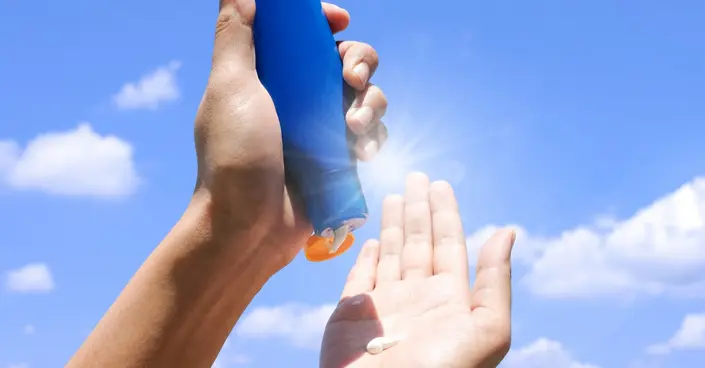
Sunscreen is an indispensable tool in your skincare arsenal, offering vital protection against the sun’s harsh rays. Many people understand its importance, but knowing how to use it correctly can make all the difference in safeguarding your skin effectively.
This guide will equip you with all the essential information about sunscreen use, from understanding its benefits to mastering application techniques and debunking common myths. Get ready to shield your skin like a pro!
Table of Contents
- Why Sunscreen Is Non-Negotiable
- When and How to Apply Sunscreen for Maximum Protection
- Understanding SPF: Your Sun Protection Factor
- Balancing Sun Exposure and Sunscreen: Vitamin D Concerns
- Sunscreen and Skin Pigmentation: What You Need to Know
- More Crucial Tips for Effective Sun Protection
Why Sunscreen Is Non-Negotiable
Sunscreen is more than just a summer accessory; it’s a daily necessity for maintaining healthy skin. Its primary role is to create a protective barrier against harmful ultraviolet (UV) radiation, which constantly emanates from the sun.
These UV rays pose significant threats to your skin’s health and appearance, making diligent sunscreen use absolutely crucial.
The Threat of Skin Darkening
Exposure to UV radiation triggers your skin to produce more melanin, the pigment responsible for skin color. While some may desire a tan, this darkening is a sign of sun damage.
Increased melanin production is your skin’s natural defense mechanism, but it doesn’t prevent deeper damage from occurring.
Preventing Painful Sunburns
Prolonged exposure to the sun’s intense UV rays can lead to painful sunburns. These burns are not just uncomfortable; they damage the delicate elastic and collagen fibers in your skin.
Repeated sunburns accelerate skin aging, increasing your susceptibility to wrinkles, fine lines, and a loss of skin elasticity over time.
Guarding Against Skin Cancer
Perhaps the most severe consequence of unprotected sun exposure is an increased risk of skin cancer. UV radiation is a powerful trigger that can cause skin cells to divide abnormally, leading to various forms of skin cancer.
Regular and proper sunscreen application significantly reduces this risk, acting as a crucial line of defense against potentially life-threatening conditions.
When and How to Apply Sunscreen for Maximum Protection
Maximizing sunscreen’s effectiveness depends heavily on proper application. You should apply sunscreen every single day, regardless of the weather, as UV rays can penetrate clouds and windows.
Aim to apply it generously to all exposed skin at least 15 minutes before stepping outside. This allows the product to fully absorb and form its protective barrier.
Furthermore, reapplication is key. You need to reapply sunscreen every two hours, or even more frequently if you are swimming, sweating heavily, or towel drying. Don’t skimp on the quantity; apply a visible, even layer to ensure comprehensive coverage.
Understanding SPF: Your Sun Protection Factor
The Sun Protection Factor (SPF) on your sunscreen label indicates its ability to shield your skin from UVB rays, which are the primary cause of sunburn. This number represents how much longer your skin can withstand sun exposure without burning, compared to unprotected skin.
For instance, if your skin normally takes 10 minutes to show signs of reddening without sunscreen, an SPF 30 sunscreen should theoretically allow you to stay in the sun 30 times longer – approximately 300 minutes or 5 hours – before burning. Always remember, however, that this is a theoretical calculation and reapplication every two hours remains critical.
Balancing Sun Exposure and Sunscreen: Vitamin D Concerns
The sun is a vital source of Vitamin D, an essential nutrient for bone health and immune function. This often raises questions about whether constant sunscreen use hinders Vitamin D synthesis.
While protecting your skin from harmful UV rays is paramount, brief, unprotected sun exposure for about 10-15 minutes a few times a week can help your body produce Vitamin D. After this short period, either return to the shade or apply sunscreen immediately to prevent damage.
Sunscreen and Skin Pigmentation: What You Need to Know
A common misconception is that sunscreen can magically erase existing dark spots or hyperpigmentation. Unfortunately, sunscreen does not work that way; it is not a treatment for existing discoloration.
What sunscreen effectively does, however, is prevent the worsening of existing pigmentation and stop the formation of new dark spots. It’s a preventative measure, protecting your skin from further damage and maintaining an even skin tone rather than correcting past issues.
More Crucial Tips for Effective Sun Protection
- Start Young: Introduce sunscreen use when children begin to have regular sun exposure. Many sunscreens are formulated specifically for infants and young children, offering gentle yet effective protection.
- Beyond the Bottle: Sunscreen alone isn’t enough for comprehensive protection. Supplement it by seeking shade whenever possible, wearing wide-brimmed hats and sunglasses, and donning protective clothing that covers your skin.
- Check Expiry Dates: Always check the expiry date on your sunscreen. Expired sunscreen loses its effectiveness and may not provide adequate protection, potentially harming your skin rather than helping it.
- Broad-Spectrum Protection: Ensure your sunscreen offers “broad-spectrum” protection. This means it defends against both UVA rays (which contribute to aging and skin cancer) and UVB rays (which cause sunburn). This information is usually clearly stated on the product packaging.
- For Everyone: Sunscreen is essential for everyone, regardless of gender or skin tone. Both men and women, and individuals of all complexions, are susceptible to sun damage and can benefit immensely from consistent sunscreen use.
Mastering sunscreen use is a cornerstone of lifelong skin health. By understanding its profound benefits and implementing proper application techniques, you empower yourself to protect your skin effectively from the sun’s damaging effects.
Make sunscreen a non-negotiable part of your daily routine and enjoy healthier, more resilient skin for years to come.