
Did you know your kitchen might harbor more germs than your bathroom? Studies reveal shocking statistics about bacteria in our homes, with the kitchen sink often being a major culprit.
From common pathogens like E. coli, Campylobacter, and Salmonella, germs can easily enter your kitchen through raw ingredients, unwashed hands, and even pets. If you don’t handle, store, or cook food properly, these contaminants can spread rapidly, leading to food poisoning, cold and flu symptoms, and other illnesses.
Protect yourself and your loved ones. This comprehensive guide provides essential, easy-to-follow steps for preparing and cooking food safely, ensuring a healthier and happier kitchen environment.
Table of Contents
- Kitchen Germs and Foodborne Illness
- Mastering Handwashing
- Safe Handling of Raw Foods
- Cooking Food Thoroughly
- Cooling and Storing Cooked Food Safely
- Washing Fruits and Vegetables
- Maintaining Kitchen Cleanliness
Kitchen Germs and Foodborne Illness
The average kitchen sink can harbor 100,000 times more germs than a bathroom. Pathogens like E. coli, Campylobacter, and Salmonella frequently enter our kitchens through unwashed hands, raw food items, and even household pets. Once inside, these invisible threats can multiply rapidly, posing serious health risks.
Improper food handling, inadequate cooking, and incorrect storage practices are common pathways for foodborne illnesses. These can manifest as uncomfortable food poisoning, persistent cold or flu-like symptoms, and other concerning health conditions. Understanding these risks is the first step toward a safer kitchen.
Mastering Handwashing
Your hands are primary vehicles for germ transmission. Before you start cooking, after touching raw ingredients, handling packaging, or visiting the restroom, always wash your hands thoroughly. Use soap and warm water, scrubbing for at least 20 seconds, to effectively remove harmful bacteria and prevent their spread to your food and surfaces.
Safe Handling of Raw Foods
Raw meats, including poultry, can carry harmful bacteria that transfer easily to anything they touch. This includes other foods, countertops, cutting boards, and utensils. Careful handling is paramount to prevent cross-contamination and keep your kitchen safe.
Preventing Cross-Contamination
Always keep raw foods, especially meats, poultry, and seafood, separate from ready-to-eat items like bread, salads, and fruits. Since you won’t cook these ready-to-eat foods before consumption, any germs transferred to them will remain. Use separate cutting boards for raw and ready-to-eat foods, as food safety experts strongly recommend.
When storing raw meats, place them in a clean, tightly sealed container on the bottom shelf of your refrigerator. This prevents drips from contaminating other foods below.
The Poultry Washing Myth
Many people believe they should wash raw poultry before cooking it. However, food safety experts advise against this practice. Washing poultry can splash harmful bacteria, like Campylobacter, onto your sink, countertops, and other surfaces, spreading germs rather than removing them.
Proper cooking temperatures effectively kill any bacteria present on poultry, making washing an unnecessary and potentially risky step.
Freezing Poultry and Germs
While freezing can reduce levels of some bacteria, such as Campylobacter, it does not eliminate them entirely. Freezing pauses bacterial growth, but they can become active again once thawed. The safest way to kill all harmful bacteria in poultry is to cook it thoroughly to the correct internal temperature.
Storing Raw Meat Correctly
Proper storage is crucial for raw meat. Always keep raw meat, poultry, and seafood in clean, sealed containers. Place them on the lowest shelf of your refrigerator to prevent any juices from dripping onto and contaminating other foods. This simple step can significantly reduce the risk of cross-contamination.
Cooking Food Thoroughly
Cooking food to the correct internal temperature is essential for killing harmful bacteria. Always ensure your food is steaming hot all the way through before you eat it.
Foods That Need Thorough Cooking
Certain foods require extra attention to ensure they are fully cooked. These include:
- Poultry (chicken, turkey, duck)
- Offal (liver, kidney, etc.)
- Burgers
- Sausages
- Rolled joints of meat
- Kebabs
Checking for Doneness
You can often check doneness by observing certain visual cues. For burgers, sausages, chicken, and pork, make a cut into the thickest part. Ensure the meat is no longer pink, the juices run clear, and it’s steaming hot throughout.
When cooking a whole chicken or other birds, pierce the thickest part of the leg (between the ankle and thigh). Look for clear juices and ensure there’s no pink meat visible. For pork joints and rolled joints, insert a skewer into the center; the juices should be clear, and the meat should not be pink.
Exceptions for Whole Cuts of Meat
Steaks and other whole cuts of beef or lamb can be served rare or medium-rare, provided they are cooked quickly at a high temperature on the outside. This searing process effectively kills any surface bacteria, while the interior remains less cooked. However, always exercise caution and ensure the exterior is well-cooked.
Cooling and Storing Cooked Food Safely
If you’re not eating cooked food immediately, cool it quickly to room temperature, ideally within 90 minutes, before refrigerating. Placing hot food directly into the refrigerator can raise the internal temperature of the fridge, preventing even cooling and creating a breeding ground for bacteria, which increases the risk of food poisoning.
Maintain your refrigerator’s temperature below 5°C (41°F). If your refrigerator has an internal freezer compartment, it might struggle to maintain the optimal temperature for the fridge section. Consider investing in a fridge thermometer to monitor this accurately.
Washing Fruits and Vegetables
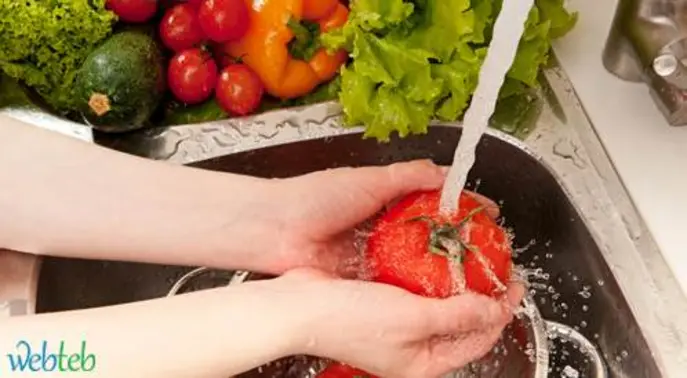
Always wash fruits and vegetables under cold running water before eating them. This simple step helps remove visible dirt, pesticides, and surface germs. Peeling or cooking fruits and vegetables can also effectively eliminate these contaminants.
Never use dish soap or other household cleaning products to wash produce. These products are not safe for human consumption and can leave harmful residues on your food.
Maintaining Kitchen Cleanliness
A clean kitchen is a safe kitchen. Wash all surfaces and cutting boards thoroughly before and after preparing food. These areas can easily become sources of cross-contamination. Disturbingly, studies show the average cutting board can carry approximately 200% more fecal bacteria than a toilet seat!
Sponges and damp cloths are ideal breeding grounds for bacteria. Make it a habit to wash and replace your kitchen sponges, cloths, and tea towels frequently to prevent germ buildup and ensure your cleaning tools aren’t inadvertently spreading contaminants.
By following these vital food safety practices, you take proactive steps to protect your health and the well-being of your family. A clean, safe kitchen is the foundation of healthy eating.