
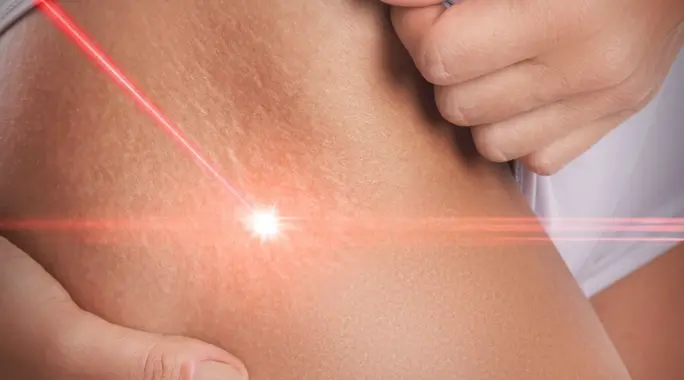
Cellulite is a common skin concern, affecting many people and often impacting their confidence. Those dimpled areas, particularly on the thighs and buttocks, can be frustratingly stubborn. While various methods claim to help, laser technology has emerged as a promising and effective solution. This guide explores how laser cellulite treatment works, its benefits, and what you can expect from this innovative approach to achieving smoother skin.
- What Is Cellulite?
- Understanding Laser Cellulite Treatment
- Alternative Cellulite Treatment Options
- What Causes Cellulite?
What Is Cellulite?
Cellulite develops when fat deposits push through the connective tissue beneath your skin. This creates the characteristic dimpled, lumpy appearance, most often seen on the thighs, buttocks, and abdomen. It happens because of changes in the skin’s underlying structure and the way fat is stored.
Understanding Laser Cellulite Treatment
Laser technology offers a sophisticated approach to improving the appearance of cellulite. Specific laser types target the root causes of cellulite, leading to smoother, firmer skin. One notable technique involves a minimally invasive laser called Cellulaze, which uses tiny laser fibers inserted beneath the skin’s surface.
How Laser Therapy Works
The energy emitted by the laser performs several key actions:
- Breaks Down Fibrous Bands: It targets and releases the tough, fibrous bands that pull the skin down, creating dimples.
- Increases Skin Thickness: Laser energy helps thicken the skin, which is often thinner in areas affected by cellulite, reducing its visibility.
- Stimulates Collagen Production: The treatment encourages your body to produce new collagen, an essential protein for skin elasticity and firmness.
- Improves Skin Texture and Elasticity: It enhances the overall texture and suppleness of the skin.
- Tightens Skin and Boosts Circulation: The laser tightens loose skin, improves blood flow to the treated area, and can help reduce fluid retention.
The Procedure and Recovery
Although laser cellulite treatment involves small incisions where the laser fibers enter, it is generally safe. Doctors typically perform the procedure in their office under local anesthesia. You may need a day or two of rest afterward.
Often, clinics combine laser cellulite treatment with other therapies like massage, light therapy, or even liposuction to optimize results.
Expected Results and Durability
Patients often observe a significant reduction in cellulite, with improvements of up to 75% in skin appearance. These positive changes can last for about a year. While some cellulite may gradually return over time, the initial improvement is substantial and long-lasting for many individuals.
Alternative Cellulite Treatment Options
Beyond laser therapy, several other methods aim to tackle cellulite. Each works differently and offers varying results.
Cryolipolysis (Fat Freezing)
This method freezes and destroys fat cells, which the body then naturally eliminates. It is also used for body contouring and requires several sessions, with results appearing after about 3-4 months.
Acoustic Wave Therapy
Acoustic wave therapy uses targeted sound waves on affected areas. Patients usually undergo multiple sessions to achieve desired outcomes.
Massage Techniques and Devices
Various devices provide targeted massage to cellulite-prone areas. This technique works by temporarily redistributing fat, offering a temporary improvement in cellulite appearance. Results typically require 10 to 20 sessions.
Topical Creams and Serums
Many creams and lotions claim to improve cellulite by breaking down fat or stimulating collagen. Common ingredients include caffeine, theophylline, and aminophylline. However, these products often have limited impact on deep fat and connective tissue. Retinol creams (at about 0.3%) have shown some effectiveness by thickening the skin and improving its appearance.
Subcision (Tissue Release)
During subcision, a dermatologist inserts a needle under the skin to release the fibrous bands and tissues causing cellulite. This method has proven effective, offering longer-lasting results, sometimes up to three years. Patients might experience mild pain or bruising, but severe side effects are rare when an expert performs the procedure.
What Causes Cellulite?
While the exact causes of cellulite are not fully understood, a combination of factors contributes to its development:
- Genetic and Hormonal Influences: Your genes and hormone levels play a significant role.
- Skin Thickness: Thinner skin can make cellulite more noticeable.
- Gender and Age: Cellulite is far more common in women than men, and its appearance often increases with age.
- Lifestyle Factors: An unhealthy diet, lack of physical activity, inconsistent dieting, dehydration, and the amount of body fat can all contribute to cellulite.
Understanding these factors helps in managing and treating cellulite effectively.
Conclusion
Cellulite can be a persistent challenge, but modern aesthetic treatments offer effective solutions. Laser cellulite treatment stands out as a powerful option that directly addresses the underlying causes of dimpled skin, providing significant and lasting improvements. If you’re considering this or other treatments, consulting a qualified specialist can help you determine the best approach for your unique needs and goals, paving the way to smoother, more confident skin.