



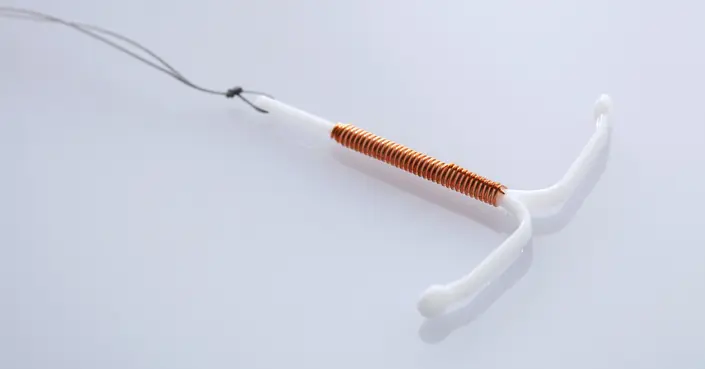
Getting an Intrauterine Device (IUD) is a significant and effective choice for birth control. After the insertion procedure, it’s natural to have questions about resuming your regular activities, especially sexual intimacy. Understanding the specific guidelines for when you can safely have sex after IUD insertion is crucial for both your comfort and the device’s contraceptive effectiveness.
This article will guide you through the recommended waiting periods, essential precautions, and what you need to know about intimacy after getting an IUD.
Table of Contents
- What is an IUD?
- Understanding the Waiting Period After IUD Insertion
- General Precautions After IUD Insertion
- Importance of Timing and Preparation
- IUD Replacement: What You Need to Know
What is an IUD?
An Intrauterine Device, or IUD, is a small, T-shaped birth control device that a healthcare provider inserts into your uterus. It offers long-term, reversible contraception. IUDs are highly effective and come in two main types: copper and hormonal.
Copper IUDs, like Paragard, release copper ions into the uterus. These ions create an inflammatory reaction that is toxic to sperm and eggs, preventing fertilization. This type of IUD contains no hormones.
Hormonal IUDs, such as Mirena, Skyla, Liletta, and Kyleena, release a progestin hormone directly into the uterus. This hormone thickens cervical mucus, thins the uterine lining, and can suppress ovulation, all working together to prevent pregnancy.
Understanding the Waiting Period After IUD Insertion
The crucial question for many is when you can resume sexual intercourse after getting an IUD. The timing largely depends on the specific type of IUD you receive, as well as how your body recovers from the insertion procedure.
Generally, healthcare providers recommend avoiding intercourse and insertion of anything into the vagina for a short period immediately after placement. This precaution helps minimize the risk of infection and allows the uterus to settle.
Copper IUDs: Immediate Protection
If you receive a copper IUD, you benefit from immediate contraceptive protection. These devices begin working to prevent pregnancy as soon as your healthcare provider inserts them.
However, even with immediate protection, it’s still advisable to follow your provider’s recommendation regarding a brief waiting period for intercourse to reduce infection risk and ensure comfort.
Hormonal IUDs: When to Expect Protection
The protective timeline for hormonal IUDs is slightly different. If a healthcare provider inserts your hormonal IUD within the first seven days of your menstrual period, it is immediately effective at preventing pregnancy.
However, if you receive the hormonal IUD at any other point in your menstrual cycle, you will need to use a backup method of contraception, such as condoms, for the first seven days after insertion. After this week, the hormonal IUD becomes fully effective.
General Precautions After IUD Insertion
Beyond the specific waiting period for sexual activity, it’s wise to observe a few general precautions following IUD insertion. These steps help ensure a smooth recovery and reduce potential complications.
- Avoid Vaginal Insertion: Refrain from inserting anything into your vagina, including tampons, menstrual cups, or douching products, for at least 24-48 hours, or as advised by your healthcare provider. This minimizes the risk of infection.
- Avoid Hot Baths: Stick to showers instead of hot baths for the first few days after insertion. This helps prevent infection by limiting exposure to bacteria in bathwater.
- Monitor for Pain: Expect some cramping or discomfort after insertion. However, if you experience unusually severe or persistent pain, especially during intercourse, contact your doctor immediately. This could indicate a problem with the IUD’s placement or an infection.
Importance of Timing and Preparation
Proper timing and preparation surrounding IUD insertion are vital for ensuring its effectiveness and your comfort.
Before IUD Insertion
Your healthcare provider will always ensure you are not pregnant before inserting an IUD. Often, they prefer to insert it towards the end of your menstrual period. At this time, you are usually certain you are not pregnant, and your cervix may be slightly more dilated, making insertion more comfortable.
If you have had unprotected sex within three weeks prior to your scheduled IUD insertion, discuss this with your doctor. They may recommend delaying insertion or taking additional precautions to rule out pregnancy.
After IUD Insertion
Once your IUD is in place, you should generally avoid sexual intercourse for at least three days. This allows your body to recover, helps the IUD settle into position, and significantly reduces the risk of bacterial infection. If you choose to have sex during this initial period, use a condom to provide additional protection against infection.
IUD Replacement: What You Need to Know
IUDs have a limited lifespan and require replacement after a certain number of years. Understanding the guidelines for sexual activity during IUD replacement is just as important as during the initial insertion.
Replacing an Expired IUD
If you are replacing an IUD that has reached its expiration date, ensure you use alternative contraception or abstain from sex from the first day of your last menstrual period until the new IUD is in place. If your periods are irregular, use reliable birth control (like oral contraceptives) or abstain from sex for three weeks before the scheduled replacement.
Replacing a Non-Expired IUD
If you decide to replace a non-expired IUD with a new one, your healthcare provider can often do this at any time, provided you are not experiencing heavy bleeding. To prevent the possibility of pregnancy between removals and insertions, many providers recommend avoiding sexual intercourse for seven days before the replacement procedure. Taking an over-the-counter pain reliever before your appointment can help manage any discomfort during the process.
Conclusion
Understanding when you can safely resume sexual activity after IUD insertion is key to a smooth experience and effective contraception. Remember that copper IUDs offer immediate protection, while hormonal IUDs may require a seven-day waiting period if not inserted during your period. Always follow your healthcare provider’s specific advice regarding waiting times, precautions, and any concerns. Prioritizing your health and well-being ensures your IUD works effectively for you.