
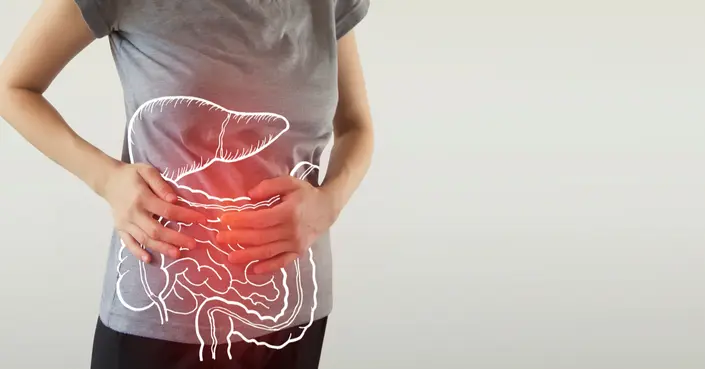
Ulcerative colitis (UC) is a chronic inflammatory bowel disease that primarily affects the large intestine. It causes inflammation and ulcers, leading to symptoms like abdominal pain, diarrhea, and rectal bleeding. If you or a loved one lives with UC, you’ve likely asked the crucial question: Is ulcerative colitis curable?
This article dives deep into the realities of ulcerative colitis, exploring current treatment options, the possibility of remission, and practical strategies for managing the condition to improve your quality of life.
Table of Contents
- Is Ulcerative Colitis Curable? Understanding the Reality
- Medical Approaches to Managing Ulcerative Colitis
- Natural and Lifestyle Strategies for UC Management
- Living Well with Ulcerative Colitis
Is Ulcerative Colitis Curable? Understanding the Reality
In short, no, ulcerative colitis is not currently considered curable in the traditional sense. It’s a chronic condition, meaning it’s a long-lasting disease that can recur throughout a person’s life. However, this doesn’t mean you are without hope or that you must endure constant suffering.
While a definitive cure remains elusive, significant advancements in medical and natural treatments allow many individuals with UC to achieve long-term remission. Remission is a period where the disease activity is minimal or absent, and symptoms subside. The primary goals of UC treatment are to:
- Alleviate Symptoms: Reduce the severity and frequency of flare-ups, bringing relief from pain and discomfort.
- Induce and Maintain Remission: Achieve a state where the disease is inactive for extended periods, ideally indefinitely.
Sometimes, people mistake a long period of remission for a cure, especially if their symptoms disappear unexpectedly. It’s important to remember that even without active symptoms, UC is still present in the body, and regular monitoring is often necessary. Remission can sometimes occur spontaneously without specific treatment, but it is typically sustained with appropriate medical management and lifestyle adjustments.
Medical Approaches to Managing Ulcerative Colitis
Even though a cure for ulcerative colitis isn’t available, numerous medical interventions and medications can significantly help manage the condition. A doctor will typically recommend treatment plans tailored to an individual’s specific case, considering the severity and extent of the disease.
Medications for Ulcerative Colitis
Medications for UC are often categorized into short-term treatments for acute flare-ups and long-term maintenance therapies. Here are the main types your doctor might prescribe:
- Aminosalicylates (5-ASAs): These medications are often the first line of defense for mild to moderate UC. They work by reducing inflammation in the lining of the colon and rectum. Available in various forms, including oral capsules and suppositories.
- Immunomodulators: When the immune system becomes overactive and attacks healthy tissues, these drugs help calm it down. They suppress the immune response to reduce inflammation.
- Corticosteroids: Prescribed for acute, severe flare-ups, corticosteroids are potent anti-inflammatory drugs. However, due to potential side effects, they are typically used for short periods to bring symptoms under control.
- Biologics: These advanced therapies target specific proteins in the immune system that contribute to inflammation. Biologics are often used for moderate to severe UC that hasn’t responded to other treatments.
- Other Medications: Depending on symptoms, doctors may also prescribe pain relievers, anti-diarrhea medications, antibiotics (to address secondary infections), iron supplements (for anemia due to blood loss), and antispasmodics.
Furthermore, if ulcerative colitis is accompanied by other health issues or complications, treating those conditions effectively can also help alleviate UC symptoms.
Surgical Options for Severe UC
For some individuals, medications may not be effective, or they may experience severe complications that necessitate surgery. Surgical intervention aims to remove the diseased parts of the colon, providing a potential “cure” from the disease in the affected area, though it comes with significant lifestyle changes. Available surgical options include:
- Proctocolectomy with Ileostomy: This procedure involves the complete removal of the colon and rectum. An opening (stoma) is created in the abdomen, and the end of the small intestine (ileum) is brought through it. Waste then empties into an external bag attached to the stoma.
- Ileoanal Anastomosis (J-Pouch Surgery): In this surgery, the colon and the diseased part of the rectum are removed, but the external rectal muscles are preserved. The surgeon then creates an internal pouch (often J-shaped) from the small intestine and connects it to the anus, allowing for more natural bowel movements.
Natural and Lifestyle Strategies for UC Management
Beyond medical treatments, several natural and lifestyle approaches can significantly help manage ulcerative colitis and keep symptoms under control. These strategies often complement conventional medicine:
- Probiotics: Consuming probiotic supplements or probiotic-rich foods like yogurt may help restore a healthy balance of gut bacteria, potentially reducing inflammation.
- Certain Natural Compounds: Some studies suggest that natural compounds, such as aloe vera gel and wheatgrass juice, might be beneficial in managing UC symptoms. Always discuss these with your doctor before trying them.
- Regular Exercise: Engaging in regular physical activity can help reduce stress, improve overall well-being, and potentially alleviate some UC symptoms. Aim to maintain a healthy body weight through diet and exercise.
- Adequate Hydration: Especially during periods of diarrhea, it’s crucial to drink sufficient amounts of water to prevent dehydration.
- Nutritional Supplements: UC can sometimes lead to malabsorption of nutrients. Your doctor might recommend supplements like calcium and vitamin D to address deficiencies.
- Dietary Adjustments: While there’s no one-size-fits-all UC diet, some individuals find relief by reducing their intake of red meat, dairy, high-fat foods, sulfur-rich foods, and, at times, certain types of fiber during flare-ups. Keeping a food diary can help identify personal triggers.
- Stress Reduction: Stress can often trigger or worsen UC symptoms. Incorporating stress-reducing activities like meditation, yoga, or deep breathing exercises into your routine can be beneficial. Eating smaller, more frequent meals can also aid digestion.
Living Well with Ulcerative Colitis
While ulcerative colitis may not have a cure, it is a highly manageable condition. With the right combination of medical treatments and proactive lifestyle adjustments, many individuals can achieve long-term remission, effectively control their symptoms, and lead fulfilling, active lives.
Remember to work closely with your healthcare team to develop a personalized management plan that addresses your unique needs and helps you navigate life with UC successfully. Staying informed and proactive in your care is key to living well with ulcerative colitis.