



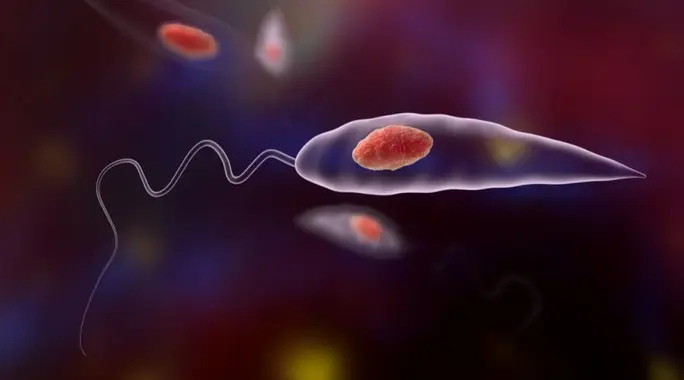
Leishmaniasis is a complex parasitic disease affecting millions worldwide. Many wonder about its contagious nature, particularly whether it can spread directly from person to person. While the answer might surprise you, understanding its primary mode of transmission and the rarer exceptions is crucial for prevention and awareness.
This article will clarify how Leishmaniasis spreads, identify who is most at risk, explore its different forms, and outline effective strategies for treatment and prevention.
- Is Leishmaniasis Contagious? The Direct Answer
- How Leishmaniasis Spreads: The Primary Transmission Method
- Who’s at Risk? Factors Increasing Leishmaniasis Vulnerability
- Understanding Leishmaniasis Types: A Closer Look
- Treating Leishmaniasis: Current Medical Approaches
- Preventing Leishmaniasis: Essential Protection Strategies
Is Leishmaniasis Contagious? The Direct Answer
In short, Leishmaniasis is generally not considered directly contagious from one person to another through casual contact. You won’t contract it by simply being near or touching someone who has the infection.
However, under specific and infrequent circumstances, direct human-to-human transmission can occur:
- Sharing medical needles previously used by an infected individual.
- Engaging in sexual activity with an infected partner.
- Transmission from a pregnant mother to her unborn child via the placenta.
- Receiving an organ transplant from an infected donor.
- Undergoing a transfusion of contaminated blood or sharing intravenous solutions with an infected person.
How Leishmaniasis Spreads: The Primary Transmission Method
Leishmaniasis parasites typically enter the human body through the bite of an infected female sand fly. Over 20 different Leishmania parasite species can cause the disease.
Female sand flies feed on blood to produce their eggs. If a sand fly feeds on an infected person or animal, it ingests the Leishmania parasites (in their amastigote form). These parasites then multiply in the fly’s gut, transforming into promastigotes.
The infection cycle then continues as follows:
- An infected sand fly bites a person, injecting promastigote-stage Leishmania parasites into their body. These parasites settle within mononuclear blood cells.
- The promastigotes convert back into the amastigote form.
- The Leishmania parasites multiply, spreading and infiltrating various tissues and cells throughout the body.
Sand flies are most active during the warmer months, typically from dusk until dawn, preferring the darker hours. These insects are prevalent in specific regions, particularly tropical areas. It’s important to note that humans are not the sole hosts for these parasites; approximately 70 different animal species can also serve as natural, permanent hosts.
Who’s at Risk? Factors Increasing Leishmaniasis Vulnerability
While the primary mode of transmission involves an infected sand fly bite, certain factors can heighten your risk of contracting Leishmaniasis or experiencing more severe health impacts:
- Weakened Immune System: Individuals with compromised immunity, such as those with HIV/AIDS, are significantly more vulnerable.
- Poor Living Conditions: Environments characterized by famine, malnutrition, or the necessity to sleep outdoors can increase exposure.
- Unsanitary Environments: Living in areas with poor sanitation often leads to a higher prevalence of sand flies.
- Mass Migration: Large-scale population movements, especially those triggered by climate change or conflicts, can lead to crowded conditions where the disease can spread more easily among vulnerable populations.
Understanding Leishmaniasis Types: A Closer Look
Leishmaniasis manifests in several forms, each presenting distinct symptoms and affecting different parts of the body:
Visceral Leishmaniasis (Kala-azar)
This chronic type can be fatal if left untreated, as it can severely damage vital organs. Key symptoms include:
- Persistent and severe fever.
- Profound physical weakness and fatigue.
- Bleeding tendencies and a decrease in blood volume.
- Swollen lymph nodes.
- Significant weight loss.
- Enlargement of the liver and spleen.
Cutaneous Leishmaniasis
As the most common form, cutaneous Leishmaniasis primarily affects the skin. It often leads to various skin complications, most notably ulcers at the site of the sand fly bite. Common symptoms include:
- Skin ulcers and lesions.
- Hyperpigmentation (darkening of the skin).
These skin lesions frequently leave noticeable and often disfiguring scars.
Mucocutaneous Leishmaniasis
This type predominantly impacts the skin and mucous membranes, often resulting in tissue damage within the mouth or nasal cavity. Symptoms may include:
- Nosebleeds or persistent runny nose.
- Difficulty breathing.
Treating Leishmaniasis: Current Medical Approaches
Treatment options for Leishmaniasis vary depending on the type and severity of the infection. Common approaches include:
- Medication: Specific anti-parasitic drugs are often prescribed, such as those containing antimony compounds.
- Cosmetic Surgery: In cases where Leishmaniasis has caused significant disfigurement, particularly facial lesions, cosmetic surgery may be necessary.
Notably, some individuals may experience spontaneous recovery from the infection without requiring any medical intervention.
Preventing Leishmaniasis: Essential Protection Strategies
Protecting yourself from Leishmaniasis, especially in areas where sand flies are prevalent, involves implementing several preventative measures:
- Use Bed Nets: Surround your bed with an insecticide-treated net to prevent flying insects from entering.
- Apply Insect Repellent: Spray insect repellent on your clothing and within your home, particularly in sleeping areas.
- Wear Protective Clothing: Dress in clothing that covers as much of your body as possible, especially during peak sand fly activity hours.
- Avoid Nighttime Outdoor Activities: Limit walking outdoors during the night, as sand flies are most active from dusk till dawn.
n
By understanding how Leishmaniasis spreads and taking appropriate precautions, you can significantly reduce your risk of infection.