
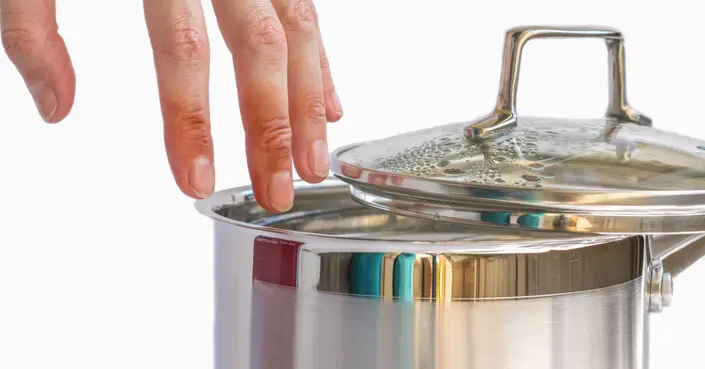
Hot water burns are a common household injury, often happening unexpectedly in kitchens or bathrooms. While many people underestimate the severity, these burns can cause significant pain and lasting damage if not handled correctly. Understanding how to react quickly and effectively can make a crucial difference in the outcome.
This comprehensive guide will walk you through everything you need to know about hot water burns – from identifying different types of burns and their symptoms to administering immediate first aid and knowing when professional medical attention is essential. We also provide practical tips to help you prevent these injuries in the first place.
Table of Contents
- Understanding Hot Water Burns
- Recognizing Symptoms of Hot Water Burns
- Common Causes of Hot Water Burns
- Immediate First Aid for Hot Water Burns
- When to Seek Medical Attention
- Preventing Hot Water Burns
Understanding Hot Water Burns
Hot water burns, also known as scalds, occur when your skin comes into contact with hot liquids or steam. These injuries can range from minor discomfort to severe damage, depending on the temperature of the water and the duration of exposure. Even a brief exposure to very hot water can result in a painful burn.
Scalds often cause immediate, intense pain. If left untreated, the heat can continue to damage skin tissues, sometimes leading to irreversible harm. Therefore, prompt and appropriate action is critical to minimize pain, limit tissue damage, and prevent potential complications.
Recognizing Symptoms of Hot Water Burns
The symptoms of a hot water burn vary significantly based on its depth and severity. Doctors typically categorize burns into three degrees, each with distinct characteristics. Understanding these differences helps you assess the injury and determine the best course of action.
Superficial Burns (First-Degree)
These burns affect only the outermost layer of your skin (epidermis). You will typically observe:
- Redness: The skin appears red, similar to a sunburn.
- Pain: You experience mild to moderate pain.
- Swelling: Slight swelling might occur.
There are usually no blisters with superficial burns, and the skin remains intact.
Partial-Thickness Burns (Second-Degree)
These burns extend into the second layer of your skin (dermis). They are generally more severe and painful, characterized by:
- Intense Redness: The affected area becomes intensely red.
- Blisters: Fluid-filled blisters often develop rapidly.
- Significant Pain: These burns are typically very painful.
- Swelling: Moderate to severe swelling.
- Moist Appearance: The skin may look wet or weeping.
The skin might appear red and white, or dark red and light yellow in some areas, indicating deeper damage.
Full-Thickness Burns (Third-Degree)
Full-thickness burns are the most severe, destroying both the epidermis and dermis, and potentially affecting underlying tissues like fat, muscle, or bone. These burns are extremely serious and require immediate medical attention. Symptoms include:
- Color Changes: The skin may appear white, leathery, charred black, or deep brown.
- Dry Appearance: The burned area often looks dry and waxy.
- Lack of Pain: Paradoxically, due to nerve damage, the person might feel no pain in the most severely burned areas, though surrounding less severe areas will be painful.
- Deep Tissue Damage: These burns penetrate deeply, often requiring surgical intervention.
Common Causes of Hot Water Burns
Hot water burns frequently result from everyday accidents, often linked to haste or momentary lapses in attention. Recognizing these common scenarios can help you adopt safer practices and prevent injuries.
- Spilled Hot Liquids: Accidental spills of hot drinks, soups, or cooking oil are a very common cause, especially in busy kitchens or around children.
- Steam Exposure: Steam from boiling pots, kettles, or microwave-heated foods can cause severe burns, particularly if you are too close when uncovering hot containers.
- Overly Hot Tap Water: Water heaters set to excessively high temperatures (above 48.8°C or 120°F) can lead to serious scalds during showering or bathing.
- Workplace Hazards: Environments like restaurants often maintain high water temperatures for sterilization, increasing the risk of severe scalds for employees during daily tasks. Even brief exposure in such settings can cause deep burns within seconds.
Immediate First Aid for Hot Water Burns
Acting quickly and correctly immediately after a hot water burn occurs is crucial for minimizing pain and reducing the severity of the injury. Follow these steps for effective first aid:
- Cool the Burn: Immediately place the burned area under cool (not cold or icy) running tap water for at least 10-20 minutes. This helps to reduce pain and stops the burning process. Never use ice directly on a burn, as it can cause further tissue damage.
- Remove Jewelry and Clothing: Gently remove any jewelry or tight clothing near the burned area before swelling begins. If clothing sticks to the burn, do not try to pull it off; instead, cut around it.
- Cover the Burn: Lightly cover the burn with a sterile, non-fluffy dressing or a clean, non-stick cloth. Avoid applying any butter, oil, or home remedies, as these can trap heat and increase infection risk.
- Manage Blisters (if present): If blisters form, do not pop them. Intact blisters provide a natural barrier against infection. If a blister breaks on its own, gently clean the area with mild soap and water, then apply an antibiotic ointment and a sterile dressing.
- Pain Relief: Over-the-counter pain relievers, such as ibuprofen or acetaminophen, can help manage discomfort. Always follow dosage instructions carefully. If you have pre-existing chronic conditions, consult a healthcare professional before taking new medications.
- Protect from Sun: Keep the burned area out of direct sunlight. Wear hats and long-sleeved clothing to shield the healing skin.
- Avoid Friction: Do not scratch or rub the burned area. Also, avoid tight clothing that could chafe or irritate the skin during the healing process.
- Stay Hydrated and Nourished: Drink plenty of water and maintain a healthy diet to support the body’s healing process.
When to Seek Medical Attention
While many minor hot water burns can be managed at home, certain situations warrant immediate professional medical evaluation. Seek medical help if you observe any of the following:
- Worsening Pain: If the pain significantly increases or becomes unbearable.
- Large Burn Area: If the burn covers a large portion of your body, especially if it’s larger than your palm.
- Deep Burn Characteristics: If the burn appears white, leathery, charred, or you experience numbness in the affected area (suggesting a full-thickness burn).
- Burns on Critical Areas: Burns on the face, hands, feet, genitals, or major joints.
- Signs of Infection: Increased redness, swelling, warmth, pus, or foul-smelling discharge from the burn site.
- Fever, Nausea, or Vomiting: If you develop a fever, nausea, or vomiting alongside the burn.
- No Improvement: If the burn shows no signs of healing or appears to worsen after a few days.
- Chemical or Electrical Burns: Although this article focuses on hot water, always seek immediate medical attention for chemical or electrical burns.
Preventing Hot Water Burns
Prevention is always the best approach when it comes to injuries. By implementing simple safety measures, you can significantly reduce the risk of hot water burns for yourself and your family.
- Cook Safely: Always use the back burners on your stove for boiling water and hot liquids. Turn pot handles inward, away from the edge, to prevent accidental knocks and spills.
- Handle Hot Drinks with Care: Place hot beverages toward the center or back of tables, out of reach of children and pets. Use sturdy, non-slip placemats.
- Adjust Water Heater Temperature: Set your home’s water heater thermostat to no higher than 48.8°C (120°F). This temperature is warm enough for household needs but significantly reduces the risk of scalding.
- Educate Children: Teach children about the dangers of hot water and steam from an early age. Emphasize that they should never play near boiling water or hot appliances.
- Assume Heat: Always assume that pots, kettles, and other cooking utensils are hot after being on the stove or in the microwave, even if the heat source is off. Hot liquids retain heat for a long time.
- Cover Boiling Water: Use lids on pots and kettles when boiling water. This helps to contain steam and reduces the chance of accidental spills.
By staying vigilant and adopting these safety habits, you create a much safer environment, especially for the most vulnerable members of your household.
Hot water burns are painful and potentially serious injuries that we can often prevent. By understanding their causes, recognizing symptoms, and knowing how to provide immediate first aid, you empower yourself to respond effectively in an emergency. Remember, prevention through safe practices in the kitchen and bathroom is your strongest defense. When in doubt about the severity of a burn, always prioritize seeking professional medical advice.