





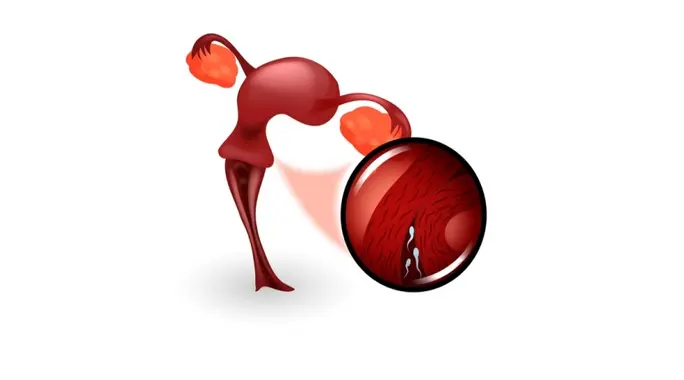
The female reproductive system is incredibly unique, and just like individuals, uteruses can vary significantly in their position and orientation. One such variation often discussed is a "high cervix," which frequently relates to a condition known as a tilted or retroverted uterus.
While a high cervix is often a normal anatomical variation, it can sometimes lead to questions or minor discomfort for some women. Understanding this common occurrence empowers you with knowledge about your body.
This comprehensive guide explores what a high cervix truly means, its connection to a tilted uterus, the various causes behind it, common symptoms, how medical professionals diagnose it, and the available treatment options if discomfort arises.
Table of Contents
- What is a High Cervix and Tilted Uterus?
- Common Causes of a Tilted Uterus and High Cervix
- Recognizing Symptoms of a Tilted Uterus
- Tilted Uterus, High Cervix, and Fertility: What You Need to Know
- Diagnosing a High Cervix and Tilted Uterus
- Treatment Options for a High Cervix and Tilted Uterus
What is a High Cervix and Tilted Uterus?
A high cervix often results from a uterine position known as a retroverted or tilted uterus. This anatomical variation occurs in about 20% of women, making it quite common.
Normally, the uterus tilts forward towards the abdomen. However, with a tilted uterus, it leans backward towards the spine or rectum instead. This backward tilt can make the cervix appear "high" or further back in the vaginal canal during internal examination or sexual activity.
It is important to understand that a tilted uterus is generally a normal variation, not a medical condition. For most women, it causes no issues or discomfort.
Common Causes of a Tilted Uterus and High Cervix
Several factors can contribute to a woman having a tilted uterus, leading to a high cervix position. These causes range from natural anatomical variations to specific medical conditions.
Innate Uterine Position
Some women are simply born with a uterus that naturally tilts backward. This is a normal anatomical variant that often remains unchanged after puberty. In these cases, the tilted uterus is considered a natural occurrence.
Pelvic Adhesions and Scar Tissue
Scar tissue, also known as adhesions, can form within the pelvic cavity due to various factors. Conditions like endometriosis, pelvic infections, or previous abdominal or pelvic surgeries can lead to these adhesions. They can pull the uterus backward, causing it to become tilted or retroverted.
Endometriosis
Endometriosis is a condition where tissue similar to the lining of the uterus grows outside the uterus. These growths can cause inflammation and scarring, which may bind the uterus to other pelvic structures and pull it into a backward-tilted position.
Uterine Enlargement (Fibroids, Pregnancy)
Conditions that cause the uterus to enlarge, such as uterine fibroids or pregnancy, can sometimes lead to a temporary or permanent tilt. During pregnancy, the ligaments supporting the uterus can stretch and weaken. While the uterus usually returns to its normal, forward-tilting position after childbirth, it may occasionally remain retroverted.
Weakened Pelvic Ligaments
The ligaments that hold the uterus in place within the pelvis can weaken over time. This weakening is common after childbirth or during menopause. When these ligaments become lax, they may no longer adequately support the uterus, allowing it to fall backward and become retroverted.
Recognizing Symptoms of a Tilted Uterus
Many women with a tilted uterus and high cervix experience no symptoms at all. They often discover this anatomical variation incidentally during a routine pelvic exam. However, some women might experience specific signs that could indicate a retroverted uterus, particularly if the condition is caused by other underlying issues.
Potential Signs to Watch For
- Pain during intercourse: Some women report discomfort or pain during certain sexual positions, especially those involving deep penetration.
- Back pain during menstruation: While common during periods, severe or unusual back pain can sometimes be associated with a tilted uterus.
- Painful menstrual periods: Increased cramping or pelvic pain during menstruation may occur.
- Urinary incontinence: Infrequent occurrences of urine leakage could be a subtle sign.
- Recurrent urinary tract infections (UTIs): A tilted uterus can sometimes contribute to changes that make UTIs more likely.
- Discomfort with tampon use: Finding tampons uncomfortable or difficult to insert or position correctly might be experienced.
Tilted Uterus, High Cervix, and Fertility: What You Need to Know
A tilted or retroverted uterus typically has no impact on a woman’s fertility or her ability to conceive. This uterine position does not hinder sperm from reaching the egg and fertilizing it.
Sperm are highly mobile and can navigate the reproductive tract effectively regardless of the uterus’s tilt. Therefore, if you have a tilted uterus, it is generally not a cause for concern regarding your reproductive health.
However, in rare cases of unexplained infertility, if all other potential causes have been thoroughly investigated and ruled out, a healthcare provider might consider the uterine position as a minor contributing factor. This is an exception, not the rule, and further discussion with a specialist would be necessary.
Diagnosing a High Cervix and Tilted Uterus
A healthcare provider can easily diagnose a tilted uterus during a routine pelvic examination. This straightforward process allows the doctor to assess the position and orientation of the uterus.
The Pelvic Exam Process
During the exam, the doctor inserts two fingers into the vagina and gently presses on the lower abdomen with the other hand. This technique allows them to feel the uterus between their hands, determining its size, shape, and position, including any backward tilt.
When to Seek Medical Advice
If you experience any of the symptoms mentioned earlier, such as persistent pelvic pain, discomfort during intercourse, or unusual menstrual pain, schedule a consultation with a healthcare professional. These symptoms, while sometimes linked to a tilted uterus, can also indicate other underlying health issues that require proper diagnosis and care.
Treatment Options for a High Cervix and Tilted Uterus
A tilted uterus usually requires no treatment if it causes no symptoms. However, if a woman experiences discomfort or issues directly attributed to this uterine position, several treatment options are available.
Addressing Underlying Conditions
When an underlying condition, such as endometriosis or pelvic inflammatory disease, causes the tilted uterus, treating that primary condition is the first step. For example, hormonal therapy can manage endometriosis, reducing inflammation and adhesions.
Pessary Use
A pessary is a small device, typically made of silicone or plastic, that a healthcare provider inserts into the vagina. It can provide support to the vaginal walls and uterus, helping to temporarily or permanently reposition the uterus to a more forward tilt. This can relieve pressure and discomfort for some women.
Specific Exercises
Certain exercises, such as knee-to-chest stretches performed while lying on your back, can sometimes help gently encourage the uterus to shift into a more comfortable position. While not a permanent solution, these exercises can offer temporary relief for some individuals.
Surgical Intervention
In rare cases, when other treatments are ineffective and symptoms are severe, surgical options may be considered. Laparoscopic surgery can reposition the uterus to a more "normal" forward-tilting position over the bladder. In very extreme circumstances where significant pain or other complications persist, a hysterectomy (surgical removal of the uterus) might be an option, though this is considered a last resort.


