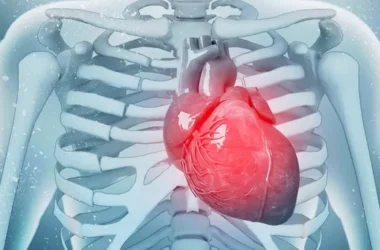




Have you ever heard of a heart abscess? This serious, life-threatening condition involves a collection of pus within or around the heart, often resulting from a severe infection. Understanding its symptoms, causes, and available treatments is crucial for early detection and better outcomes.
In this comprehensive guide, we delve into the vital information you need about heart abscesses, helping you recognize the signs and appreciate the importance of timely medical intervention.
Table of Contents
- What is a Heart Abscess?
- Recognizing Heart Abscess Symptoms
- What Causes a Heart Abscess?
- Diagnosing a Heart Abscess
- Treatment Options for Heart Abscess
- Preventing Heart Abscess
What is a Heart Abscess?
A heart abscess represents a serious, localized infection within the heart’s muscle, its lining (endocardium), or around its valves. This infection accumulates pus, often impacting native or prosthetic heart valves, surrounding structures, or even the heart’s intricate electrical conduction system.
Because of its potential to be life-threatening, a heart abscess demands immediate medical attention. Early and accurate diagnosis, followed by appropriate medical and surgical treatment, significantly improves patient survival rates.
Heart abscesses commonly develop in patients suffering from severe infective endocarditis, particularly affecting the aortic valve. This can lead to persistent blood infections (sepsis), worsening heart failure, disruptions in the heart’s electrical rhythm, and even the formation of abnormal connections (fistulas).
Recognizing Heart Abscess Symptoms
The symptoms of a heart abscess vary in intensity, largely depending on the type of bacteria or fungi causing the infection. Patients with existing heart conditions often experience more severe manifestations. Watch for these crucial symptoms:
Common Symptoms
- High Fever: A persistent and often elevated body temperature is a hallmark sign.
- Chest Pain and Persistent Cough: Discomfort in the chest, sometimes accompanied by a cough that doesn’t go away.
- Fatigue and General Weakness: Feeling unusually tired and weak, even with adequate rest.
- Difficulty Breathing (Dyspnea): Shortness of breath, which may worsen over time.
- New or Worsening Heart Murmur: A doctor may detect an abnormal heart sound during an examination.
- Muscle Aches: Generalized body or muscle pain.
- Headaches: Frequent or severe headaches without an obvious cause.
- Excessive Sweating: Particularly noticeable at night, often referred to as “night sweats.”
More Specific Signs
- Vessel Damage: Small broken blood vessels can appear in the eyes or on the skin.
- Painful Red/Purple Bruises: These may appear on the fingers and toes, sometimes accompanied by tiny bleeds under the fingernails or toenails.
- Unexplained Weight Loss: Significant and unintentional decrease in body weight.
- Painless Skin Spots: Small, flat, non-tender spots can develop on the soles of the feet or palms of the hands.
- Petechiae: Tiny spots may appear under the nails, in the whites of the eyes, on the chest, roof of the mouth, or inside the cheeks.
- Swelling: Edema in the extremities (arms and legs) or abdomen.
- Blood in Urine (Hematuria): Visible or microscopic blood in the urine, indicating kidney involvement.
What Causes a Heart Abscess?
A heart abscess typically arises as a complication of a pre-existing heart infection, most commonly infective endocarditis. However, several other factors can increase your risk:
Key Risk Factors and Causes
- Persistent or Transient Bacteremia: This occurs when bacteria enter the bloodstream, often through intravenous (IV) needles or other medical procedures.
- Intravenous Drug Use: The use of non-sterile needles dramatically increases the risk of introducing bacteria into the bloodstream, which can then travel to the heart.
- Recent Dental Surgery: Certain dental procedures can release bacteria into the bloodstream, potentially leading to a heart infection.
- Minor Surgical Procedures: Operations or minor interventions involving the respiratory tract, urinary system, infected skin, bones, or muscles can sometimes lead to bacteremia and subsequent heart infection.
- Heart Tissue Sensitivity: Conditions such as a recent myocardial infarction (heart attack) or issues with artificial heart valves can make heart tissues more vulnerable to infection and abscess formation.
Diagnosing a Heart Abscess
Diagnosing a heart abscess involves a thorough medical evaluation by a healthcare professional. Your doctor will carefully review your medical history, inquire about your symptoms, and assess for any underlying heart problems. This initial assessment guides the selection of necessary diagnostic tests and procedures.
Common Diagnostic Tests Include:
- Urine Tests: These can help identify signs of infection or other complications.
- Blood Tests: Blood cultures are crucial for identifying the specific bacteria or fungi causing the infection. Other blood tests can assess inflammatory markers and organ function.
- Echocardiography: This imaging technique uses sound waves to create detailed pictures of the heart’s structure and function. It is often the primary tool for visualizing an abscess, assessing valve damage, and evaluating overall heart health.
Treatment Options for Heart Abscess
The approach to treating a heart abscess depends on several factors, including the size of the abscess, the presence of complications, and the patient’s overall health. Treatment typically involves either strong antibiotics or surgical intervention.
Antibiotic Therapy
Doctors may treat a heart abscess with antibiotics, especially in patients who meet specific criteria:
- The heart abscess measures less than one centimeter in size.
- Patients do not experience complications like a heart block when receiving antibiotics.
- There is no evidence of severe valve damage or insufficiency.
Antibiotic treatment aims to eradicate the infection and prevent its spread. It often requires prolonged courses of intravenous antibiotics, administered in a hospital setting.
Surgical Intervention
If a patient does not respond effectively to antibiotic treatment, if the infection persists or worsens, or if a significant bacterial mass is attached to a heart valve (vegetation) or the heart valves suffer severe damage, surgery becomes the preferred option. Surgical intervention typically involves draining the abscess and repairing or replacing damaged heart valves, offering a definitive solution for complex or persistent infections.
Preventing Heart Abscess
Preventing a heart abscess primarily focuses on preventing infective endocarditis, the condition that often precedes it. The American Heart Association (AHA) recommends prophylactic (preventive) antibiotics for certain individuals at high risk of infective endocarditis to stop the condition from escalating into a heart abscess.
Individuals at High Risk Include Those With:
- Specific congenital heart defects.
- History of heart transplantation combined with heart valve problems.
- Artificial (prosthetic) heart valves.
- A previous history of infective endocarditis.
These at-risk patients should receive antibiotics before certain procedures that could introduce bacteria into the bloodstream. These procedures include:
- Dental procedures likely to cause bleeding.
- Interventions for respiratory tract disorders.
- Treatments for urinary tract diseases.
- Procedures related to gastrointestinal tract disorders.
- Management of skin infections.
Conclusion:
A heart abscess is a serious cardiac infection requiring prompt diagnosis and aggressive treatment. By understanding its definition, diverse symptoms, underlying causes, and available treatment strategies, individuals can better recognize when to seek medical help. Prevention, especially for those at high risk, plays a crucial role in safeguarding heart health against this challenging condition.