
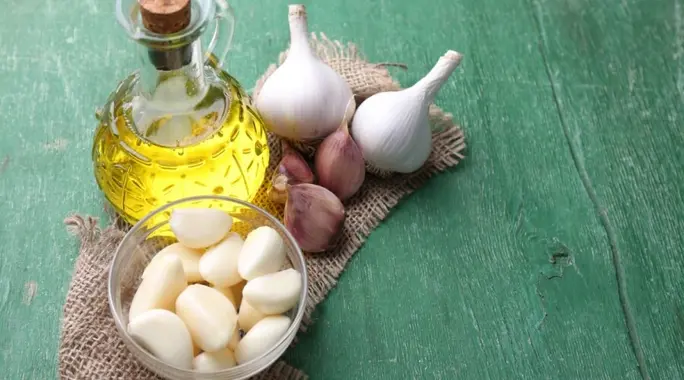
Many individuals grappling with hair loss, particularly from conditions like alopecia areata, often turn to natural remedies in search of a solution. Among the most discussed traditional treatments are garlic and olive oil. These ingredients, revered for their myriad health benefits, are frequently touted as natural cures for hair loss. But what does the science say? Can garlic and olive oil truly help treat alopecia, or are these claims simply folklore?
This article delves into the scientific evidence behind using garlic and olive oil for alopecia treatment. We will explore key studies, discuss practical application methods, and address potential side effects, helping you understand the real impact of these natural powerhouses on your hair health.
- Garlic and Olive Oil for Alopecia: Is It Effective?
- How to Use Garlic and Olive Oil for Alopecia
- Potential Side Effects of Garlic on Skin
- When to Seek Medical Treatment for Alopecia
- Conclusion
Garlic and Olive Oil for Alopecia: Is It Effective?
Many people explore natural remedies like garlic and olive oil to combat hair loss, particularly from alopecia areata. While both ingredients have a long history in traditional medicine, scientific research primarily focuses on garlic’s effectiveness. Studies exploring olive oil’s direct role in treating alopecia are significantly fewer.
The Science Behind Garlic for Alopecia
Research into garlic’s potential for alopecia treatment has yielded promising results:
Study 1: Garlic Gel vs. Corticosteroid
One notable study compared topical garlic gel with a corticosteroid cream, a common medical treatment for alopecia. Researchers involved 40 participants, dividing them into two groups. One group applied garlic gel to affected areas twice daily for three months, while the other used a corticosteroid cream similarly. The findings revealed significant improvement in hair regrowth for the group using garlic gel. Importantly, participants experienced no serious side effects from the garlic treatment. This suggests garlic could be a promising natural alternative or complementary therapy.
Study 2: Topical Garlic Extract’s Success
Another compelling study involved 10 individuals suffering from multiple bald patches on their scalps. They received topical garlic extract treatment for two consecutive months. Amazingly, all participants showed hair regrowth by the second week of treatment, with a 100% improvement rate observed by the study’s end. These results highlight garlic’s potential to stimulate hair follicles and encourage new growth.
Olive Oil and Hair Regrowth
Research specifically on olive oil’s ability to regrow hair in alopecia-affected areas is limited. One study, however, suggested olive oil could complement other treatments by promoting hair growth, rather than acting as a standalone cure. More extensive research is crucial to fully understand olive oil’s potential benefits for alopecia.
How to Use Garlic and Olive Oil for Alopecia
If you’re considering using garlic and olive oil as a natural approach to manage alopecia, here are two common application methods. Always remember to perform a patch test first to check for any skin sensitivities.
Method 1: Garlic and Olive Oil Mixture
- Prepare the Mixture: Crush several garlic cloves thoroughly and mix them with a small amount of olive oil until you form a paste.
- Apply to Affected Areas: Gently apply this mixture to the bald patches on your scalp twice daily.
- Allow Absorption: Leave the mixture on for at least 30 minutes each time to allow the active compounds to penetrate.
- Rinse Thoroughly: After the desired time, wash your scalp well. Repeat this routine daily for two to three months for potential results.
Method 2: Garlic Followed by Olive Oil
- Prepare Garlic: Cut a fresh garlic clove in half to expose its natural juices.
- Apply Garlic: Rub the cut side of the garlic directly onto the affected areas of your scalp. Avoid washing your hair for at least 30 minutes after application.
- Rinse and Condition: Wash your hair thoroughly after the waiting period. Then, apply a small amount of olive oil to the treated areas. This step can help soothe any itching or burning sensation caused by the garlic and provide additional hair nourishment.
Potential Side Effects of Garlic on Skin
While topical garlic is generally safe, some individuals may experience mild side effects, such as a burning sensation or itching. Interestingly, these reactions are sometimes attributed to increased blood flow to the hair follicles, which proponents believe can stimulate new hair growth. However, if these sensations become uncomfortable or severe, discontinue use.
When to Seek Medical Treatment for Alopecia
If you find natural remedies like garlic and olive oil aren’t providing the desired results, or if you experience significant irritation, it’s wise to consult a healthcare professional. A doctor can recommend conventional medical treatments, which may include:
- Topical corticosteroid creams or injections
- Minoxidil creams
- Anthralin
- Other prescription medications tailored to your specific condition
Conclusion
In conclusion, scientific studies suggest that garlic holds promise as a natural remedy for alopecia areata, demonstrating encouraging results in stimulating hair regrowth with minimal side effects. Olive oil, while beneficial for overall hair health, appears to play more of a complementary role, with further research needed to confirm its direct impact on alopecia. Always approach natural remedies with caution and consider professional medical advice for persistent or severe hair loss.