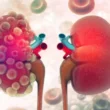




Receiving a kidney disease diagnosis can feel overwhelming, often coming as a shock since the condition typically presents no symptoms in its early stages. Many newly diagnosed patients worry about their health deteriorating and potentially facing dialysis.
However, it’s crucial to understand that a kidney disease diagnosis doesn’t always lead to severe outcomes. Most cases are manageable, and proactive steps can significantly influence your long-term health. This guide offers practical advice to help you navigate your journey with kidney disease confidently.
Table of Contents
- Understanding Your Kidney Disease Diagnosis
- Lifestyle Adjustments for Kidney Health
- Crucial Vaccinations for Kidney Patients
- Navigating Medications with Kidney Disease
- When Kidney Disease Progresses
Understanding Your Kidney Disease Diagnosis
While a kidney disease diagnosis might feel daunting, the outlook for most individuals is actually reassuring. Kidney disease is a common condition, and for many, it remains stable, meaning it won’t worsen over time. In fact, only about 1 in 20 kidney patients will ever experience kidney failure requiring dialysis or a kidney transplant.
Dispelling Common Fears About Kidney Failure
Experts emphasize that newly diagnosed patients should not panic. A decrease in kidney function does not automatically mean kidney failure. Sometimes, this decline is a completely natural part of aging, as kidney function, like that of other organs, naturally diminishes over the years.
Knowing you have kidney disease can be a challenge. It’s always beneficial to discuss your condition with your doctor. Ask for advice on how kidney disease might impact you and what specific steps you can take to care for your kidneys moving forward.
Lifestyle Adjustments for Kidney Health
Even if your kidney disease is mild and stable, it serves as an important indicator of your future health. Kidney disease, even in its early stages, increases your risk of developing heart disease and stroke compared to the general population. This makes lifestyle improvements even more critical for kidney patients.
Prioritizing Your Heart Health
Improving your lifestyle and prioritizing your heart health offers significant benefits for kidney disease management. Consider adopting these habits:
- Maintain a healthy weight and exercise regularly: Aim for at least 150 minutes of moderate-intensity exercise each week for the average adult. You can use a Body Mass Index (BMI) tool to assess if you are at a healthy weight.
- Quit smoking: Smoking severely impacts kidney health and overall cardiovascular well-being. Seek support to help you quit.
- Eat a balanced and healthy diet: Focus on whole foods, fruits, and vegetables. If you have advanced kidney disease, a dietitian may recommend a specific dietary plan tailored to your needs. Learn how to achieve a balanced diet.
- Reduce your salt intake: Minimizing salt helps manage blood pressure and blood sugar levels. Avoid salt substitutes, as some contain ingredients that can be harmful to kidney patients.
- Manage underlying conditions: If you have diabetes or high blood pressure, diligent management is essential. Work closely with your healthcare provider to keep your blood pressure and blood sugar levels within target ranges.
- Stay hydrated as usual: Drink water when you feel thirsty, unless your doctor or dietitian advises otherwise. There is no evidence that drinking excessive amounts of water benefits kidney disease.
Taking these self-care steps can significantly support your kidney health.
Crucial Vaccinations for Kidney Patients
Vaccinations play a vital role in protecting individuals with kidney disease, as they face an increased risk of severe infections.
Flu and Pneumonia Shots: Why They Matter
It is important for kidney patients to receive vaccinations against:
- Influenza (Flu): Get this vaccine annually.
- Pneumonia: This vaccine is also known as the “pneumonia shot.”
Kidney disease elevates your risk of contracting the flu. Furthermore, if you do get the flu, your chances of developing more serious complications, such as bronchitis and pneumonia, significantly increase. These vaccines are often provided free of charge to kidney patients at medical clinics.
The flu shot is typically available every autumn, starting in September. The pneumonia shot usually requires only one dose, though some individuals might need booster doses every five years.
For those with kidney failure, it is essential to get vaccinated against Hepatitis B before starting hemodialysis or undergoing a kidney transplant.
Navigating Medications with Kidney Disease
Kidney patients must exercise caution with medications, as some can be harmful. Always consult your doctor or pharmacist about any new or existing medications.
Managing Blood Pressure and Diabetes Medications
Kidney problems often worsen due to high blood pressure (hypertension) and diabetes. If you have either of these conditions, your doctor might prescribe long-term daily medications to prevent further kidney damage.
Commonly, doctors prescribe blood pressure-lowering drugs called ACE inhibitors (Angiotensin-Converting Enzyme inhibitors). These medications protect the kidneys but can sometimes cause a cough as a side effect. If this occurs, your doctor might switch you to Angiotensin Receptor Blockers (ARBs), which belong to a similar class of drugs.
Both ACE inhibitors and ARBs offer kidney protection. However, they can cause issues if you become dehydrated. Therefore, seek advice from your doctor or pharmacist if you experience diarrhea or vomiting while taking them.
Understanding Statins and Kidney Health
Your doctor might also prescribe medications called statins because kidney disease increases your risk of cardiovascular diseases, such as heart attacks and strokes. Statins work by lowering cholesterol levels in your blood, thereby reducing your risk of these cardiovascular events.
Important Considerations for All Prescriptions
Your doctor may adjust the dosages of medications you take for other conditions if you have kidney disease. They might also advise you to temporarily stop taking certain prescribed medications if you fall ill with diarrhea, vomiting, or fever. This precaution helps to avoid the risk of dehydration or further kidney injury.
However, never stop taking any prescribed medication without first consulting your doctor or pharmacist. It is equally important to restart your medication once your condition improves.
When Kidney Disease Progresses
Sometimes, preventing the progression of kidney disease is not possible. If your kidney disease is severe or worsening, your doctor will refer you to a hospital where a specialized kidney care team will oversee your treatment plan.
Comprehensive Care and Preparation
This treatment plan might include a specialized diet and additional medications, such as iron therapy to prevent anemia, and vitamin D supplements to maintain bone and muscle health. The hospital’s medical team, comprising doctors, nurses, dietitians, social workers, and pharmacists, will provide support to prepare you for the possibility of ongoing treatment like dialysis or kidney transplantation.
Managing kidney disease involves a proactive approach to your health. By understanding your condition, making appropriate lifestyle adjustments, staying up-to-date with vaccinations, and carefully managing your medications, you empower yourself to live a healthier life. Always maintain open communication with your healthcare team to ensure the best possible care for your kidneys and overall well-being.