
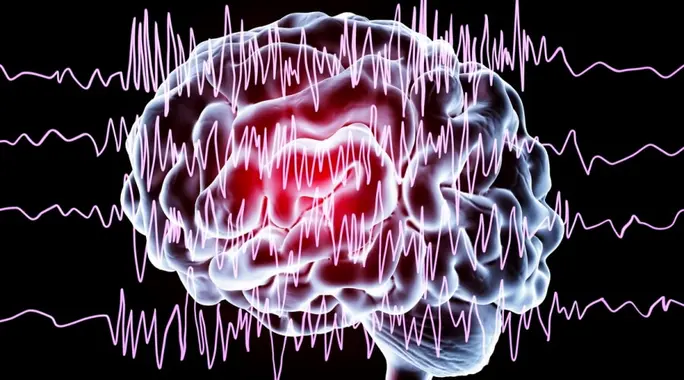
Many people use the terms epilepsy and electrical brain activity interchangeably, but they represent distinct neurological concepts. While related, understanding their precise differences is crucial for accurate diagnosis and effective management. This article delves into the critical distinctions, similarities, and when to seek medical advice.
- What is the Difference Between Epilepsy and Electrical Brain Activity?
- Exploring the Similarities Between Epilepsy and Electrical Brain Activity
- When Should You Seek Medical Attention?
- Conclusion: Clearer Understanding, Better Health
What is the Difference Between Epilepsy and Electrical Brain Activity?
The primary distinction between epilepsy and general abnormal electrical brain activity lies in their definition, underlying causes, specific types, and diagnostic approaches. Understanding these nuances helps clarify a sometimes confusing medical landscape.
Epilepsy: A Neurological Condition
Epilepsy is a chronic neurological disorder characterized by recurrent, unprovoked seizures. These seizures result from sudden, uncontrolled bursts of electrical activity in the brain, disrupting normal brain function. For a diagnosis of epilepsy, a person must typically have at least two unprovoked seizures more than 24 hours apart, or one unprovoked seizure with a high risk of more.
Understanding Abnormal Electrical Brain Activity
Abnormal electrical brain activity, often referred to as ‘electrical charges’ or ‘seizure-like events,’ signifies a temporary disruption in the brain’s normal electrical signals. Unlike epilepsy, these events might be isolated incidents triggered by various underlying factors. While epilepsy is a primary cause of recurrent abnormal electrical activity, a single episode does not necessarily indicate epilepsy itself.
Causes of Epilepsy
Epilepsy can stem from several factors, often involving changes in brain structure or function. Common causes include:
- Genetic Predispositions: Certain genetic mutations can increase susceptibility.
- Brain Damage: Injuries from stroke, brain tumors, severe head trauma, or previous brain infections like meningitis or encephalitis.
- Developmental Disorders: Conditions such as autism or neurofibromatosis.
- Unknown Causes: In many cases, the exact cause remains unclear, referred to as idiopathic epilepsy.
Causes of Abnormal Electrical Brain Activity
Temporary abnormal electrical brain activity can arise from various triggers, some distinct from epilepsy itself:
- Underlying Epilepsy: As the chronic condition causing recurrent seizures.
- High Fever: Especially in children, leading to febrile seizures.
- Head Injuries: Acute trauma can induce a single seizure.
- Alcohol or Drug Withdrawal: Sudden cessation can trigger activity.
- Metabolic Imbalances: Severely high or low blood sugar, electrolyte disturbances, or kidney/liver failure.
- Vascular Issues: Conditions like strokes or transient ischemic attacks (TIAs).
- Brain Tumors or Infections: These can cause acute symptomatic seizures.
- High or Low Blood Pressure: Extreme fluctuations can sometimes lead to seizure-like events.
Types of Epilepsy
Epilepsy presents in many forms, each with unique characteristics:
- Generalized Epilepsy: Affects both sides of the brain from the outset. Examples include generalized tonic-clonic seizures, absence seizures, and myoclonic seizures.
- Focal (Partial) Epilepsy: Originates in one area of the brain. Symptoms depend on the affected brain region and can range from subtle changes in sensation to full convulsions.
- Progressive Myoclonic Epilepsy (PME): Often inherited, this type typically emerges in late childhood or adolescence, causing generalized weakness and progressive seizures.
- Refractory Epilepsy: This form persists despite optimal medication treatment, posing significant challenges to management.
- Reflex Epilepsy: Seizures in this type are consistently triggered by specific stimuli, such as flashing lights, strong emotions, or extreme temperatures.
Types of Electrical Brain Activity
Abnormal electrical brain activity can manifest in various ways, often classified by how it affects the brain:
- Generalized Seizures: Involve widespread electrical activity across both hemispheres of the brain. They are further divided into:
- Absence Seizures (formerly petit mal): Characterized by brief, sudden lapses in awareness or staring spells, often with subtle eye fluttering.
- Tonic-Clonic Seizures (formerly grand mal): These are more dramatic, involving sudden loss of consciousness, body stiffening (tonic phase), and rhythmic jerking (clonic phase), often leading to a fall.
- Focal Seizures: Occur when abnormal electrical activity is localized to a specific area in one brain hemisphere. Symptoms vary widely depending on the affected brain region.
Diagnosing Epilepsy
Diagnosing epilepsy requires a comprehensive evaluation. Doctors typically rule out other potential disorders and look for recurrent, unprovoked seizures, often separated by more than 24 hours. Electroencephalograms (EEGs), which measure brain electrical activity, and brain imaging, such as MRI, are crucial tools in identifying abnormal brain activity patterns and structural abnormalities.
Diagnosing Abnormal Electrical Brain Activity
Diagnosing abnormal electrical brain activity, especially isolated events, often involves identifying any accompanying symptoms or underlying conditions. For instance, if elevated blood sugar accompanies the activity, an uncontrolled diabetic condition might be the direct cause. The focus here is on identifying the specific trigger for the isolated event rather than a chronic neurological disorder. This often involves blood tests, toxicology screenings, and immediate neurological assessment.
Exploring the Similarities Between Epilepsy and Electrical Brain Activity
Despite their differences, epilepsy and other forms of abnormal electrical brain activity share several commonalities, which can sometimes lead to confusion.
- Symptom Overlap: Both conditions can present with similar symptoms, including convulsions, loss of consciousness, altered awareness, and sensory disturbances. However, these symptoms alone are insufficient to definitively diagnose epilepsy or pinpoint another cause.
- Increased Risk of Accidents and Loss of Consciousness: Both epilepsy and other causes of abnormal electrical activity elevate the risk of accidents and sudden loss of consciousness due to their impact on motor control and awareness. This risk underscores the importance of proper diagnosis and management.
- Typical Seizure Duration: Most episodes, whether epileptic or not, usually resolve spontaneously within a few minutes. Concern arises if an episode lasts longer than five minutes, indicating a potential medical emergency known as status epilepticus.
- Co-occurrence with Other Disorders: Sometimes, a person with epilepsy may also experience abnormal electrical activity triggered by a separate underlying condition, not directly related to their epilepsy. Accurate diagnosis is essential to differentiate these occurrences and address all contributing factors.
When Should You Seek Medical Attention?
While many isolated instances of abnormal electrical brain activity may not be immediately life-threatening, the underlying cause might require prompt medical intervention. Therefore, consult a healthcare professional in the following situations:
- Known Medical Conditions: If you have a known medical condition, like uncontrolled high blood pressure, diabetes, or a brain injury, that could trigger seizures.
- Accompanying Neurological Symptoms: If you experience other neurological symptoms alongside seizure-like activity, such as persistent headaches, weakness, vision changes, or confusion.
- Pregnancy: During pregnancy, if you experience any signs of abnormal electrical activity or have a known epilepsy diagnosis, immediate medical consultation is crucial for both maternal and fetal health.
- First Seizure: After experiencing your very first seizure or unexplained episode of altered consciousness. This warrants a thorough medical evaluation to determine the cause.
- Prolonged Seizures: If a seizure lasts longer than five minutes, or if multiple seizures occur without full recovery between them.
Conclusion: Clearer Understanding, Better Health
Distinguishing between epilepsy and other forms of abnormal electrical brain activity is vital for effective diagnosis and management. While both involve disruptions in brain signals, epilepsy is a chronic condition characterized by recurrent, unprovoked seizures, whereas other electrical events may be isolated and triggered by various factors. Understanding these differences empowers you to seek appropriate medical care and better manage your neurological health. Always consult a medical professional for an accurate diagnosis and personalized treatment plan.