



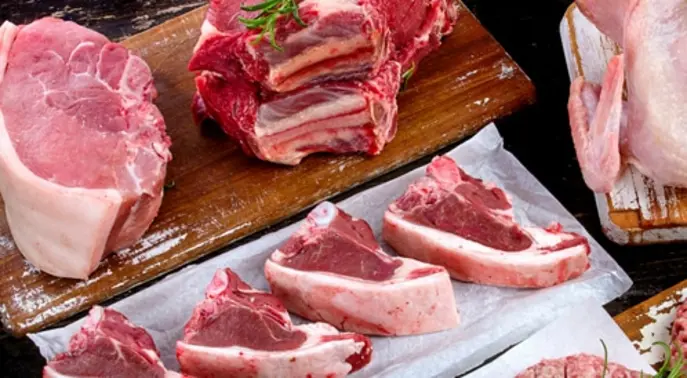
Eid al-Adha, a time of profound joy and celebration, is synonymous with sharing and enjoying meat. For many, it’s a unique period of increased meat consumption, often significantly more than during the rest of the year. While these feasts are a cherished tradition, it’s crucial to understand how your meat choices and intake can affect your health.
This guide will help you navigate the Eid al-Adha celebrations by providing insights into the benefits and potential drawbacks of meat consumption, offering practical tips for healthier choices, and ensuring you can savor every moment without compromising your well-being.
- The Eid al-Adha Meat Tradition: Benefits and Potential Drawbacks
- Smart Choices: Selecting Healthier Meat Cuts
- General Healthy Eating Tips for Eid al-Adha
- Meat Consumption and Diabetes: Understanding the Connection
- Conclusion
The Eid al-Adha Meat Tradition: Benefits and Potential Drawbacks
Celebrating Eid al-Adha with family and friends often involves generous portions of delicious meat. This beloved tradition brings both nutritional advantages and potential health considerations, depending on how and what you consume.
Nutritional Powerhouse: The Benefits of Meat
Meat stands out as an excellent source of high-quality protein, which your body needs for building and repairing tissues. It provides all essential amino acids, which your body cannot produce on its own and must obtain through diet. Furthermore, your body efficiently absorbs the protein from meat.
For instance, just 100 grams of cooked meat contains approximately 25-30 grams of protein, fulfilling 40-50% of your recommended daily intake. Meat also offers vital vitamins and minerals, including Vitamin B12, zinc, and iron. Red meats, such as beef, turkey, liver, and other organ meats, are particularly rich in these beneficial nutrients.
The Other Side: Potential Risks of Overconsumption
While beneficial in moderation, excessive protein intake can lead to its accumulation and conversion into fat within the body. Moreover, many types of meat, particularly lamb, contain high levels of fat, including saturated fats. Consuming too much saturated fat significantly increases your risk of developing heart and cardiovascular diseases, along with stroke.
Smart Choices: Selecting Healthier Meat Cuts
You can still enjoy the nutritional benefits of meat while minimizing its drawbacks by making smart choices. Focus on selecting leaner cuts that offer high protein, vitamin, and mineral content with less fat.
Consider these healthier options:
- Veal slices
- Chicken breast
- Red turkey meat
- Beef fillet
- Sirloin (tenderloin)
- Chicken thighs
- Veal shoulder
Conversely, some parts are less healthy due to their high-fat content:
- Chicken skin
- Visible white fat on meat slices
- Fat found in bone marrow
- Fat clinging to bones in certain cuts, like ribs
It’s also advisable to reduce your intake of processed and pre-mixed meats. Products like kebabs, hamburgers, sausages, and various deli meats often contain unknown quantities of fat and lower overall quality, which can negatively impact your health.
General Healthy Eating Tips for Eid al-Adha
Eid al-Adha is a time for celebration, and you don’t need to deprive yourself of the festive foods. However, practicing moderation and making conscious choices can enhance your enjoyment and protect your health during this period of increased consumption.
- Limit Portions: Aim for only one meat meal per day, ensuring the portion does not exceed 300 grams. Remember, excess protein can convert into harmful fats.
- Monitor Intake for Specific Conditions: If you have high cholesterol or elevated uric acid levels, restrict your daily meat consumption to 100-150 grams.
- Athletes and Specific Needs: Athletes, especially those with low iron or Vitamin B12 levels, might need to increase their meat intake. Always consult a doctor or a nutritionist for personalized advice, as individual needs vary significantly.
Meat Consumption and Diabetes: Understanding the Connection
Emerging research and clinical observations suggest a strong link between excessive meat consumption and an increased risk of developing type 2 diabetes. Many medical professionals and nutritionists highlight how certain components in meat can pave the way for this condition.
Meats, especially processed varieties, often contain significant amounts of carbohydrates, fats, salts, and sugars. These elements, when consumed in excess, can collectively lead to a major imbalance in the body’s metabolism, significantly contributing to the development of diabetes. Making informed choices about your meat intake can therefore play a crucial role in managing your risk.
Conclusion
Eid al-Adha is a wonderful time for family, reflection, and feasting. By understanding the health implications of meat consumption and making mindful choices, you can fully embrace the spirit of the holiday while safeguarding your well-being. Enjoy your celebrations responsibly, focusing on balanced meals and savoring the delicious traditions in a healthy way.