
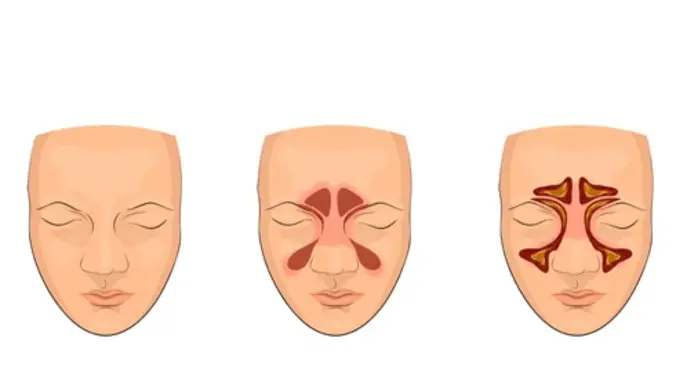
Suffering from sinusitis can be incredibly disruptive, bringing with it a host of uncomfortable symptoms like congestion, facial pain, and pressure. Millions experience this frustrating condition annually, seeking effective ways to find relief and regain their comfort. While professional medical advice is always valuable, many simple yet powerful strategies can significantly ease your discomfort and help you manage a sinus infection more effectively. This guide provides actionable tips to help you navigate sinusitis with greater ease.
Understanding and applying these sinusitis tips can make a significant difference in your recovery process and overall well-being.
Table of Contents
- Understanding Over-the-Counter Relief
- Stay Hydrated: The Power of Fluids
- Create a Moist Environment with Humidifiers
- Practice Nasal Irrigation for Clear Sinuses
- Continue Daily Activities (If You Feel Up To It)
- Consider Travel Disruptions: Flying with Sinusitis
- Avoid Alcohol to Prevent Dehydration and Swelling
- Swimming Precautions During a Sinus Infection
- Steer Clear of Smoke and Irritants
- Protect Yourself from Environmental Irritants
- When to Seek Professional Medical Advice
Understanding Over-the-Counter Relief for Sinusitis
When you experience sinusitis symptoms, certain over-the-counter (OTC) medications can offer relief. Pain relievers like acetaminophen or ibuprofen effectively manage headache and facial pain associated with a sinus infection.
However, exercise caution with nasal decongestant sprays. While they may provide temporary relief from congestion, consistent or prolonged use (beyond three days) can worsen your symptoms, leading to what’s known as rebound congestion. If you opt for them, use them sparingly and strictly as directed.
Stay Hydrated: The Power of Fluids
Maintaining adequate hydration is crucial when you have sinusitis. Drinking plenty of water and other non-alcoholic liquids helps thin mucus, making it easier to drain and relieving congestion. Warm beverages, such as herbal tea or broth, can be particularly soothing and help clear your nasal passages.
Create a Moist Environment with Humidifiers
Dry air can irritate inflamed nasal passages and thicken mucus. Using a humidifier in your home, especially in your bedroom, adds moisture to the air. This helps soothe your sinuses, loosen congestion, and make breathing more comfortable. Always follow the manufacturer’s instructions for cleaning your humidifier to prevent mold and bacteria growth.
Practice Nasal Irrigation for Clear Sinuses
Nasal irrigation, using a neti pot or saline rinse bottle, can be an incredibly effective sinusitis tip. This practice flushes out mucus, allergens, and irritants from your nasal passages and sinuses. Always use sterile water (distilled, pre-boiled and cooled, or filtered with an appropriate filter) and a saline solution specifically designed for nasal irrigation to ensure safety and effectiveness.
Continue Daily Activities (If You Feel Up To It)
Unlike some other illnesses, sinusitis is not contagious. Therefore, if your symptoms are manageable and you feel well enough, you can typically continue with your normal daily activities, including work or school. However, it’s essential to listen to your body and rest if you feel fatigued or unwell.
Consider Travel Disruptions: Flying with Sinusitis
Flying with a sinus infection can intensify pain in your ears and sinuses due to changes in air pressure. If possible, avoid air travel during an acute sinusitis episode. If flying is unavoidable, try to yawn or swallow frequently during takeoff and landing to help equalize pressure. Consult your doctor beforehand for advice on managing discomfort during travel.
Avoid Alcohol to Prevent Dehydration and Swelling
While staying hydrated is important, alcohol is not a beneficial fluid for sinusitis. Alcoholic beverages can dehydrate your body and promote swelling in the sinus tissues, potentially worsening your symptoms and prolonging your recovery. It’s best to avoid alcohol until your sinus infection clears.
Swimming Precautions During a Sinus Infection
The impact of swimming on sinusitis can vary. Some studies suggest that chlorine in swimming pools might irritate the nasal passages and airways. If you choose to swim, using nose plugs can help protect your sinuses from irritants in the water. Listen to your body and avoid swimming if it exacerbates your symptoms.
Steer Clear of Smoke and Irritants
Maintaining clean nasal passages is crucial for sinusitis relief. Smoke, whether from cigarettes, cigars, or secondhand exposure, acts as a significant irritant that can worsen inflammation and congestion in your sinuses. Avoid smoking yourself and steer clear of environments where others are smoking.
Protect Yourself from Environmental Irritants
Environmental irritants such as dust, pollen, and pollution can trigger or aggravate sinusitis symptoms. If you notice high levels of dust or poor air quality, try to limit your time outdoors. If you must go outside, consider wearing a mask to filter out airborne particles and protect your respiratory system.
When to Seek Professional Medical Advice
While many cases of sinusitis resolve with self-care and these practical sinusitis tips, sometimes medical intervention becomes necessary. Do not hesitate to contact a healthcare professional if your symptoms persist, worsen, or if you develop new concerning signs.
Key Symptoms Indicating a Doctor’s Visit:
- Severe pain in your upper jaw or teeth
- Persistent cough that doesn’t improve
- Ear pain or pressure
- Worsening sore throat
- Persistent bad breath
- Extreme fatigue that interferes with daily life
- Severe or worsening headaches
- Symptoms lasting longer than 10-14 days
- Fever
Your doctor can accurately diagnose your condition and recommend appropriate treatments, which might include antibiotics, prescription nasal sprays, or other interventions tailored to your specific situation.
Managing sinusitis effectively often involves a combination of these practical tips and attentive self-care. By understanding the causes and employing these strategies, you can significantly reduce discomfort and accelerate your recovery. Remember to listen to your body and prioritize your well-being. If your symptoms persist or worsen, do not hesitate to consult a healthcare professional for personalized advice and treatment.