
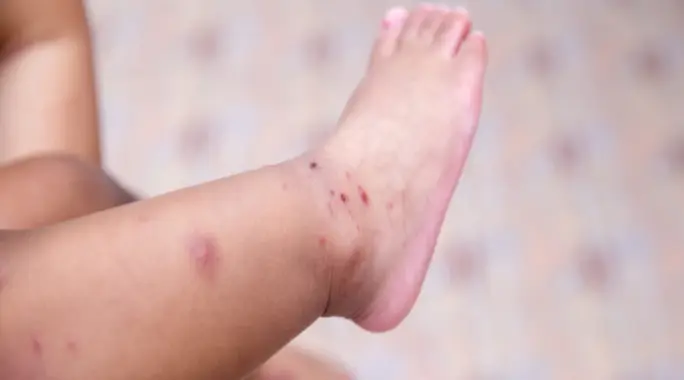
Hand, Foot, and Mouth Disease (HFMD) is a common viral infection, primarily affecting children under 10 years old. It often brings discomfort with symptoms like a sore throat, fever, and a distinctive rash or sores on the hands, feet, and inside the mouth. While it can be distressing for parents, understanding how to effectively manage its symptoms at home can make a significant difference in your child’s comfort and recovery.
Table of Contents
- Understanding Hand, Foot, and Mouth Disease
- Comforting Your Child: Practical Care Tips at Home
- When to Seek Medical Advice for HFMD
- Conclusion
Understanding Hand, Foot, and Mouth Disease
Hand, Foot, and Mouth Disease typically resolves on its own within 7 to 10 days. Although the symptoms can be uncomfortable, the virus is generally not severe. There is no specific cure for HFMD; instead, treatment focuses on relieving the symptoms and ensuring your child remains comfortable throughout the recovery period.
The Self-Limiting Nature of HFMD
Most children recover fully from Hand, Foot, and Mouth Disease without specific medical intervention. The body’s immune system effectively fights off the virus. Your role as a caregiver is to provide supportive care that alleviates pain and discomfort, allowing your child to rest and heal.
Essential Symptom Relief Strategies
Several options help reduce the symptoms of HFMD:
- Fever and Pain Relief: Administer age-appropriate doses of paracetamol (e.g., Tylenol) or ibuprofen (e.g., Advil, Motrin). These medications effectively lower fever and ease pain. Always follow dosage instructions carefully.
- Hydration: Encourage your child to drink plenty of fluids. This is crucial to prevent dehydration, especially when mouth sores make swallowing painful. Offer water and non-acidic juices.
Important Note: Never ignore a persistent high fever. Administer fever reducers at the correct dosage. Furthermore, avoid using aspirin for children in this situation, as it can lead to serious complications.
Comforting Your Child: Practical Care Tips at Home
Eating and drinking can become challenging for children with HFMD due to the painful mouth sores. Implementing specific strategies helps make meal times and hydration easier and less painful.
Managing Painful Mouth Sores
- Cold Drinks: Offer cold beverages, including cool water, to soothe the throat and reduce irritation from mouth sores.
- Warm (Not Hot) Drinks: Some children find warm, non-acidic drinks comforting. Ensure they are not hot, as heat can exacerbate pain.
- Soft Foods: Prepare easy-to-chew, soft foods that minimize friction with existing mouth sores. Examples include mashed potatoes, yogurt, applesauce, and smoothies.
- Frozen Treats: Ice cream, popsicles, and other frozen treats can provide temporary pain relief and hydration.
- Avoid Acidic Foods and Drinks: Steer clear of acidic items like citrus juices (orange, lemon), tomatoes, and salty snacks, as these can intensify the pain from mouth sores.
- Saltwater Rinse: If your child is old enough to understand not to swallow, a warm saltwater rinse can help reduce pain and promote healing of mouth sores.
When to Seek Medical Advice for HFMD
While HFMD is usually mild, certain signs indicate the need for professional medical evaluation. Contact your doctor if:
- Your child refuses to drink fluids, leading to signs of dehydration.
- Fever persists for more than three days.
- Your child has a weakened immune system.
- The symptoms of the virus are severe or worsening.
- Your child is under six months old.
Conclusion
Hand, Foot, and Mouth Disease is a common childhood illness that typically resolves on its own. While there is no specific cure, you can effectively manage symptoms at home with fever reducers, pain relievers, and careful attention to hydration and diet. Always consult a healthcare professional if symptoms are severe, persistent, or if you have any concerns about your child’s well-being.