


Sinusitis, an inflammation of the sinus lining, affects millions, bringing uncomfortable symptoms like facial pain, pressure, and congestion. It significantly impacts daily life, making simple tasks feel challenging. If you frequently experience sinus issues, you understand the frustration. But what truly helps clear up this common ailment? This guide explores effective home remedies, medical interventions, and practical prevention strategies to help you find lasting relief and breathe easier.
- Understanding Sinusitis
- Effective Home Remedies for Sinusitis Relief
- When to Seek Medical Treatment for Sinusitis
- Medical Interventions for Sinusitis
- Preventing Sinusitis: Lifestyle and Environmental Tips
- Common Causes and Risk Factors of Sinusitis
- Conclusion
Understanding Sinusitis
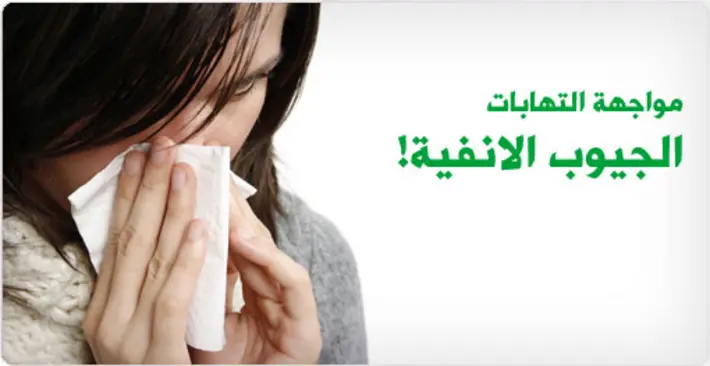
Sinusitis, or sinus infection, is a widespread condition affecting many adults and children. It occurs when the tissues lining the sinuses become inflamed and swollen, often due to infections or allergies. This inflammation traps mucus, creating pressure and discomfort in your face.
Children frequently experience sinusitis because they have a higher incidence of upper respiratory infections. Furthermore, their nasal passages and sinus openings are often narrower, making them more susceptible to blockages.
Effective Home Remedies for Sinusitis Relief
Before reaching for medication, you can often alleviate sinusitis symptoms with simple home remedies. These approaches help reduce inflammation, thin mucus, and promote drainage, offering significant comfort.
Rest and Hydration
Prioritize ample rest. Your body needs energy to fight off infection and recover. Simultaneously, drink plenty of fluids like water, juice, and clear broths. Hydration helps thin the mucus, making it easier to drain from your sinuses.
Over-the-Counter Pain Relief
Manage pain and reduce fever with over-the-counter medications. Options like paracetamol (acetaminophen) or ibuprofen can effectively alleviate headache, facial pain, and general discomfort associated with sinusitis.
Avoiding Irritants
Steer clear of substances that irritate your nasal passages and sinuses. These often include cigarette smoke, dust, and pet dander. Minimizing exposure to these triggers can prevent symptoms from worsening and promote healing.
Nasal Irrigation with Saline
Cleanse your nasal passages using a saline solution. Mix a quarter teaspoon of salt into one cup of warm, distilled water, or use a pre-made saline rinse. This method effectively reduces congestion and washes away irritants and excess mucus.
Steam Inhalation
Inhale warm, moist air to help open nasal passages and loosen mucus. You can achieve this by taking a hot shower or leaning over a bowl of hot water with a towel draped over your head. The steam provides soothing relief.
Herbal Teas for Congestion
Sip on warm herbal teas, such as hot ginger tea. Ginger possesses anti-inflammatory properties and can help reduce congestion and headaches. These warm beverages also contribute to your overall hydration.
When to Seek Medical Treatment for Sinusitis
While home remedies often suffice, sometimes medical intervention becomes necessary. Pay attention to your symptoms. If a cold persists for more than a week, becomes severe, or includes significant nasal blockage, you should consult a healthcare professional. These signs often indicate a bacterial infection requiring prescribed medication.
Medical Interventions for Sinusitis
When home remedies are insufficient, medical treatments can provide targeted relief and address underlying issues. Your doctor will tailor the approach based on the severity and nature of your sinusitis.
Decongestants
Healthcare providers often recommend decongestant preparations. These come as direct nasal sprays or oral medications. Use decongestants for a short period, typically three to five days, to avoid rebound congestion.
Antibiotics: When Are They Necessary?
If your symptoms strongly suggest a bacterial infection—such as persistent, severe symptoms beyond a week, or worsening pain—your doctor may prescribe antibiotics. It’s crucial to complete the entire course of antibiotics, even if you feel better, to ensure full eradication of the infection.
Pus Aspiration and Endoscopy
For severe, persistent symptoms accompanied by intense pressure or headaches, an Ear, Nose, and Throat (ENT) specialist may perform an endoscopy. During this procedure, the doctor uses a rigid or flexible endoscope to examine the deeper nasal passages and sinus openings. They can also aspirate pus, relieving blockages and reducing pain.
Steroid Therapy
For chronic or recurrent sinusitis, healthcare providers might consider steroid treatments. These powerful anti-inflammatory medications can significantly reduce swelling in the sinus linings. However, before starting steroid therapy, doctors thoroughly investigate and identify the root cause of the chronic condition to ensure the most effective treatment plan.
Preventing Sinusitis: Lifestyle and Environmental Tips
Taking proactive steps can significantly reduce your risk of developing sinusitis. Focus on maintaining nasal health and minimizing exposure to potential triggers.
Nasal Hygiene Practices
Keep your nasal passages clean by regularly rinsing your nose with tap water or a saline solution. During a cold, gently blow your nose to clear mucus without causing irritation.
Managing Environmental Factors
Avoid sudden, drastic changes in temperature. Furthermore, limit your exposure to sudden shifts in atmospheric pressure, such as those experienced during diving, especially if you are prone to sinus issues.
Oral Health Connection
Maintain consistent oral and dental hygiene. Poor dental health can sometimes contribute to sinus problems, particularly issues with upper teeth or after certain dental procedures.
Diet and Smoking Cessation
Embrace a balanced diet to support overall immune health. Critically, avoid smoking entirely, as it severely irritates nasal and sinus tissues, exacerbating inflammation and increasing susceptibility to infections.
Common Causes and Risk Factors of Sinusitis
Understanding the triggers behind sinusitis can help you better manage and prevent its recurrence. Several factors contribute to the inflammation and blockage of sinus passages.
Prolonged congestion and nasal blockage often follow common colds, which are typically viral infections. Moreover, exposure to allergens like dust, pollen, and air pollution can trigger allergic reactions that lead to nasal and sinus inflammation.
Environmental and Pressure Changes
Repeated exposure to sudden weather changes or significant atmospheric pressure shifts, such as during diving or flying, can cause the mucous membranes in the nose to become congested, contributing to sinusitis.
Anatomical Nasal Issues
Structural irregularities within the nose, like a deviated nasal septum, can impede proper drainage and airflow, making individuals more prone to chronic or recurrent sinusitis.
Dental Health Impact
Problems with the upper teeth, complications after a root canal, or sinus lift surgery can sometimes extend to the maxillary sinuses, leading to inflammation and infection.
Conclusion
Sinusitis, while common and uncomfortable, is highly manageable. By understanding its causes, embracing effective home remedies, and knowing when to seek medical intervention, you empower yourself to find significant relief. Furthermore, adopting preventative measures can drastically reduce future occurrences. Take control of your sinus health and breathe easier.