



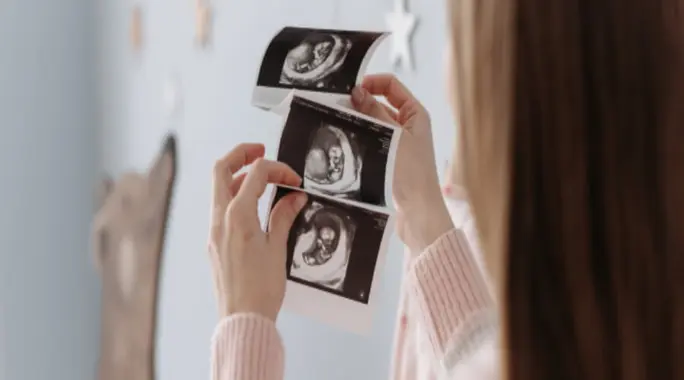
Many women of reproductive age worry about ectopic pregnancies and often have questions about how they differ from a normal pregnancy. Understanding these distinctions is crucial for maternal health and safety. A normal pregnancy occurs when a fertilized egg successfully implants and develops within the uterus. In contrast, an ectopic pregnancy happens when the fertilized egg implants outside the uterus, most commonly in a fallopian tube.
This article sheds light on both conditions, helping you recognize the key differences and understand why prompt medical attention is vital for an ectopic pregnancy.
- Understanding Ectopic vs. Normal Pregnancy: The Core Difference
- Recognizing the Signs: Ectopic Pregnancy Symptoms
- Diagnosing Ectopic Pregnancy: What to Expect
- Why Ectopic Pregnancies Cannot Continue
- Treatment Options for Ectopic Pregnancy
Understanding Ectopic vs. Normal Pregnancy: The Core Difference
The primary distinction between a normal and an ectopic pregnancy lies in the implantation site of the fertilized egg. This seemingly small difference has profound implications for the health and viability of the pregnancy.
What is a Normal Pregnancy?
In a normal, healthy pregnancy, a fertilized egg travels down the fallopian tube and successfully implants into the nutrient-rich lining of the uterus. Here, it grows and develops into an embryo, nourished by the uterine environment. The uterus provides ample space and the necessary blood supply for the baby to develop fully over nine months.
What is an Ectopic Pregnancy?
An ectopic pregnancy occurs when the fertilized egg implants in a location outside the uterus. The most common site for an ectopic pregnancy is within one of the fallopian tubes, often referred to as a tubal pregnancy. Other, less common sites include the ovary, cervix, or abdominal cavity. An ectopic pregnancy is never viable; the embryo cannot survive or develop healthily in these locations. Furthermore, if left untreated, it poses a serious, life-threatening risk to the pregnant individual due to the potential for rupture and severe internal bleeding.
Recognizing the Signs: Ectopic Pregnancy Symptoms
Distinguishing between a normal and an ectopic pregnancy based solely on symptoms can be challenging. Early pregnancy symptoms like a missed period, nausea, fatigue, frequent urination, and breast tenderness occur in both conditions. However, specific warning signs can indicate an ectopic pregnancy and warrant immediate medical attention.
Seek medical care right away if you experience any of the following, especially if you have a positive pregnancy test:
- Pelvic, Abdominal, Shoulder, or Neck Pain: This pain can range from mild to severe and sharp. Shoulder or neck pain can signal internal bleeding, irritating nerves in the diaphragm.
- One-Sided Cramping: You might feel mild to severe cramping specifically on one side of your pelvis.
- Lower Back Pain: Persistent or worsening pain in your lower back.
- Abnormal Vaginal Bleeding: Any bleeding that is lighter or heavier than a typical period, or unusual spotting.
- Dizziness or Fainting: These symptoms can indicate significant blood loss and require immediate emergency care.
Diagnosing Ectopic Pregnancy: What to Expect
If a doctor suspects an ectopic pregnancy based on your symptoms, they will typically order a combination of tests to confirm the diagnosis and determine the location of the pregnancy.
Blood or Urine Tests (hCG Levels)
Your doctor will measure your human chorionic gonadotropin (hCG) hormone levels over several days. In a normal pregnancy, hCG levels rise steadily and predictably during the early weeks. With an ectopic pregnancy, however, hCG levels often rise slower than expected, plateau, or even decline. This abnormal pattern can be an early indicator.
Transvaginal Ultrasound
A transvaginal ultrasound is a crucial diagnostic tool. During this procedure, a small ultrasound probe is gently inserted into the vagina. This allows your doctor to visualize the uterus and surrounding areas, confirming whether the pregnancy is located inside or outside the uterus.
Why Ectopic Pregnancies Cannot Continue
An ectopic pregnancy can never develop into a healthy, full-term baby. There are two primary reasons why continued growth outside the uterus is impossible and dangerous:
Insufficient Space for Growth
Locations outside the uterus, such as the fallopian tubes, are simply not designed to accommodate a growing fetus. They lack the necessary space and protective environment. As the embryo grows, it puts increasing pressure on these delicate structures. This pressure can lead to rupture, particularly of the fallopian tube, causing severe internal bleeding and posing a life-threatening emergency for the pregnant individual.
Inadequate Blood Supply and Nutrients
The placenta, which develops in the uterus during a normal pregnancy, is essential for providing the developing fetus with blood and vital nutrients. In an ectopic pregnancy, the placenta cannot form or function properly in an abnormal location. This lack of adequate blood supply and nutrients means the embryo cannot receive the sustenance it needs to survive and develop.
Treatment Options for Ectopic Pregnancy
Due to the critical risks, an ectopic pregnancy requires intervention. The specific treatment depends on several factors, including the pregnancy’s size, hCG levels, the patient’s symptoms, and overall health.
Expectant Management / Natural Resolution
In some very early and stable cases where the ectopic pregnancy is very small and hCG levels are low or falling, a doctor might monitor the situation closely. Sometimes, the embryo naturally stops developing, leading to what is essentially an early miscarriage. This approach requires careful medical supervision.
Medical Treatment (Medication)
For stable ectopic pregnancies without rupture, medication, typically methotrexate, is often an effective treatment. Methotrexate works by stopping the growth of rapidly dividing cells, including those of the ectopic pregnancy. This allows the body to reabsorb the pregnancy tissue. Patients receiving this treatment require close follow-up with blood tests to ensure hCG levels are declining.
Surgical Intervention
Surgery becomes necessary in cases where medication is not suitable, or if there is a rupture or a high risk of rupture. Often performed via laparoscopy (minimally invasive keyhole surgery), the surgeon removes the ectopic pregnancy and, if necessary, repairs or removes the affected fallopian tube. In emergency situations with severe bleeding, a more extensive surgery may be required to save the patient’s life.
Understanding the difference between a normal and an ectopic pregnancy is crucial for anyone who is pregnant or trying to conceive. While early symptoms can overlap, specific warning signs like severe pain or unusual bleeding warrant immediate medical attention. Ectopic pregnancies are serious and require prompt diagnosis and treatment to ensure the safety and well-being of the pregnant individual. Always communicate any concerns with your healthcare provider without delay.