



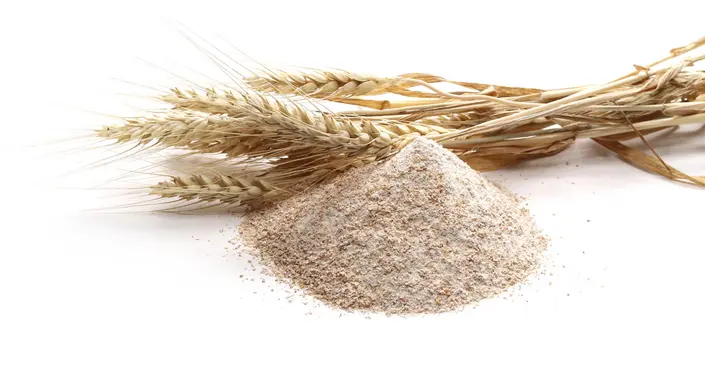
For individuals managing diabetes or simply aiming to maintain healthy blood sugar levels, the question often arises: Does wheat raise blood sugar? It’s a common concern, and the answer isn’t a simple yes or no. The truth lies in understanding the type of wheat you consume and how it’s processed.
Let’s dive into the specifics to uncover how different forms of wheat impact your glucose levels and empower you to make informed dietary choices.
- Does Wheat Really Raise Blood Sugar? Understanding the Nuance
- How Whole Wheat Actively Supports Blood Sugar Management
- Practical Guidelines for Incorporating Wheat into a Diabetic Diet
Does Wheat Really Raise Blood Sugar? Understanding the Nuance
The impact of wheat on your blood sugar levels hinges significantly on how the wheat grain is processed. The distinction between whole wheat and refined wheat is crucial for anyone monitoring their glucose.
Whole Wheat: Your Ally Against Blood Sugar Spikes
Whole wheat grains retain all their natural components during processing. This means you consume the entire grain, which offers substantial health benefits, especially for blood sugar regulation.
The Anatomy of Whole Wheat
- Wheat Germ: This is the reproductive part of the grain, packed with essential nutrients vital for the plant’s growth and beneficial for human health.
- Wheat Endosperm: Comprising roughly 80% of the grain, the endosperm is primarily starch-rich.
- Wheat Bran: The protective outer layer of the grain, the bran is an excellent source of dietary fiber.
When you consume whole wheat, you get all these parts, which work synergistically to provide comprehensive nutrition.
The Power of Fiber and Low Glycemic Index
Whole grains, including whole wheat, boast a relatively low glycemic index (GI). This means they cause a slower, more gradual rise in blood sugar compared to high-GI foods. Their high fiber content plays a significant role in this.
Dietary fiber is a type of carbohydrate that your body struggles to digest completely. This unique property leads to several benefits:
- Fiber slows down the digestive process, which in turn moderates the absorption of nutrients into your bloodstream. This prevents sudden, sharp spikes in blood sugar, helping to maintain stable levels.
- Additionally, fiber may enhance insulin sensitivity, making your body’s cells more responsive to insulin, the hormone that regulates blood sugar.
Beyond Fiber: Key Nutrients in Whole Wheat
Beyond its fiber content, whole wheat is a good source of various essential vitamins and minerals. These include B vitamins (such as B1, B2, B3, and folic acid), vitamin E, zinc, and magnesium. These nutrients contribute further to overall metabolic health and glucose control.
Therefore, if you are consuming whole wheat, the answer to “Does wheat raise blood sugar?” is generally no; it often helps stabilize it.
In contrast to whole wheat, refined wheat undergoes extensive processing. Manufacturers remove key components, significantly altering its nutritional profile and impact on blood sugar.
The Stripped-Down Truth of Refined Grains
During the refining process, the bran and germ are typically stripped away. This removal unfortunately eliminates over 60% of the grain’s original nutritional value. The lost nutrients include vital B vitamins, vitamin E, folic acid, minerals like calcium, phosphorus, copper, and zinc, and crucial dietary fiber.
What remains is primarily the endosperm, which is rich in starch but devoid of many beneficial components.
Why Refined Wheat Causes Rapid Glucose Spikes
With the bran and germ gone, refined wheat products lack the fiber that slows digestion. Consequently, your digestive system rapidly breaks down these starches into glucose. This quick conversion leads to a swift and often significant surge in blood sugar levels, making refined wheat a less-than-ideal choice for individuals managing diabetes.
So, when we talk about refined, non-whole wheat, the answer to “Does wheat raise blood sugar?” is a resounding yes.
How Whole Wheat Actively Supports Blood Sugar Management
Beyond simply not raising blood sugar, whole wheat products can actively contribute to preventing and managing diabetes. Their unique composition provides several mechanisms that benefit glucose control.
Consuming whole wheat products has been linked to a reduced risk of developing type 2 diabetes and can help regulate blood sugar levels in those already diagnosed.
Let’s explore some of the specific nutrients in whole wheat that play a crucial role:
Betaine: Fighting Inflammation Linked to Diabetes
Whole wheat contains betaine, a compound that may protect the body from chronic inflammation. Chronic inflammation is a known factor in the development and progression of various diseases, including type 2 diabetes.
By helping to mitigate inflammation, betaine contributes to a healthier metabolic environment.
Magnesium: A Key Player in Glucose and Insulin Function
Whole wheat serves as a good natural source of magnesium. This essential mineral is vital for numerous enzymatic reactions throughout the body. Importantly, some of these enzymes are directly involved in the body’s ability to produce glucose and efficiently utilize insulin.
Adequate magnesium intake is therefore crucial for optimal blood sugar regulation.
Folic Acid: Reducing Risks and Promoting Health
The wheat germ within whole grains is rich in folic acid. Folic acid plays a role in lowering levels of homocysteine in the body. Elevated homocysteine is a compound associated with an increased risk of developing certain conditions, including diabetes and heart disease.
By helping to regulate homocysteine, folic acid supports cardiovascular health and may reduce diabetes risk.
Practical Guidelines for Incorporating Wheat into a Diabetic Diet
If you’re managing diabetes or striving to keep your blood sugar in check, careful consideration of your wheat intake is essential. Here are some practical tips:
Prioritize Truly Whole Grains
Always opt for genuinely whole wheat products that have undergone minimal, natural processing. For instance, bread made from 100% stone-ground whole wheat typically has a low glycemic index, often below 55, making it a better choice.
Read labels carefully to ensure “whole wheat” is the primary ingredient and avoid products with added sugars or refined flours.
Consider Gluten Sensitivity with Type 1 Diabetes
If you have type 1 diabetes, it’s wise to be cautious with gluten-rich wheat products, even those made from whole wheat. Type 1 diabetes has a known association with celiac disease, an autoimmune condition where gluten intake can cause severe damage.
If you have type 1 diabetes, discuss gluten testing with your doctor.
Embrace a Balanced, Varied Diet
While whole grain products can certainly aid in diabetes management, they are not a complete solution on their own. For optimal blood sugar control and overall health, integrate whole wheat with a diverse array of other healthy components.
This includes ample sources of lean proteins, healthy fats, and a wide variety of fruits and vegetables.
Making these balanced choices helps you harness the benefits of whole wheat while ensuring comprehensive nutritional support.
Understanding the difference between whole and refined wheat is key to making informed dietary choices that support healthy blood sugar levels. By prioritizing whole, unprocessed wheat and incorporating it into a balanced diet, individuals can enjoy its benefits while actively managing diabetes.