


In our fast-paced world, stress and anxiety have become constant companions for many. You might often feel overwhelmed, but have you ever noticed that stress also impacts your breathing? It’s a common question: does stress cause shortness of breath? The answer is a resounding yes. Stress and anxiety frequently manifest as breathlessness, mimicking more serious conditions and often escalating your worry. However, this feeling is usually temporary, subsiding once the stressor passes.
Understanding this connection empowers you to manage these episodes more effectively. This article will explore why stress affects your breathing, how to recognize its signs, and provide practical techniques to regain control and find relief.
- Understanding the Link Between Stress and Shortness of Breath
- The “Fight or Flight” Response
- Identifying Stress-Induced Shortness of Breath
- Common Physical and Psychological Symptoms
- Effective Strategies for Managing Stress and Breathing
- 1. Practice Diaphragmatic Breathing
- 2. Master Calming Breathwork
- 3. Find a Comfortable Position
- 4. Engage in Mindful Relaxation
Understanding the Link Between Stress and Shortness of Breath
Experiencing shortness of breath when stressed can be incredibly unsettling. While it can feel like a serious heart or lung issue, this symptom is a common physiological response to stress and anxiety. Medical professionals often evaluate patients with breathlessness and rule out serious physical causes, pointing towards stress as a primary factor.
Stress triggers a cascade of physiological changes in your body. It elevates your heart rate and significantly increases adrenaline levels. These internal shifts contribute directly to the sensation of breathlessness, making you feel as though you cannot get enough air. Fortunately, this shortness of breath is typically a temporary, acute symptom that resolves as your stress levels decrease.
The “Fight or Flight” Response
The core connection between stress and shortness of breath lies in your body’s ancient “fight or flight” response. When you perceive a threat, your brain activates specific regions, preparing your body to either confront the danger or escape it. This primal reaction is a survival mechanism designed to defend you against external threats.
During this response, your body undergoes remarkable changes. Your heart rate quickens, pumping blood more rapidly to vital organs and, crucially, to your muscles. To power this increased muscle activity, your body prioritizes oxygen delivery to your limbs. This diversion of oxygen can leave other parts of your body, including your lungs, feeling short-changed, causing the sensation of being out of breath. This response is also common in anxiety and panic attacks, which stress often exacerbates.
Identifying Stress-Induced Shortness of Breath
Distinguishing between stress-induced shortness of breath and a more serious medical condition can be challenging, especially when symptoms feel intense. It’s crucial to observe other accompanying physical and psychological symptoms. These additional signs can help you determine if stress is the underlying cause of your breathing difficulties.
Common Physical and Psychological Symptoms
When stress causes shortness of breath, you might also experience several other indicators. These often occur alongside the feeling of breathlessness and provide valuable clues:
- Dry mouth
- Increased heart rate
- Dizziness or lightheadedness
- Sweating and chills
- Nausea
- Muscle tension or stiffness
- Trembling or shaking
- Rapid breathing (hyperventilation)
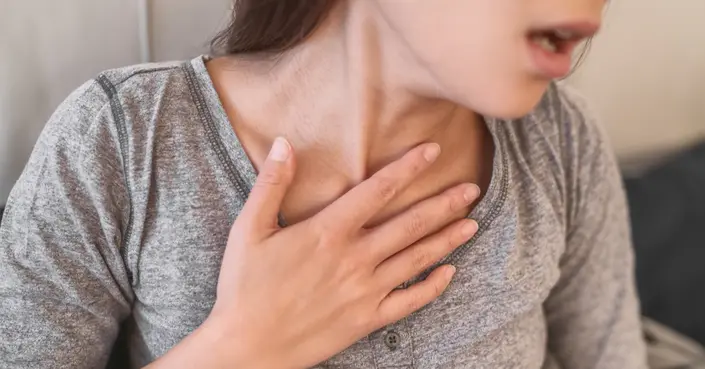
- A feeling of choking or tightness in the throat
- Disturbing thoughts or memories
- Difficulty concentrating and memory problems
- Confusion
- Difficulty speaking
- A sense of impending doom or dread
Effective Strategies for Managing Stress and Breathing
If you experience shortness of breath due to stress or during a panic attack, you can employ several simple techniques to alleviate the temporary breathing crisis. These strategies focus on calming your nervous system and regulating your breath.
1. Practice Diaphragmatic Breathing
This technique, often called belly breathing, helps you harness your diaphragm for more efficient respiration. Gently and slowly inhale a normal amount of air through your nose, focusing on filling the lower part of your lungs first. As you inhale, your stomach should expand while your chest remains relatively still. Exhale slowly and easily.
Continue this gentle breathing pattern, concentrating on expanding your abdomen with each inhale. This method helps slow your breathing and promotes relaxation.
2. Master Calming Breathwork
To deepen your relaxation, try this calming breath technique. Take a long, slow breath through your nose, filling the lower part of your lungs, then the upper part. Hold your breath for about three seconds. Next, exhale slowly through pursed lips, keeping your mouth mostly closed. As you exhale, consciously relax your facial muscles, jaw, shoulders, and stomach.
3. Find a Comfortable Position
Sometimes, simply changing your posture can make a difference. Sit comfortably, perhaps in a quiet space. Take a long, deep breath and exhale slowly. As you breathe, silently repeat calming words or affirmations to yourself. This combination of physical comfort and mental soothing can help break the cycle of anxiety.
4. Engage in Mindful Relaxation
Close your eyes and breathe naturally. With each exhale, count down slowly. Focus intently on relaxing different muscle groups throughout your body, releasing any tension you hold. Open your eyes and repeat the process until you feel the muscle tension or stiffness subside and your breathing returns to a normal, steady rhythm.
Conclusion: Understanding that stress can indeed cause shortness of breath is the first step toward managing this unsettling symptom. By recognizing the physiological connection and practicing simple, yet effective, breathing and relaxation techniques, you can regain control and navigate stressful moments with greater calm. Remember, while these techniques offer immediate relief, persistent or worsening symptoms warrant further medical advice to rule out other underlying conditions.